Line Probe Assay (LPA) for Tuberculosis -Introduction, Principle, Test Requirements, Procedure, Result-Interpretation, and Keynotes
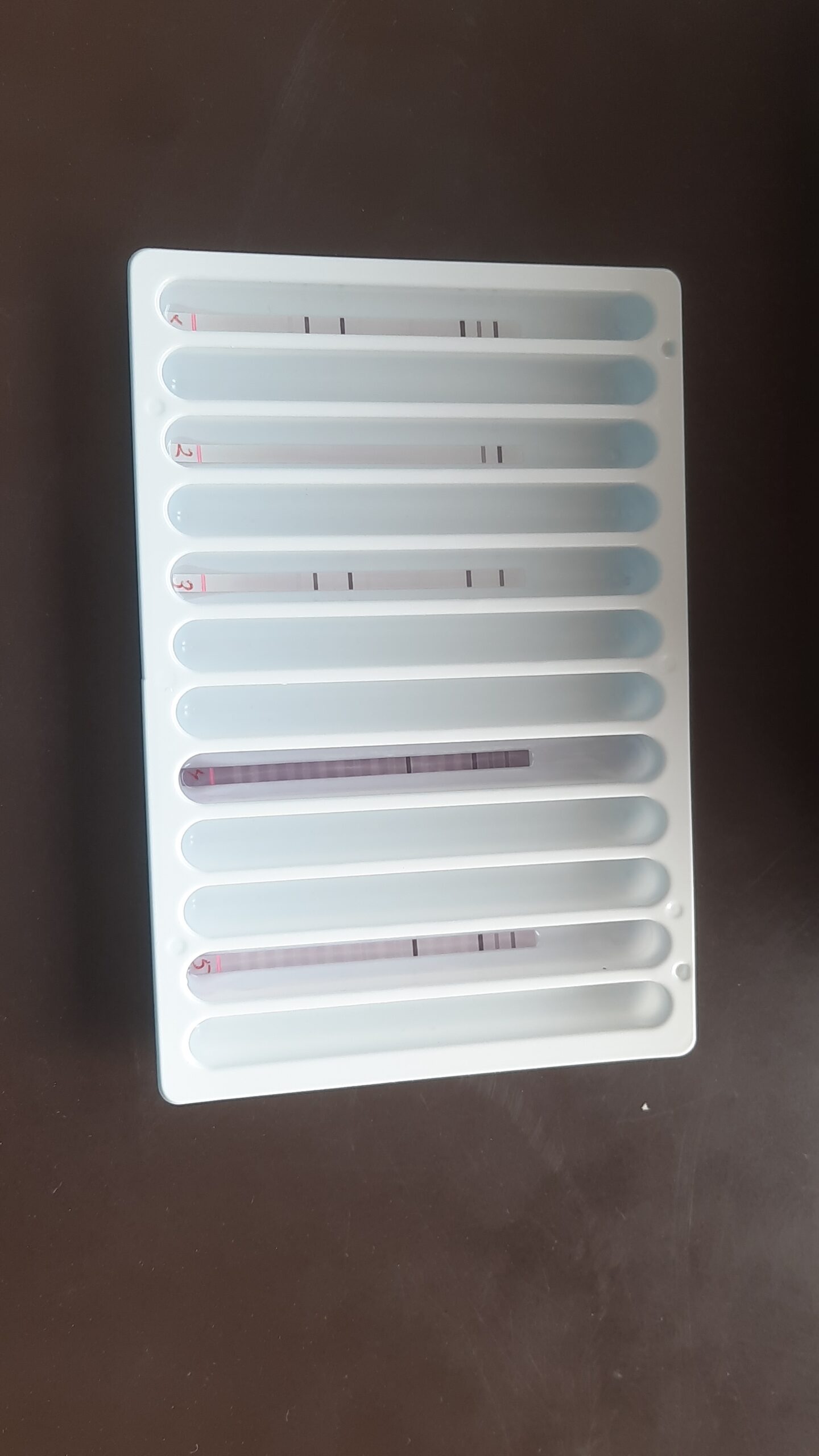
Line Probe Assay (LPA) for Tuberculosis -Introduction, Principle, Test Requirements, Procedure, Result-Interpretation, and Keyno

Introduction The Line Probe Assay (LPA) is a rapid molecular diagnostic test used to detect Mycobacterium tuberculosis complex (MTBC) and its resistance to anti-tuberculosis drugs. It identifies specific mutations in the genes associated with drug resistance by hybridizing amplified DNA onto membrane strips.  The LPA is a …

Read more

VITEK MS Prime: Introduction, Principle, Components, Procedure, Result -Interpretation, Application, and Keynotes

VITEK MS Prime Introduction, Principle, Components, Procedure, Result -Interpretation, Application, and Keynotes

Introduction The VITEK MS PRIME is a benchtop, high-throughput automated identification system that works on the principle of Matrix-Assisted Laser Desorption Ionization-Time of Flight (MALDI-TOF) mass spectrometry. It is applicable to enhance laboratory workflow for the rapid identification of microbes like bacteria, yeasts, molds, and mycobacteria.  Principle …

Read more

Rothia kristinae: Introduction, Pathogenicity, Lab Diagnosis, Treatment, Prevention, and Keynotes

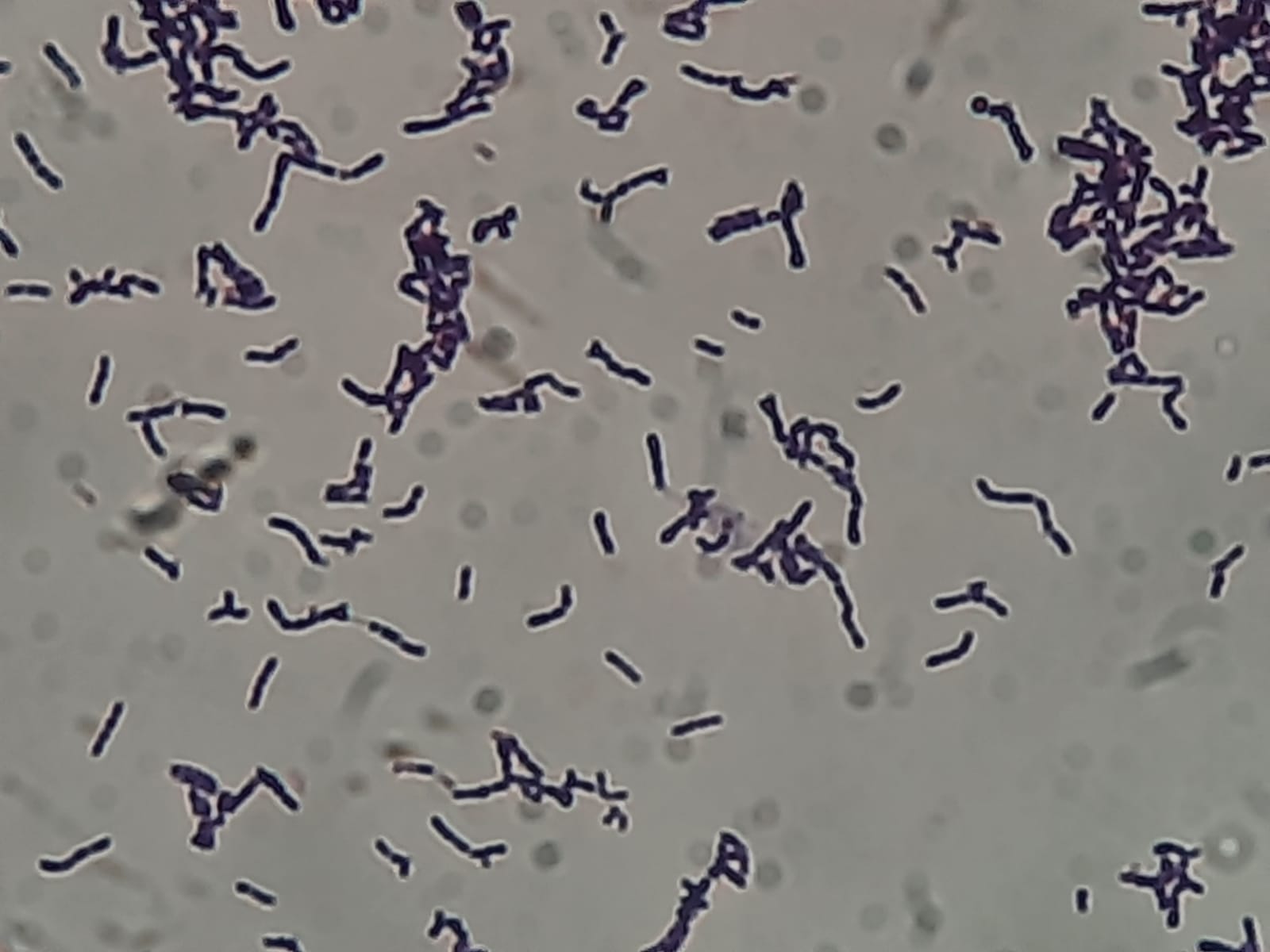
R. kristinae in Gram-stained culture microscopy shows irregular, pleomorphic Gram-positive bacilli, ranging from short rods to e

Introduction Pathogenicity While typically considered a low-grade commensal, it causes serious infections primarily in immunocompromised patients or those with indwelling medical devices.  Lab Diagnosis Treatment There are no official clinical breakpoints, so treatment is often guided by expert consultation and raw Minimum Inhibitory Concentration (MIC) values.  Prevention Keynotes …

Read more

Serpentine Cord: Introdction, Clinical Significance, and Keynotes

Serpentine cord or Cord factor or Trehalose dimycolate,TDM of Mycobacterium tuberculosis complex (MTBC) in Ziehl-Neelsen Staining of modified Middlebrook 7H9 Broth at a magnification of 1600X

Introduction Clinical Significance Keynotes Further Readings

Lactococcus garvieae: Introduction, Pathogenicity, Lab Diagnosis, Treatment, Prevention, and Keynotes

Gram positive cocci of Lactococcus garvieae in Gram staining of repeated culture at a magnification of 4000X

Introduction Lactococcus garvieae is a Gram-positive, catalase-negative, non-spore-forming coccus, typically arranged in pairs or short chains. It belongs to the lactic acid bacteria group and is well known as a major pathogen in fish (lactococcosis). In humans, it is an emerging opportunistic pathogen, increasingly recognized …

Read more

Isolation and Preliminary Identification of Bacterial and Yeast Colonies on Sabouraud Dextrose Agar Using the Wet Mount Technique

Isolation and Preliminary Identification of Bacterial and Yeast Colonies on Sabouraud Dextrose Agar Using the Wet Mount Technique

Introduction Sabouraud Dextrose Agar (SDA) is a commonly used culture medium in clinical mycology laboratories for the isolation of fungi, particularly yeasts and molds. Due to its acidic pH and high dextrose concentration, SDA favors fungal growth; however, bacteria and yeasts may also grow, especially …

Read more

Streptococcus agalactiae (GBS): Introduction, Pathogenicity, Lab Diagnosis, Treatment, and Keynotes

Gram-positive cocci in chains Streptococcus agalactiae (GBS)

Introduction Streptococcus agalactiae, also known as Group B Streptococcus (GBS), is a Gram-positive, beta-hemolytic coccus arranged in chains. It is a major cause of neonatal sepsis, meningitis, and infections in pregnant women, and an emerging pathogen in immunocompromised adults. GBS commonly colonizes the gastrointestinal and …

Read more

Bio-Incubator: Introduction, Application, and Keynotes

This Bio-Incubator provides a stable environment for the growth and incubation of microbial cultures, enzymatic reactions, and biological assays. The display screen shows the process status as “FINISHED” with a temperature reading of 27.2°C, indicating the incubation cycle is complete. It is commonly used in clinical, molecular, and research laboratories for applications such as culture incubation, spore testing, and enzyme activation.

Introduction A Bio-Incubator is a laboratory device designed to provide a controlled environment of temperature, humidity, and time for the growth and maintenance of microbial cultures, cell lines, and biological reactions. It is an essential tool in microbiology, molecular biology, biotechnology, and clinical diagnostics.By maintaining …

Read more