Staphylococcus aureus MCQs Quiz: A Set of Questions, Options, and Answers

Introduction Here is a Staphylococcus aureus MCQs Quiz Set with questions, options, and answers. Staphylococcus aureus MCQs Quiz 1. What type of organism is Staphylococcus aureus? A) VirusB) Gram-positive bacteriumC) Gram-negative bacteriumD) Fungus 2. How does Staphylococcus aureus appear under Gram staining? A) Gram-negative rodsB) …

Read more

Klebsiella pneumoniae MCQs Quiz: A Set of Questions, Options, and Answers

Introduction Here is a Klebsiella pneumoniae MCQs Quiz Set with questions, options, and answers. Klebsiella pneumoniae MCQs Quiz 1. What type of organism is Klebsiella pneumoniae? A) VirusB) Gram-positive bacteriumC) Gram-negative bacteriumD) Fungus 2. What is the typical shape of Klebsiella pneumoniae? A) CocciB) BacilliC) …

Read more

Enterococcus gallinarum – Introduction, Morphology, Pathogenicity, Lab Diagnosis, Treatment, Prevention, and Keynotes
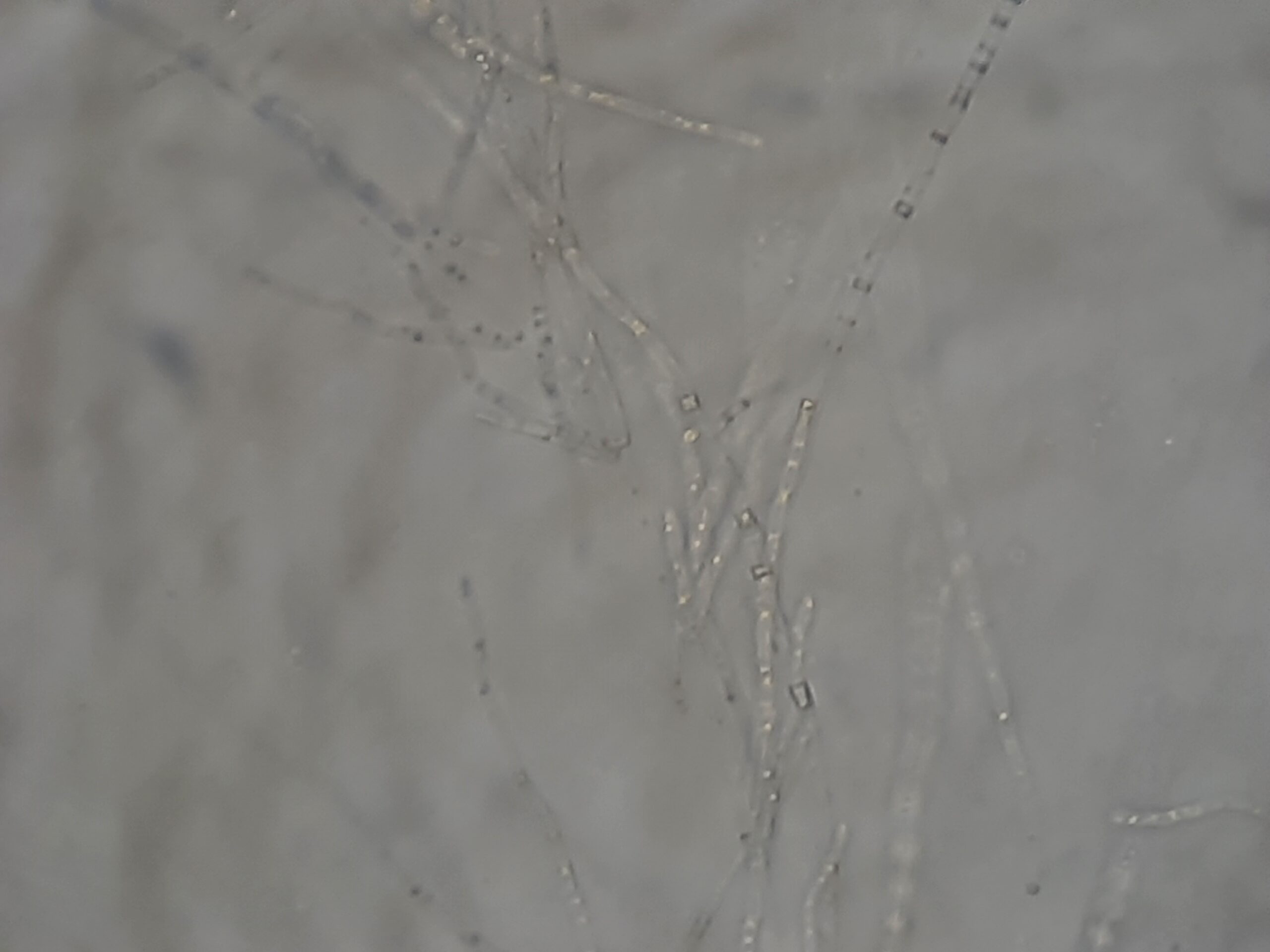
E. gallunarum in Gram stain of culture showing Gram positive cocci in pairs

Introduction Enterococcus gallinarum is a Gram-positive, facultatively anaerobic bacterium. It naturally inhabits the intestines of humans and animals. This bacterium exhibits intrinsic resistance to vancomycin. It can cause infections in immunocompromised patients. It is associated with urinary tract infections and bacteremia. Proper laboratory techniques are …

Read more

Cedecea davisae- Introduction, Morphology, Pathogenicity, Lab Diagnosis, Treatment, Prevention, and Keynotes

Cedecea in wet mount of culture microscopy

Introduction Cedecea davisae is a rare, opportunistic pathogen in the Enterobacteriaceae family. It was first isolated from a human wound. This bacterium can cause infections in immunocompromised individuals. It exhibits resistance to several antibiotics. It is often misidentified due to its rarity. However, proper laboratory …

Read more

Prevotella-Introduction, Morphology, Pathogenicity, Lab Diagnosis, Treatment, Prevention, and Keynotes

Introduction Prevotella is a genus of Gram-negative, anaerobic bacteria commonly found in the human oral and gut microbiota. These bacteria have been the focus of numerous studies due to their association with both health and disease in humans. Here’s a brief introduction: Morphology The morphology …

Read more

Moraxella catarrhalis: Introduction, Morphology, Pathogenicity, Lab Diagnosis, Treatment, Prevention, and Keynotes

Gram negative cocci in pairs (diplococci) of Moraxella catarrhalis in Gram staining of culture microscopy at a magnification

Introduction Moraxella catarrhalis is a Gram-negative, aerobic bacterium that belongs to the Moraxellaceae family. It is a non-motile, non-spore-forming bacterium, and it is typically found in the upper respiratory tract of humans as a commensal organism. Though generally considered a commensal, M. catarrhalis can also …

Read more

Streptococcus pneumoniae: Introduction, Morphology, Pathogenicity, Lab Diagnosis, Treatment, Prevention, and Keynotes

Optochin sensitive Streptococcus pneumoniae

Introduction Streptococcus pneumoniae, commonly known as pneumococcus, is a bacterium that can cause a wide range of infections in humans. It is one of the most significant pathogens responsible for various diseases, particularly pneumonia, meningitis, and otitis media (middle ear infections). Characteristics: Transmission: Diseases caused …

Read more

Candida parapsilosis: Introduction, Morphology, Pathogenicity, Lab Diagnosis, Treatment, Prevention, and Keynotes

Candida parapsilosis growth on Candida CHROMagar

Introduction Candida parapsilosis is a species of yeast that belongs to the Candida genus, which includes various fungi commonly found in the environment and on the human body. Candida species are part of the normal human microbiota, residing on the skin, mucous membranes, and gastrointestinal …

Read more