Nail Clippings KOH Mount: Introduction and Principle, Procedure, Result-Interpretation, Clinical Significance, and Keynotes

Hyaline septate fungal hyphae in KOH mount of nail clipping at a magnification of 1000x with 8x optical zoom

Introduction and Principle A nail clipping KOH (Potassium Hydroxide) mount is the fastest and most cost-effective diagnostic test used to detect fungal elements in nails. It serves as the primary screening tool for confirming onychomycosis (fungal nail infection) before starting long-term oral antifungal therapy The …

Read more

Pseudomonas putida: Introduction, Morphology, Pathogenicity, Lab Diagnosis, Treatment, and Prevention

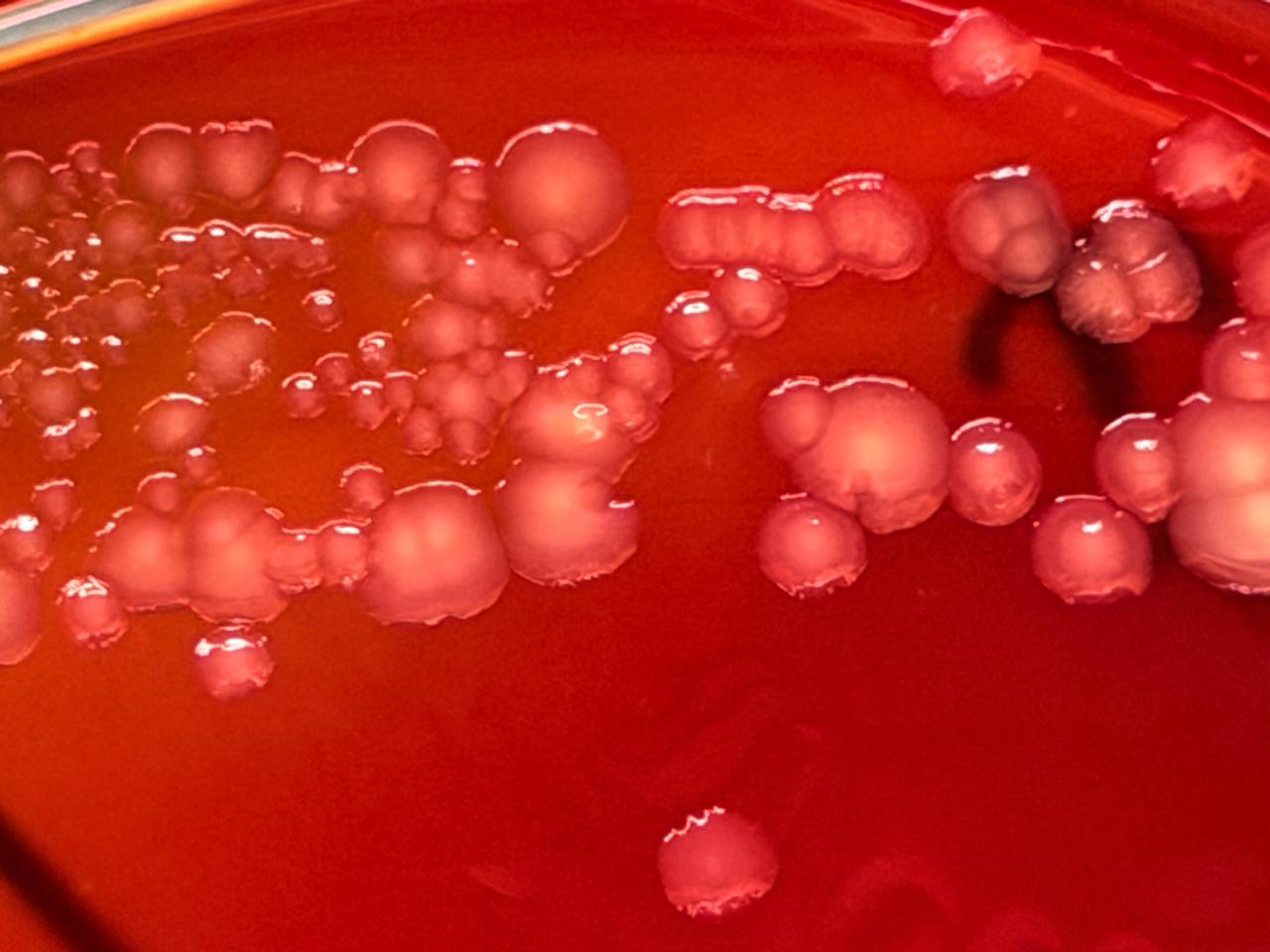
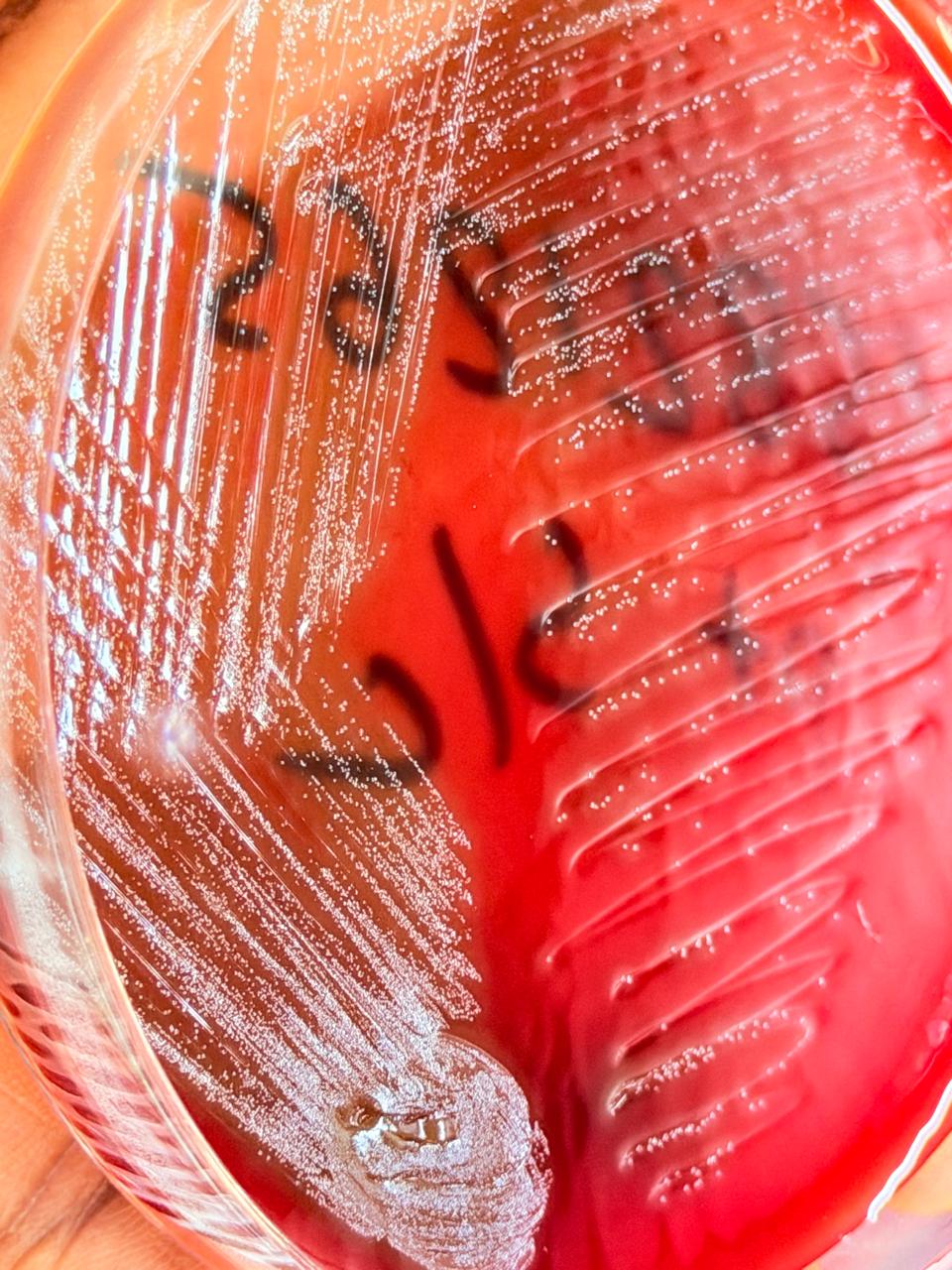
Pseudomonas putida colony morphology on blood agar after 48 hours of incubation

Introduction Pseudomonas putida is a versatile, Gram-negative, rod-shaped bacterium primarily known for its bioremediation capabilities but recognized as a rare opportunistic human pathogen. Found globally in soil, water, and plant roots, it thrives in diverse environments due to its unique metabolic endurance. Morphology and Characteristics …

Read more

Geotrichum klebahnii: Introduction, Morphology, Pathogenicity, Lab Diagnosis, Treatment, and Prevention

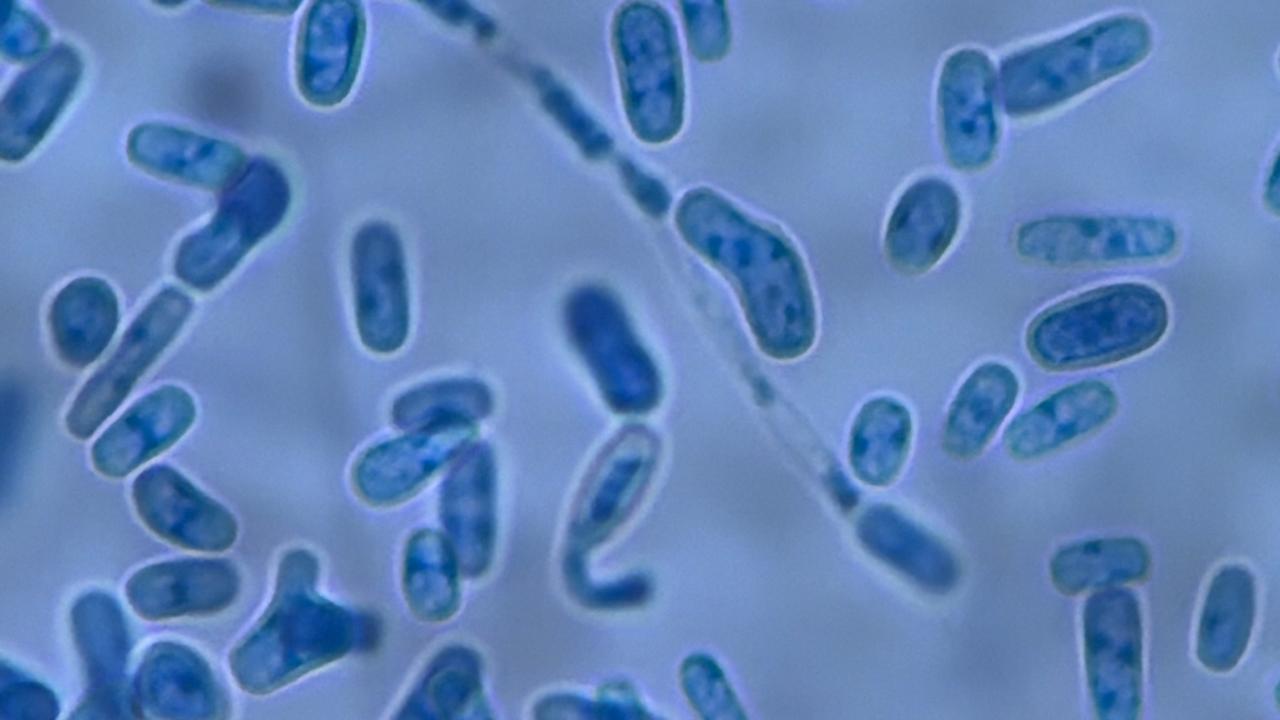
Lacking blastoconidia (budding yeast cells), distinguishing Geotrichum klebahnii from Trichosporon

Introduction Geotrichum klebahnii is a rare, opportunistic, yeast-like fungus that is found globally in environments like soil, dairy products, and organic waste, but can act as an emerging pathogen in humans. Along with Geotrichum candidum, it is one of the only species within its genus …

Read more

Serratia marcescens: Introduction, Morphology, Pathogenicity, Lab Diagnosis, Treatment, Prevention, and Keynotes

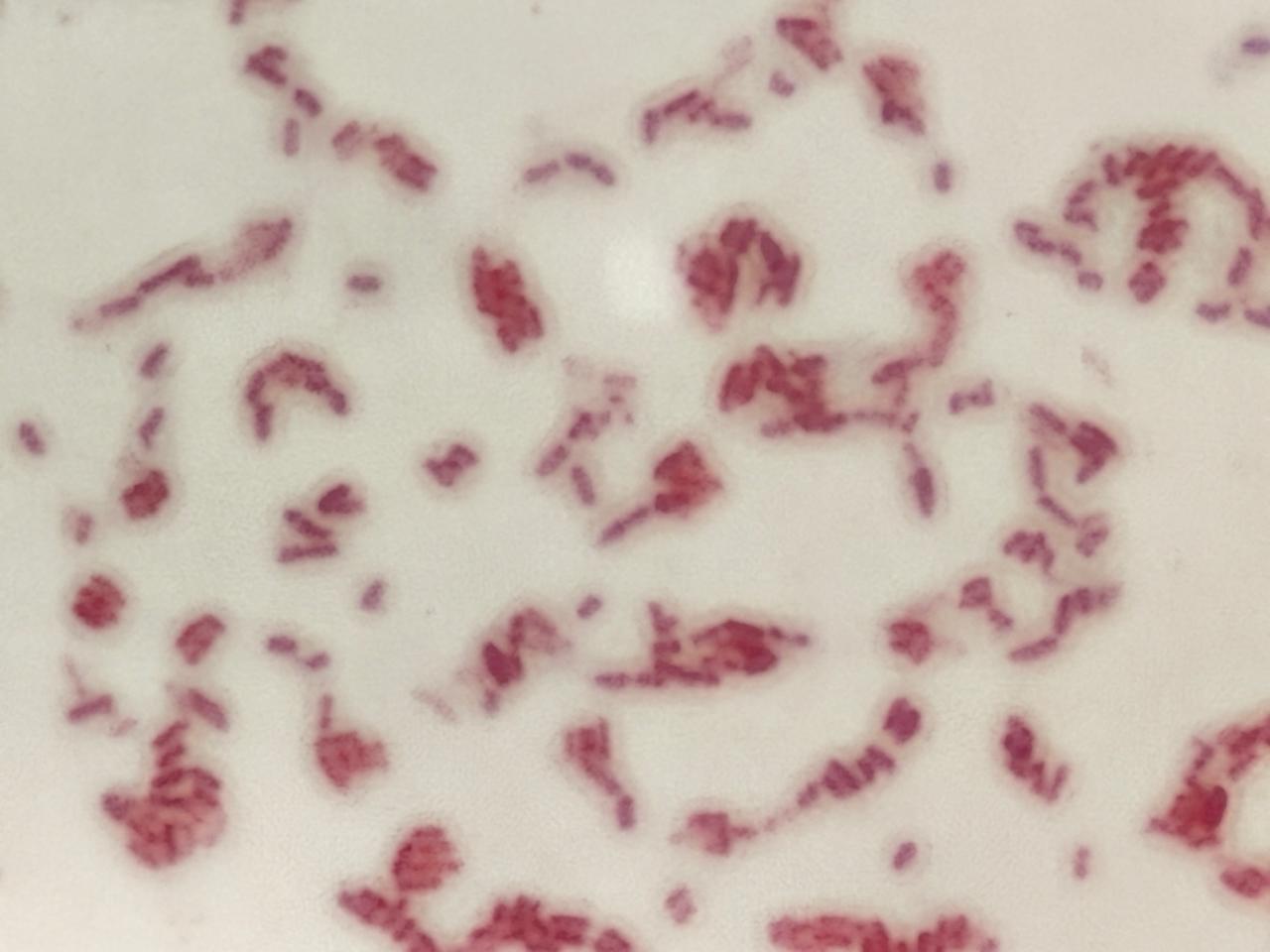
Gram-negative rods(GNRs) of Serratia marcescens at a magnification of 1000x with 8x optical zoom

Introduction Morphology Pathogenicity Lab Diagnosis Treatment Prevention Keynotes Further Readings

Streptococcus mitis: Introduction, Morphology, Pathogenicity, Lab Diagnosis, Treatment, Prevention, and Keynotes

Streptococcus mitis colony morphology on blood agar

Introduction Streptococcus mitis is a Gram-positive, alpha-hemolytic bacterium commonly found as a harmless commensal in the human oral cavity, but it can act as an opportunistic pathogen causing severe infections like infective endocarditis. Morphology Pathogenicity Lab Diagnosis Treatment Prevention Keynotes Further Reading

Anemometer: Introduction, Principle, Handling Procedure, Application, and Keynotes

A portable digital vane anemometer used for measuring air velocity across multiple measurement units

Introduction Principle Handling Procedure Application Keynotes Further Readings

TB-LAMP: Introduction, Principle, Procedure, Result Interpretation, and Keynotes

TB-LAMP Flowchart

Introduction TB-LAMP (Tuberculosis Loop-Mediated Isothermal Amplification) is a manual, rapid molecular diagnostic test endorsed by the World Health Organization (WHO) to detect the Mycobacterium tuberculosis complex (MTBC) in sputum samples. It serves as a highly sensitive alternative to traditional sputum smear microscopy, particularly optimized for …

Read more

NALC -NAOH Preparation for Tuberculosis Lab: Introduction, Procedure, Application, and Keynotes

NALC -NAOH Preparation for Tuberculosis Lab- Introduction, Procedure, Application, and Keynotes

Introduction The NALC-NaOH (N-acetyl-L-cysteine–sodium hydroxide) method is the gold standard for processing clinical specimens in mycobacteriology laboratories. It prepares contaminated samples (like sputum) for successful culture on liquid media (such as the BD BACTEC™ MGIT™ 960) and solid media. Clinical samples from non-sterile sites naturally …

Read more