Mycobacterium fortuitum : Introduction, Morphology, Pathogenicity, Lab Diagnosis, Treatment, Prevention, and Keynotes

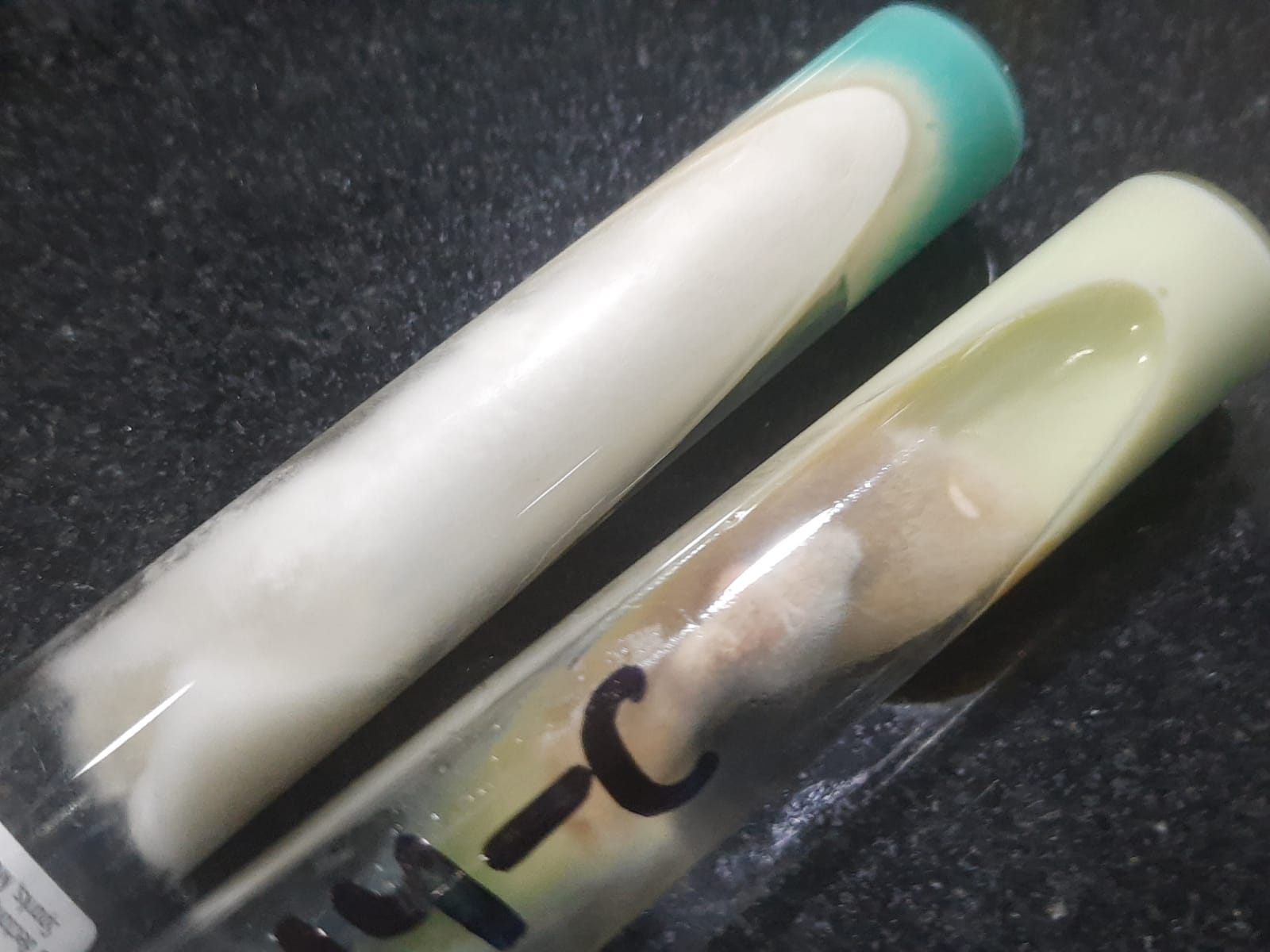
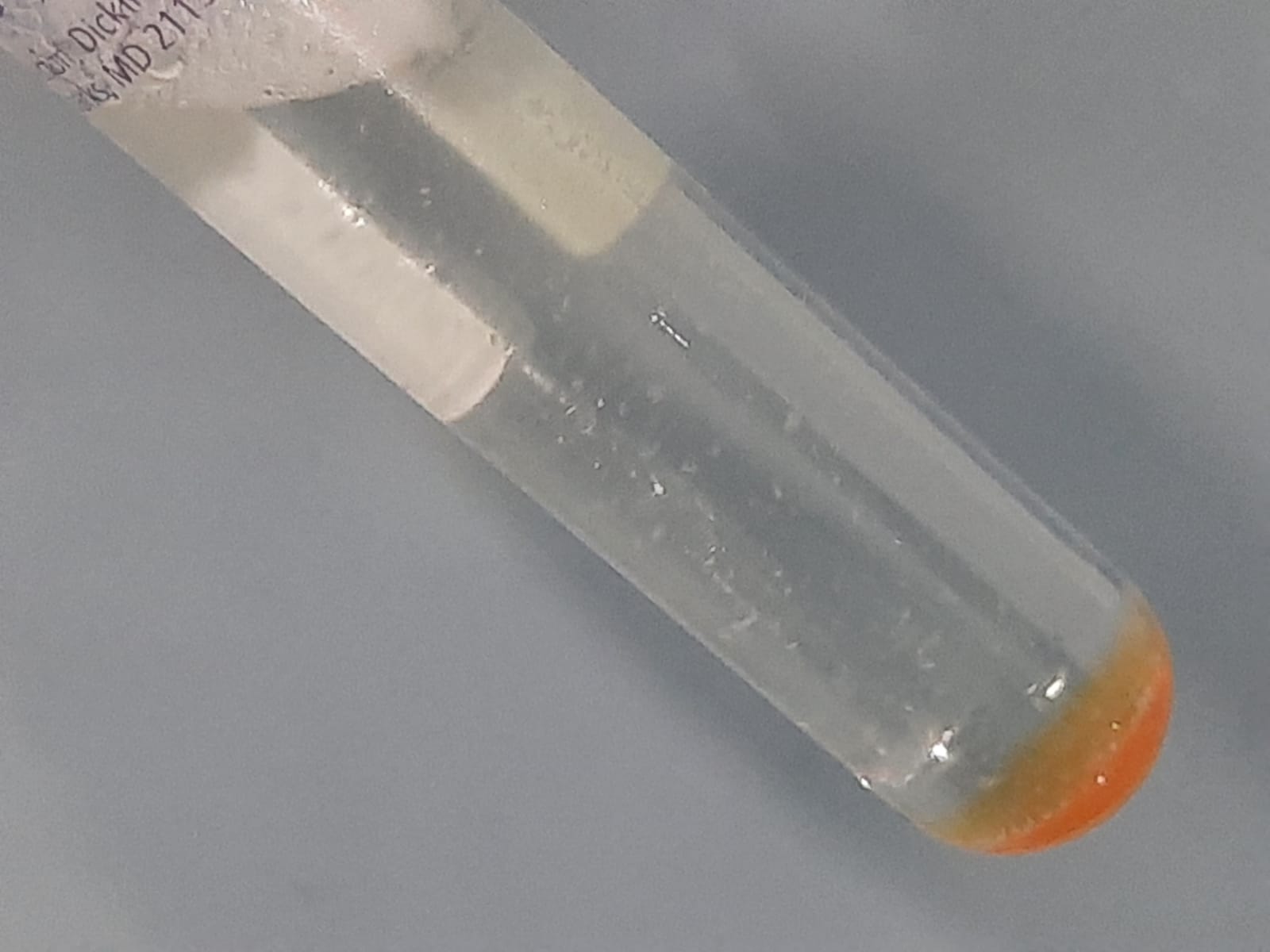
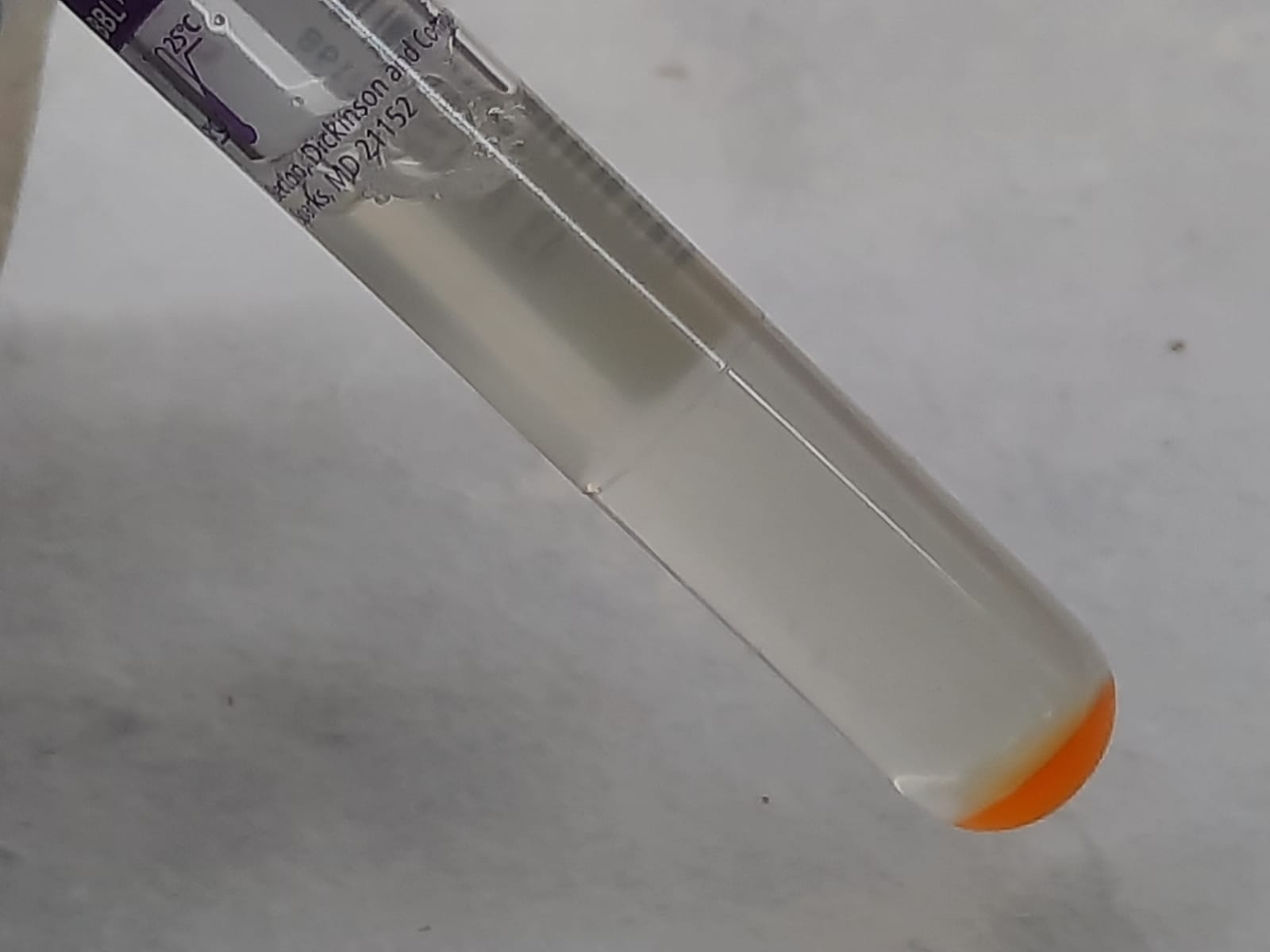
Mycobacterium fortuitum growth on modified Middlebrook 7H9 broth with PANTA supplement after 3 days of incubation

Introduction Mycobacterium fortuitum is a rapidly growing, nontuberculous mycobacterium (NTM). It is found ubiquitously in the environment, primarily associated with skin, soft tissue, and post-surgical wound infections. As an opportunistic pathogen that is known for its ability to grow within 7 days, it often causes infections …

Read more

VITEK MS Prime: Introduction, Principle, Components, Procedure, Result -Interpretation, Application, and Keynotes

VITEK MS Prime Introduction, Principle, Components, Procedure, Result -Interpretation, Application, and Keynotes

Introduction The VITEK MS PRIME is a benchtop, high-throughput automated identification system that works on the principle of Matrix-Assisted Laser Desorption Ionization-Time of Flight (MALDI-TOF) mass spectrometry. It is applicable to enhance laboratory workflow for the rapid identification of microbes like bacteria, yeasts, molds, and mycobacteria.  Principle …

Read more

Rothia kristinae: Introduction, Pathogenicity, Lab Diagnosis, Treatment, Prevention, and Keynotes

R. kristinae in Gram-stained culture microscopy shows irregular, pleomorphic Gram-positive bacilli, ranging from short rods to e

Introduction Pathogenicity While typically considered a low-grade commensal, it causes serious infections primarily in immunocompromised patients or those with indwelling medical devices.  Lab Diagnosis Treatment There are no official clinical breakpoints, so treatment is often guided by expert consultation and raw Minimum Inhibitory Concentration (MIC) values.  Prevention Keynotes …

Read more

Lactococcus garvieae: Introduction, Pathogenicity, Lab Diagnosis, Treatment, Prevention, and Keynotes

Gram positive cocci of Lactococcus garvieae in Gram staining of repeated culture at a magnification of 4000X

Introduction Lactococcus garvieae is a Gram-positive, catalase-negative, non-spore-forming coccus, typically arranged in pairs or short chains. It belongs to the lactic acid bacteria group and is well known as a major pathogen in fish (lactococcosis). In humans, it is an emerging opportunistic pathogen, increasingly recognized …

Read more

Acinetobacter baumannii-Introduction, Morphology, Pathogenicity, Lab Diagnosis, Treatment, Prevention, and Keynotes

Acinetobacter baumannii in Gram staining of sputum

Introduction Acinetobacter baumannii is a Gram-negative, non-fermenting, aerobic coccobacillus. It is an opportunistic pathogen increasingly associated with nosocomial infections, particularly in critically ill or immunocompromised patients. Notorious for its antibiotic resistance, it has become a major global health concern, particularly in ICU settings. Morphology Pathogenicity …

Read more

Small Colony Variants: Introduction, Morphology, Pathogenicity, Lab Diagnosis, Treatment, Prevention, and Keynotes

Small Colony Variants on CLED agar

Introduction Small Colony Variants (SCVs) are a subpopulation of bacteria that grow slowly and form unusually small colonies on culture media. They are most commonly described in Staphylococcus aureus, but also occur in Pseudomonas aeruginosa, Escherichia coli, and Listeria monocytogenes. SCVs are associated with chronic, …

Read more

Proteus hauseri-Introduction, Morphology, Pathogenicity, Lab Diagnosis, Treatment, Prevention, and Keynotes

Proteus hauseri colony morphology on MacConkey agar of urine culture

Introduction Proteus hauseri is a Gram-negative, facultatively anaerobic bacillus in the Enterobacteriaceae family. It is closely related to other Proteus species and commonly found in soil, water, and the human gastrointestinal tract. Though less prevalent than P. mirabilis, P. hauseri can cause opportunistic infections—especially in …

Read more

Pantoea agglomerans-Introduction, Morphology, Pathogenicity, Lab Diagnosis, Treatment, Prevention, and Keynote

Pantoea agglomerans in Gram staining of culture

Introduction Pantoea agglomerans, a Gram-negative, facultative anaerobic bacterium, belongs to the Enterobacteriaceae family. Moreover, it is commonly found in soil, plants, and water. Interestingly, it plays a dual role as a plant symbiont and an opportunistic human pathogen. Additionally, P. agglomerans colonizes plant tissues and …

Read more