Mycobacterium tuberculosis complex (MTBC): Introduction, Morphology, Pathogenicity, Lab Diagnosis, Treatment, Prevention, and Keynotes
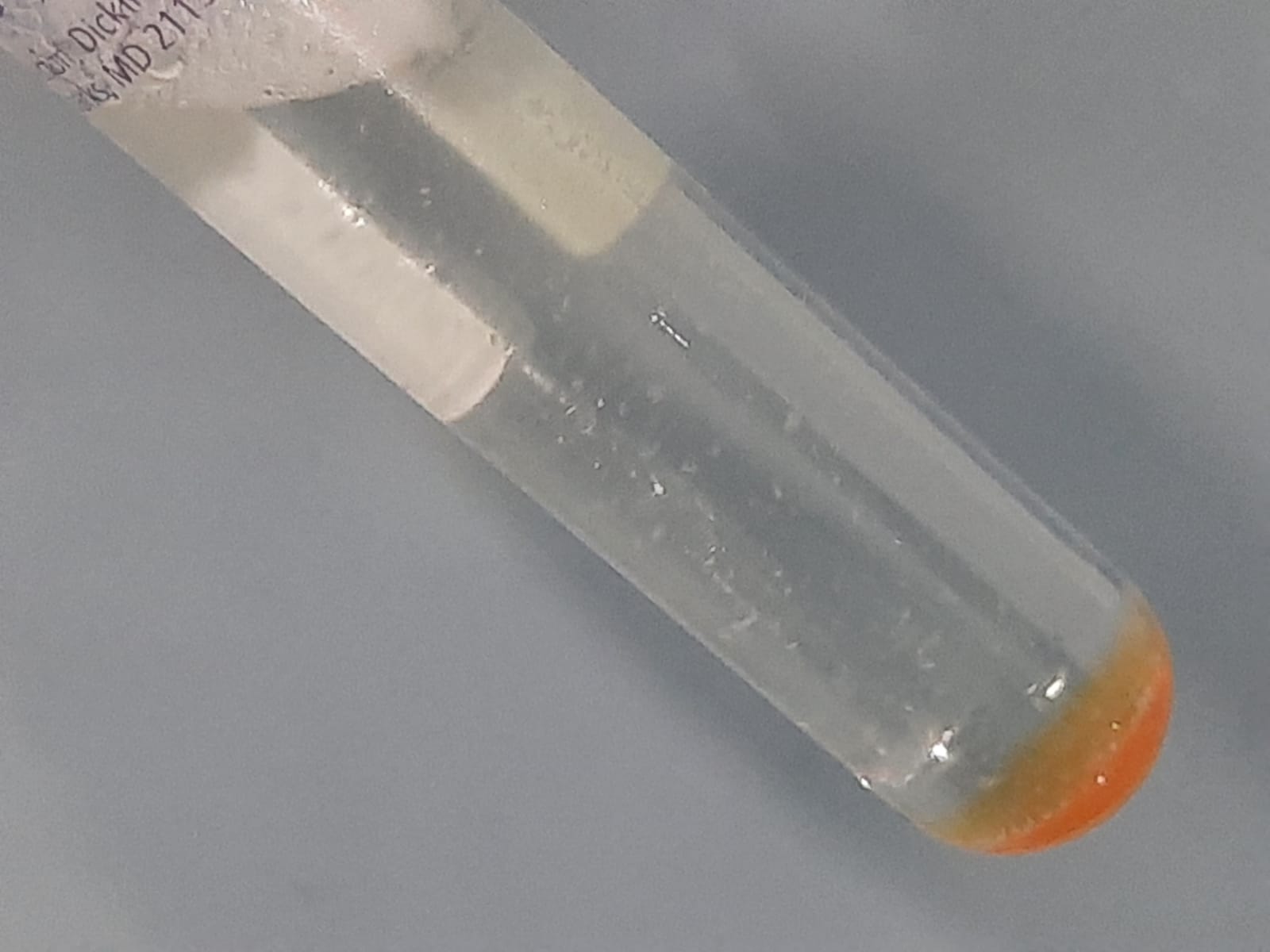
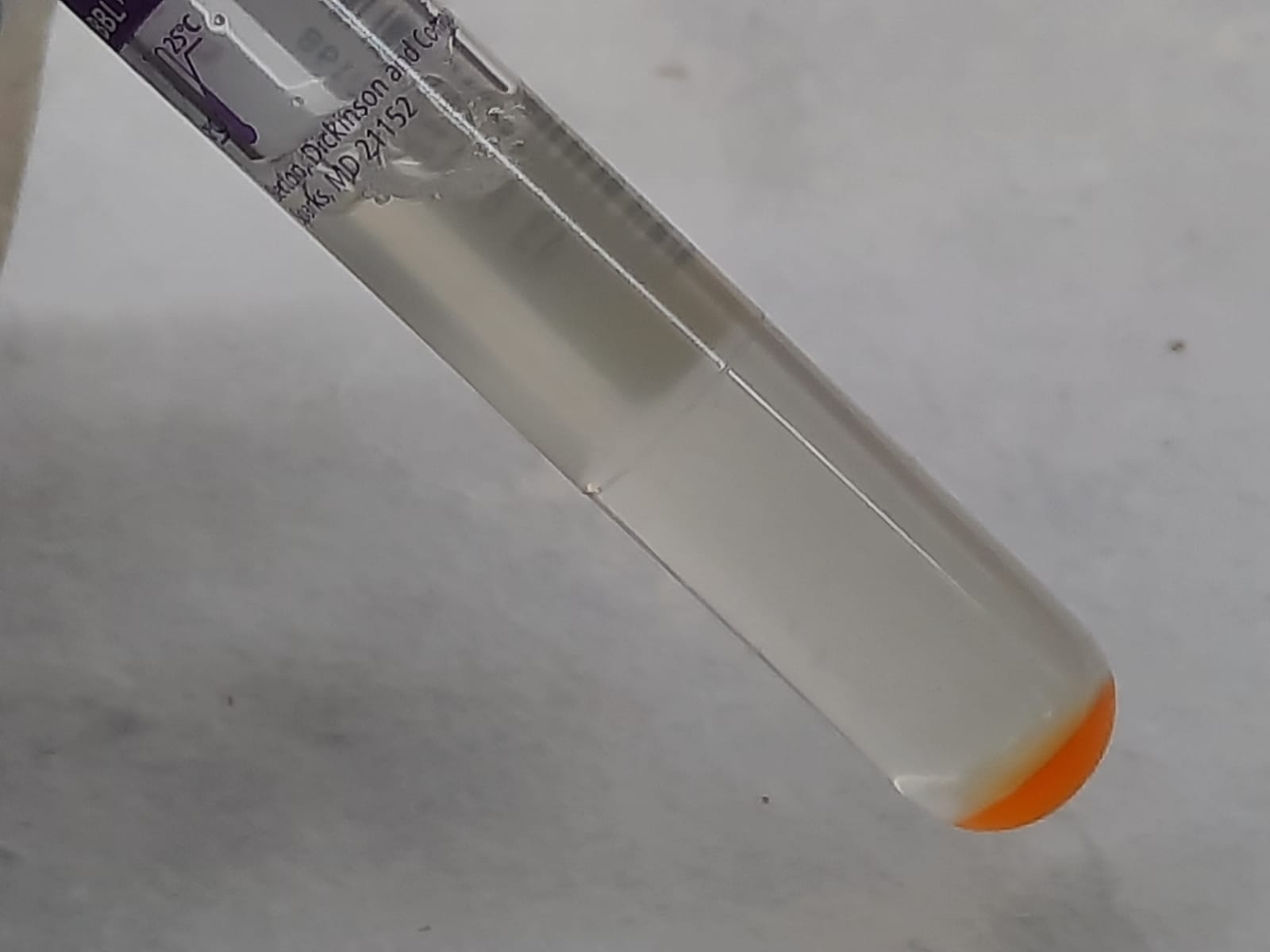
Mycobacterium tuberculosis complex grow on MGIT having modified Middlebrook 7H9 broth with PANTA supplement after 13 days of incubation

Introduction The Mycobacterium tuberculosis complex (MTBC) is a group of genetically related bacterial species that cause tuberculosis (TB) in humans and various animals. While Mycobacterium tuberculosis (sensu stricto) is the primary cause of human tuberculosis, the complex includes several other species with distinct host preferences and geographic distributions.  Morphology …
Read more

Mycobacterium fortuitum : Introduction, Morphology, Pathogenicity, Lab Diagnosis, Treatment, Prevention, and Keynotes

Mycobacterium fortuitum growth on modified Middlebrook 7H9 broth with PANTA supplement after 3 days of incubation

Introduction Mycobacterium fortuitum is a rapidly growing, nontuberculous mycobacterium (NTM). It is found ubiquitously in the environment, primarily associated with skin, soft tissue, and post-surgical wound infections. As an opportunistic pathogen that is known for its ability to grow within 7 days, it often causes infections …

Read more

IGRA (Interferon-Gamma Release Assay) Test-Introduction, Principle, Test Requirement, Procedure, Result-Interpretation, and Keynotes

Introduction An Interferon-Gamma Release Assay (IGRA) is a modern blood test used to identify if a person is infected with Mycobacterium tuberculosis. It is primarily used to detect latent TB infection (LTBI) and to aid in the diagnosis of active tuberculosis disease.  Principle The test is based on the fact …

Read more

Line Probe Assay (LPA) for Tuberculosis -Introduction, Principle, Test Requirements, Procedure, Result-Interpretation, and Keynotes

Introduction The Line Probe Assay (LPA) is a rapid molecular diagnostic test used to detect Mycobacterium tuberculosis complex (MTBC) and its resistance to anti-tuberculosis drugs. It identifies specific mutations in the genes associated with drug resistance by hybridizing amplified DNA onto membrane strips.  The LPA is a …

Read more

Molecular Typing of Fungi: Introduction, Common Molecular Typing Method, and Application

Various Candida species growth on HiCrome Candida Differential Agar

Introduction Molecular typing of fungi uses DNA-based methods to identify species and differentiate strains for clinical, epidemiological, and environmental studies. Key techniques include Internal Transcribed Spacer (ITS) sequencing (the standard for identification), Multilocus Sequence Typing (MLST), restriction fragment length polymorphism (RFLP), and Whole Genome Sequencing (WGS). These methods are crucial for tracking …

Read more

HiCrome Candida Differential Agar: Introduction, Principle, Test Requirement, Procedure, Result-Interpretation, and Keynotes

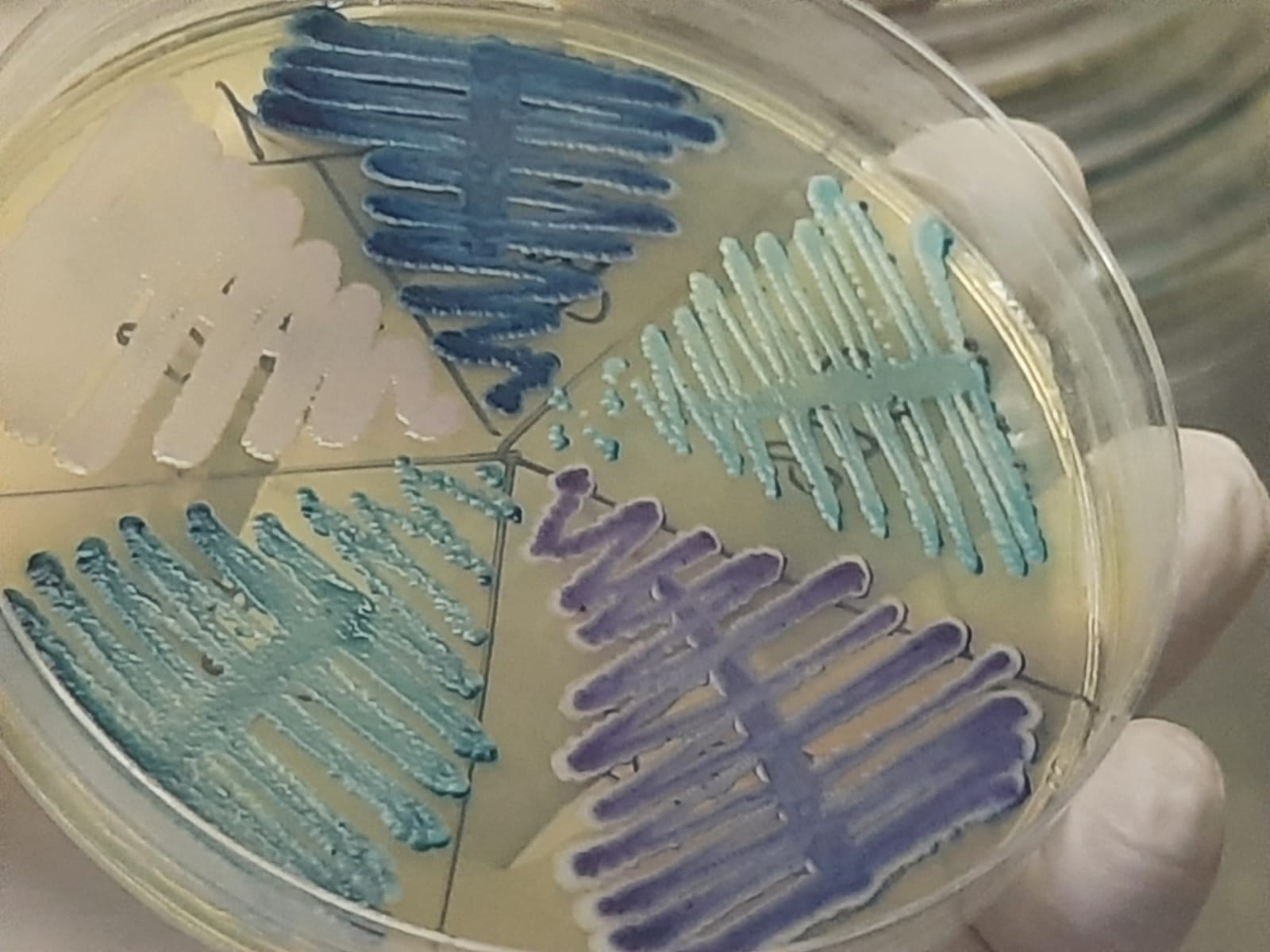
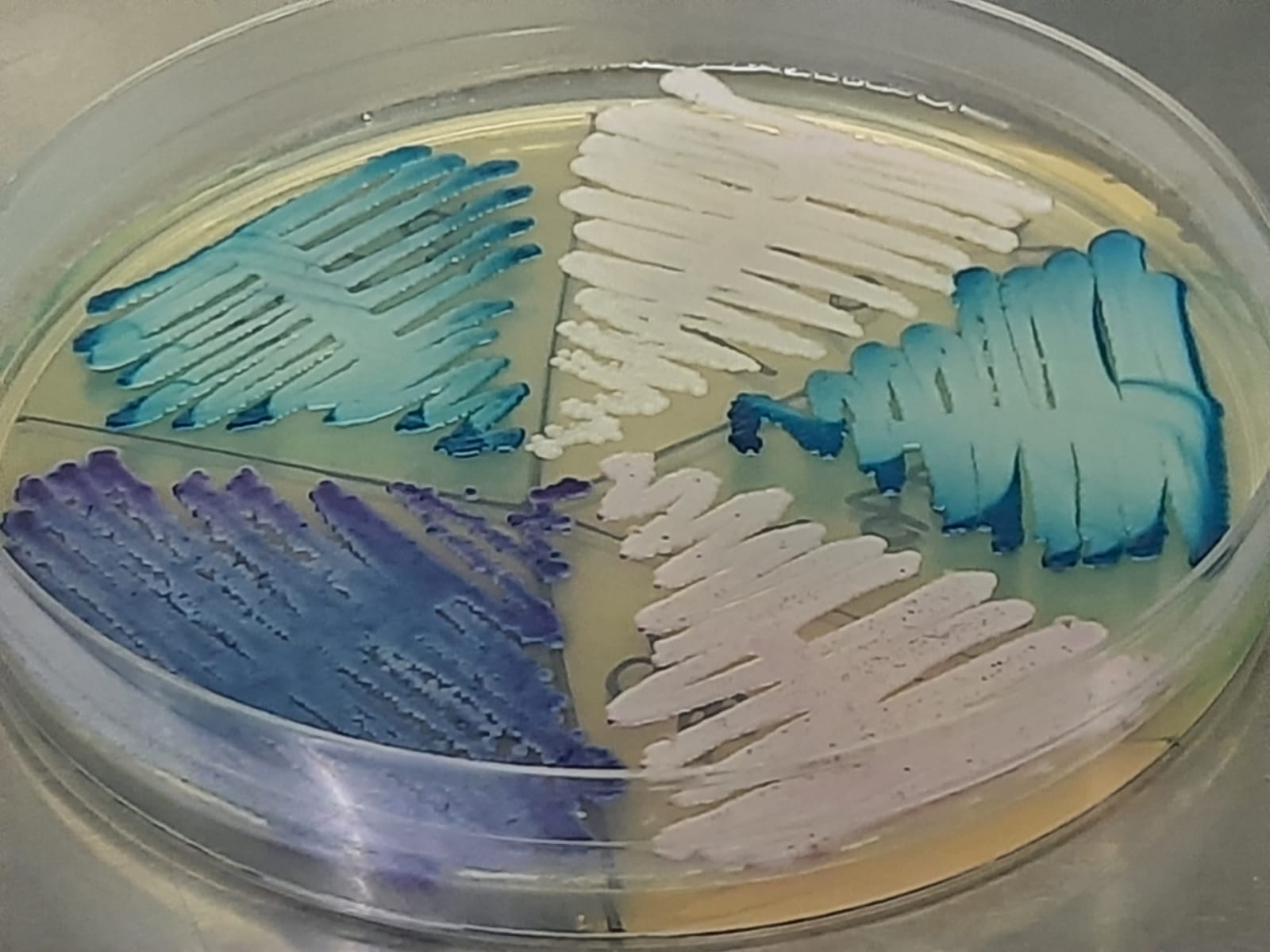
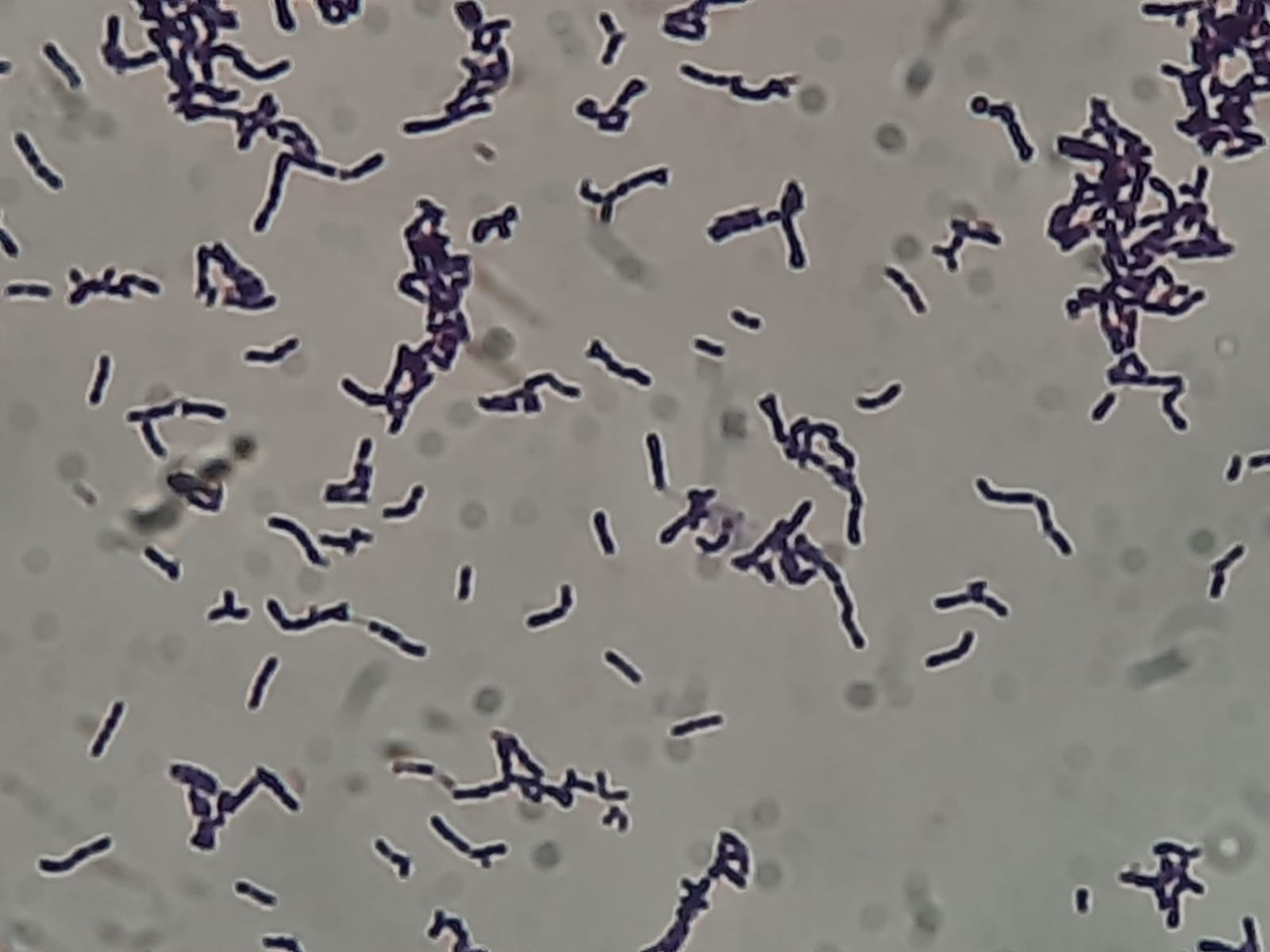
Various Candida species growth on HiCrome Candida Differential Agar after 4 days of incubation

Introduction HiCrome™ Candida Differential Agar is a specialized chromogenic medium used in clinical microbiology for the rapid isolation and presumptive identification of Candida species. The medium is designed to differentiate between major Candida species—Candida albicans, Candida tropicalis, Candida krusei (Pichia kudriavzevii), and Candida glabrata—based on colony color and morphology within 48 hours. …

Read more

Rothia kristinae: Introduction, Pathogenicity, Lab Diagnosis, Treatment, Prevention, and Keynotes

R. kristinae in Gram-stained culture microscopy shows irregular, pleomorphic Gram-positive bacilli, ranging from short rods to e

Introduction Pathogenicity While typically considered a low-grade commensal, it causes serious infections primarily in immunocompromised patients or those with indwelling medical devices.  Lab Diagnosis Treatment There are no official clinical breakpoints, so treatment is often guided by expert consultation and raw Minimum Inhibitory Concentration (MIC) values.  Prevention Keynotes …

Read more

Serpentine Cord: Introdction, Clinical Significance, and Keynotes

Serpentine cord or Cord factor or Trehalose dimycolate,TDM of Mycobacterium tuberculosis complex (MTBC) in Ziehl-Neelsen Staining of modified Middlebrook 7H9 Broth at a magnification of 1600X

Introduction Clinical Significance Keynotes Further Readings