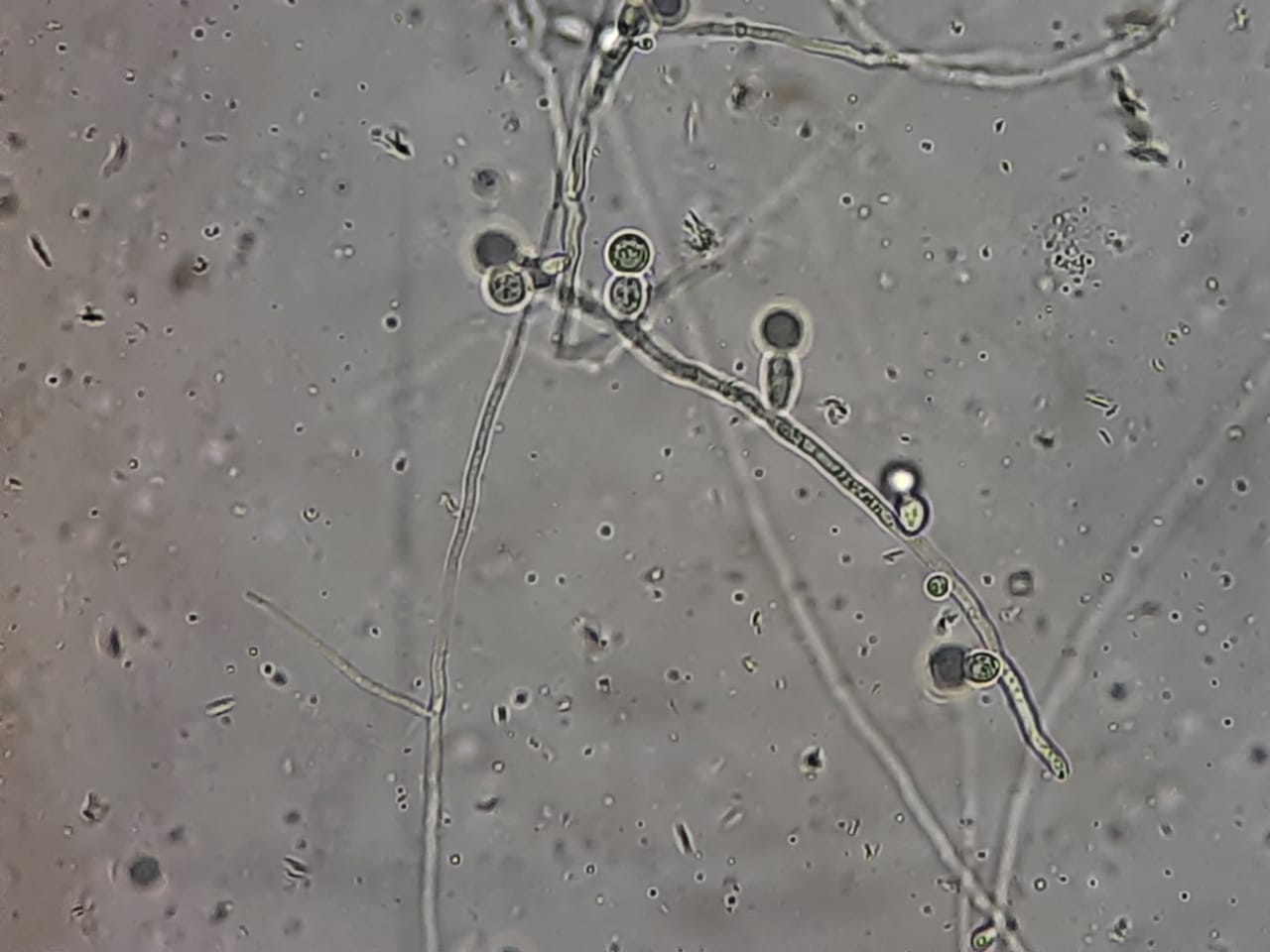
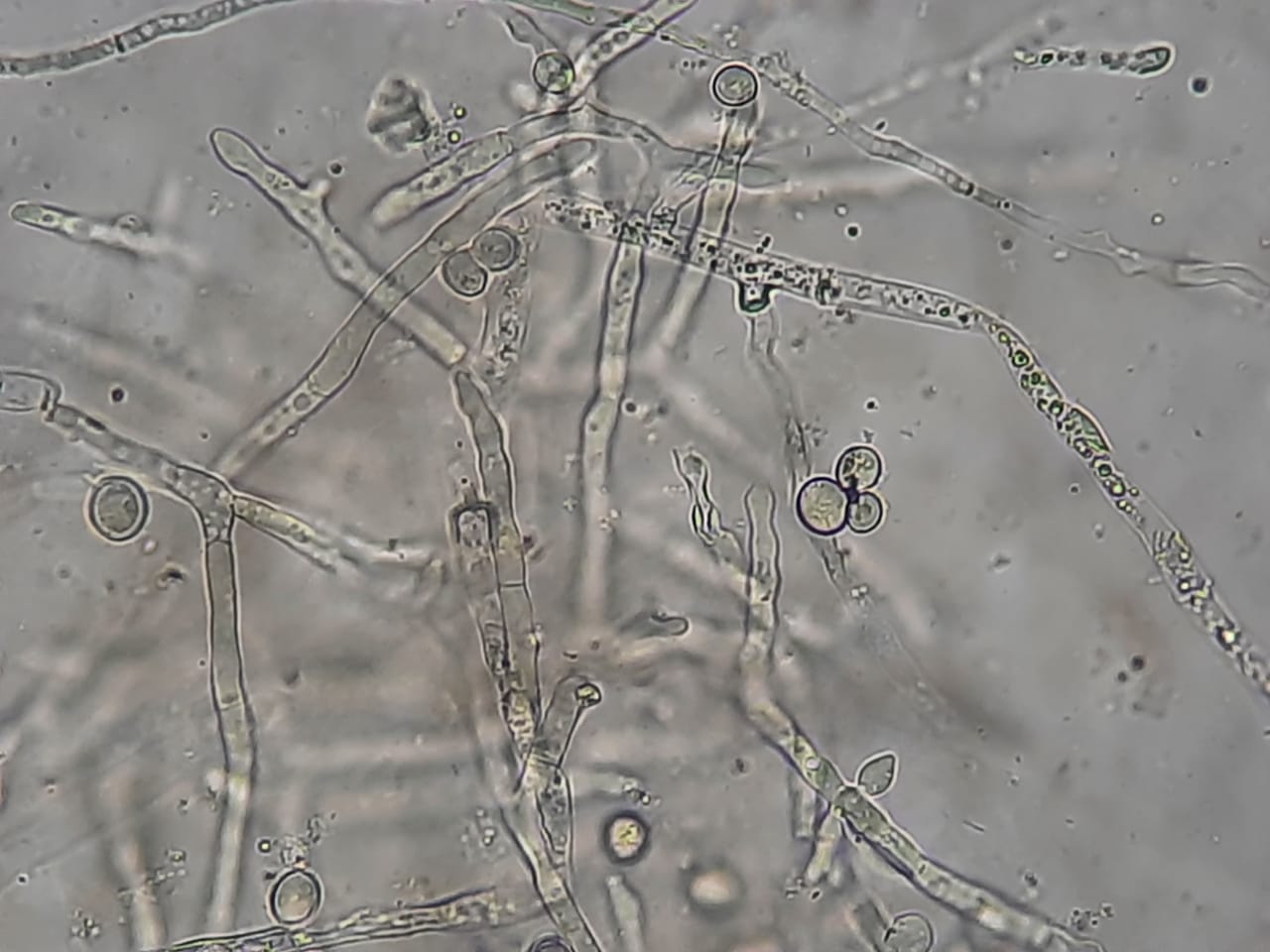
Blood Culture–Positive Molds: Introduction, Common molds, Comparison, and Keynotes

Blood Culture–Positive Molds

Introduction Blood cultures are the cornerstone for diagnosing fungemia, but while yeasts (Candida spp.) are frequently detected, molds are rarely recovered in blood culture systems. This is because most molds (Aspergillus, Mucorales) cause tissue-invasive disease without sustained fungemia. However, certain molds such as Fusarium spp. …

Read more

Yeasts-Colorimetric Antifungal Susceptibility Testing: Introduction, Principle, Clinical Significance, and Keynotes

Yeasts-Colorimetric Antifungal Susceptibility Testing-Introduction, Principle, Clinical Significance, and Keynotes

Introduction Yeasts, especially Candida and Cryptococcus species, are frequent causes of opportunistic infections in immunocompromised patients. Determining their antifungal susceptibility is crucial for guiding effective therapy. While broth microdilution methods (CLSI/EUCAST) serve as reference standards, they are labor-intensive and time-consuming. Colorimetric antifungal susceptibility testing systems …

Read more

Yeast Identification by Chromogenic Media: Introduction, Principle, Clinical Significance, and Keynotes

Yeast Identification by Chromogenic Media (HiMedia)

Introduction of Yeast Identification by Chromogenic Media (HiMedia) Opportunistic yeasts, especially Candida species, are frequent causes of infections ranging from superficial candidiasis to life-threatening systemic disease. Conventional identification based on culture and biochemical tests can be time-consuming and may not reliably distinguish closely related species. …

Read more

Fungal Identification by PCR-Sequencing (Sanger): Introduction, Principle, Clinical Significance, and Keynotes

Pure culture of Candida

Introduction Accurate identification of fungi is critical for clinical, environmental, and epidemiological purposes. Traditional culture and morphology-based methods are time-consuming and may misidentify cryptic or closely related species. PCR amplification followed by Sanger sequencing of conserved genetic loci (e.g., ITS, 18S rRNA, 28S rRNA, β-tubulin, …

Read more

Yeast Identification by MALDI-TOF (VITEK): Introduction, Principle, Clinical Significance, and Keynotes

Yeast Identification by MALDI-TOF (VITEK): Introduction, Principle, Clinical Significance, and Keynotes

Introduction Yeasts, especially Candida species, are among the most important causes of opportunistic fungal infections in humans. Accurate and rapid identification is crucial for guiding antifungal therapy and improving patient outcomes. Traditional phenotypic methods are time-consuming and often misidentify cryptic species. Matrix-Assisted Laser Desorption/Ionization Time-of-Flight …

Read more

Acinetobacter ursingii: Introduction, Morphology, Pathogenicity, Lab Diagnosis, Treatment, Prevention, and Keynote

Introduction Acinetobacter ursingii is a Gram-negative, non-fermentative, opportunistic bacterium belonging to the genus Acinetobacter. It is an uncommon species compared to Acinetobacter baumannii, but it has been increasingly recognized in healthcare-associated infections (HAIs). Reported cases include bacteremia, septicemia, pneumonia, urinary tract infections, and bloodstream infections, …

Read more

Candida auris PCR-Directly on Clinical Samples: Introduction, Principle, Clinical Significance, and Keynotes

Candida auris PCR-Directly on Clinical Samples: Introduction, Principle, Clinical Significance, and Keynotes

Introduction Candida auris is an emerging multidrug-resistant yeast responsible for outbreaks of healthcare-associated infections worldwide. It is difficult to identify by conventional culture and biochemical methods, often misidentified as other Candida species (C. haemulonii, C. famata). Rapid and accurate detection is essential to initiate infection …

Read more

Fungal Culture of Clinical Samples: Introduction, Principle, Clinical Significance, and Keynotes

Body fluid and sputum for culture

Introduction Fungal culture is the gold standard method for the detection and identification of pathogenic fungi in clinical microbiology. It is essential for diagnosing superficial, subcutaneous, and systemic mycoses. Clinical specimens such as blood, sputum, bronchoalveolar lavage (BAL), urine, cerebrospinal fluid (CSF), skin scrapings, nail …

Read more