Bacterial Load (Decoding the CFU): Introduction, Ranges, Application, and Keynotes

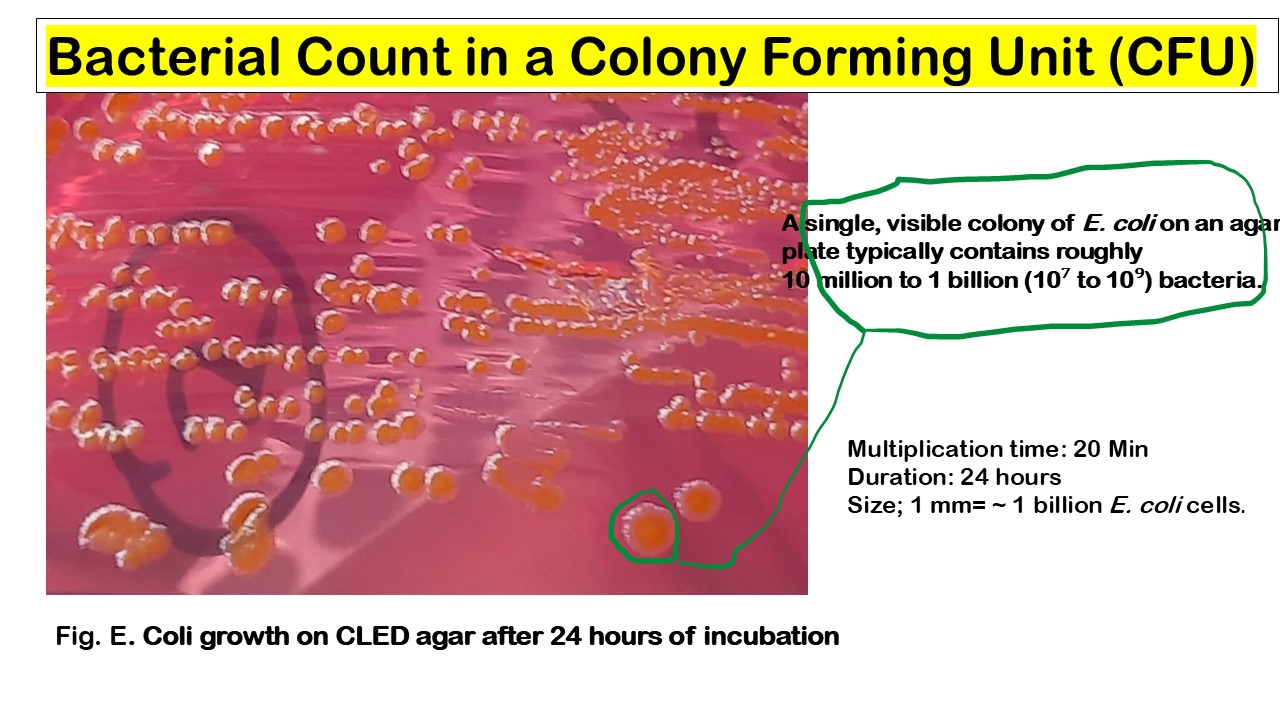
Bacterial Count in a Colony Forming Unit (CFU)

Introduction of Bacterial Load (Decoding the CFU) Bacterial load, measured in Colony-Forming Units (CFU), is a fundamental concept in microbiology used to estimate the number of viable (living) microorganisms in a sample. Unlike total cell counts that include dead bacteria, the CFU method only counts …

Read more

Nakaseomyces glabratus: Introduction, Morphology, Pathogenicity, Lab Diagnosis, Treatment, Prevention, and Keynotes

Nakaseomyces glabratus (formerly Candida glabrata) growth on HiCrome Candida Differential Agar

Introduction Nakaseomyces glabratus (formerly Candida glabrata) is a highly adaptable, haploid yeast that is a common commensal of the human gastrointestinal and genitourinary tracts. It is the second or third most common cause of candidiasis worldwide and is notable for its high level of intrinsic and acquired …

Read more

Mycobacterium tuberculosis complex (MTBC): Introduction, Morphology, Pathogenicity, Lab Diagnosis, Treatment, Prevention, and Keynotes

Mycobacterium tuberculosis complex grow on MGIT having modified Middlebrook 7H9 broth with PANTA supplement after 13 days of incubation

Introduction The Mycobacterium tuberculosis complex (MTBC) is a group of genetically related bacterial species that cause tuberculosis (TB) in humans and various animals. While Mycobacterium tuberculosis (sensu stricto) is the primary cause of human tuberculosis, the complex includes several other species with distinct host preferences and geographic distributions.  Morphology …

Read more

Criteria and Decision Framework for Differentiating True Infection from Colonization or Contamination by Aspergillus niger in Cancer Patients

Aspergillus niger growth on SDA

Evaluate the Clinical Context Sample Collection & Repeatability Microscopy & Direct Detection Quantitative Culture & Sterility of Site Serological & Molecular Evidence Radiological Correlation Practical Interpretation Framework Finding Likely Contaminant Possible Colonizer Likely Pathogen Single isolate from 1 sample ✅ ✅ ❌ Repeated isolation from …

Read more

Cedecea davisae- Introduction, Morphology, Pathogenicity, Lab Diagnosis, Treatment, Prevention, and Keynotes

Cedecea in wet mount of culture microscopy

Introduction Cedecea davisae is a rare, opportunistic pathogen in the Enterobacteriaceae family. It was first isolated from a human wound. This bacterium can cause infections in immunocompromised individuals. It exhibits resistance to several antibiotics. It is often misidentified due to its rarity. However, proper laboratory …

Read more