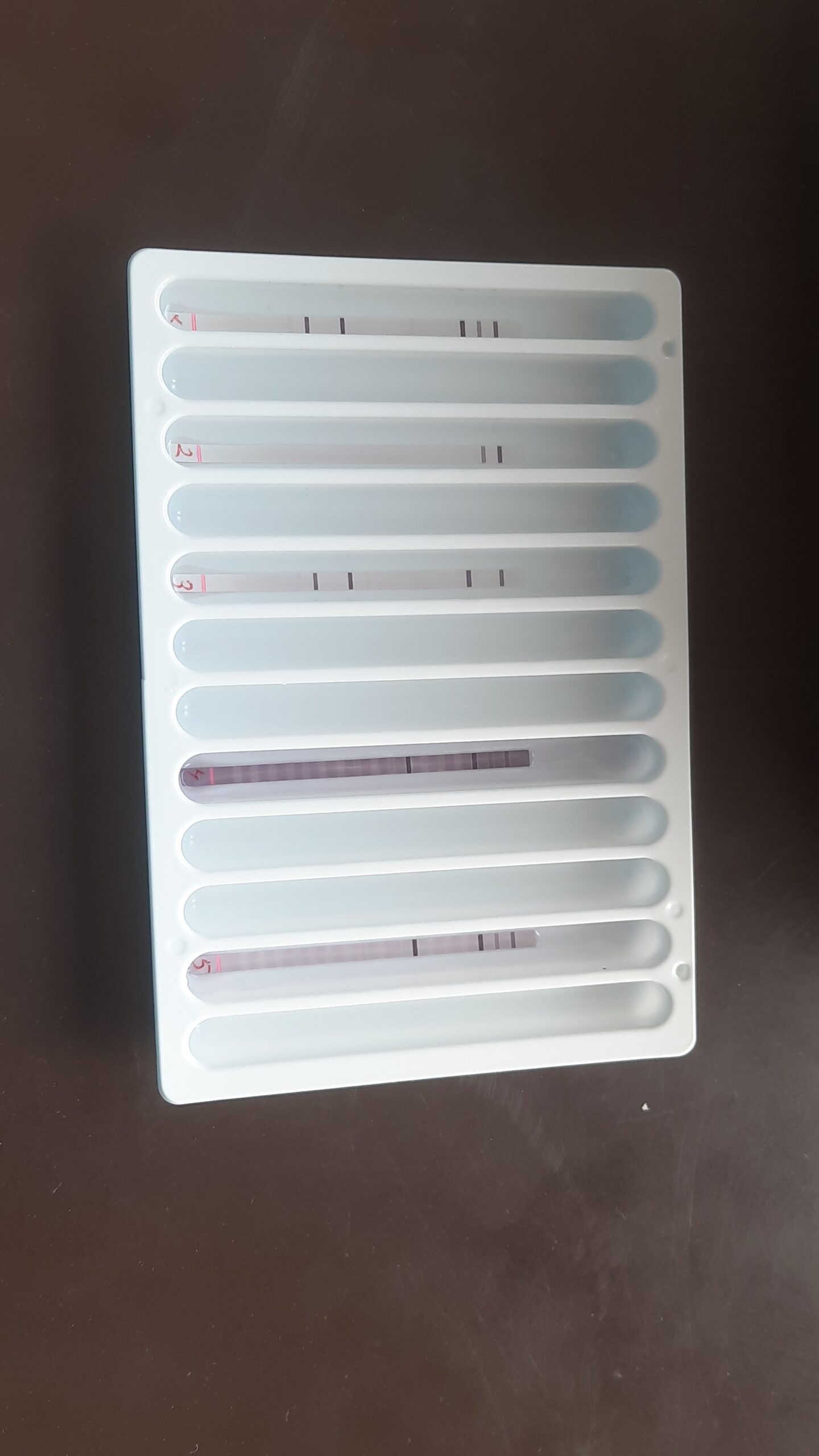
Aspergillus-Antigen Testing:Introduction, Principle, Clinical Significance, and Keynotes

Aspergillus-Antigen Testing-Introduction, Principle, Clinical Significance, and Keynotes

Introduction Aspergillus species, particularly Aspergillus fumigatus, are major causes of invasive aspergillosis (IA), especially in immunocompromised patients, such as those with hematological malignancies, transplant recipients, or those with prolonged neutropenia. Diagnosis of IA is often challenging because clinical symptoms and radiological findings are nonspecific. Aspergillus …

Read more

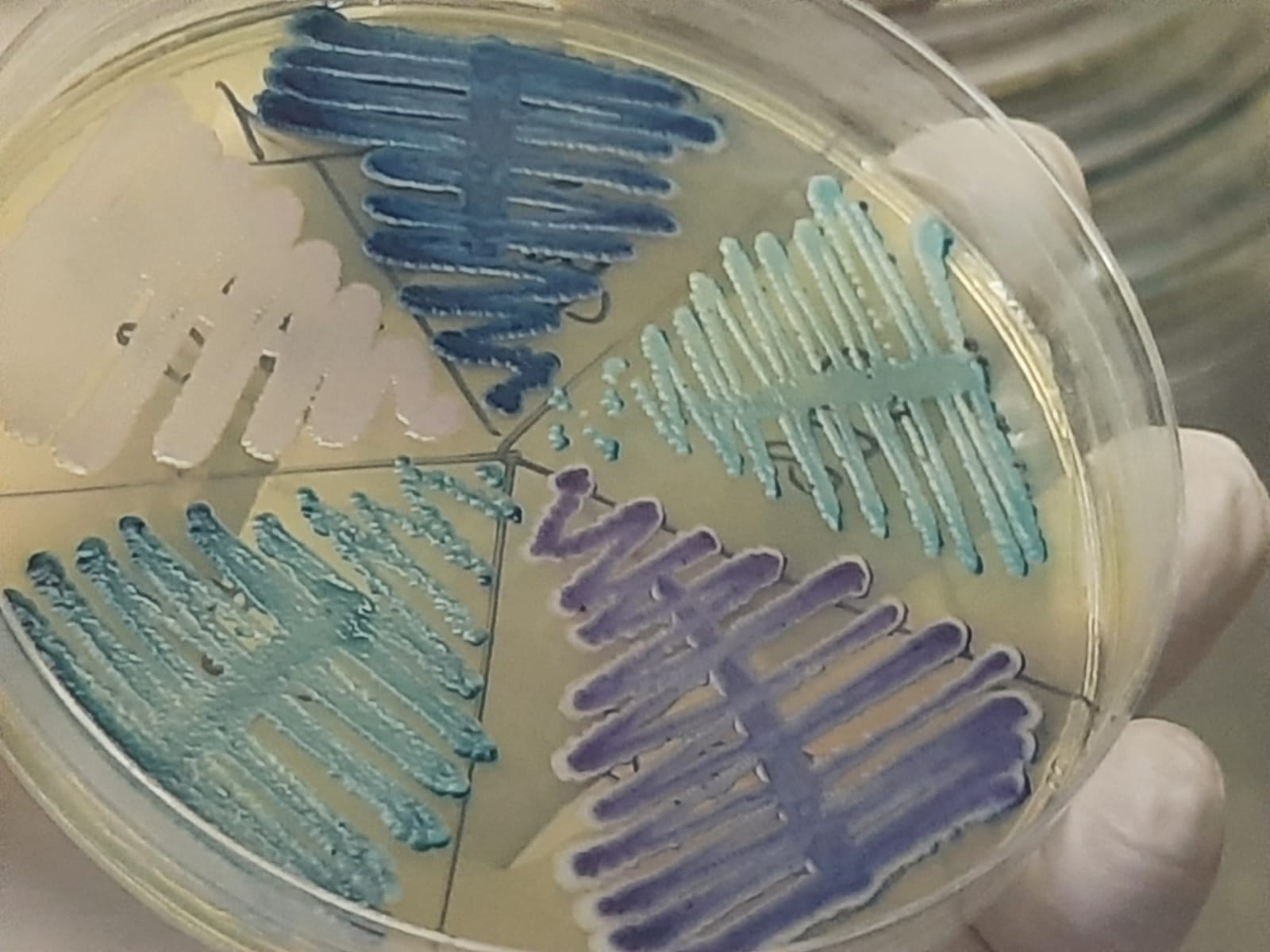
Yeast Identification by MALDI-TOF (BRUKER): Introduction, Principle, Clinical Significance, and Keynotes

Yeast Identification by MALDI-TOF (BRUKER)- Introduction, Principle, Clinical Significance, and Keynotes

Introduction Yeast infections, particularly those caused by Candida, Cryptococcus, and other opportunistic yeasts, are significant in immunocompromised and oncology patients. Rapid and accurate identification of yeasts is essential for guiding therapy and improving patient outcomes. Matrix-Assisted Laser Desorption Ionization–Time of Flight Mass Spectrometry (MALDI-TOF MS), …

Read more

Yeasts E-Test: Introduction, Principle, Clinical Significance, and Keynotes

Yeasts E-Test- Introduction, Principle, Clinical Significance, and Keynotes

Introduction Yeast infections, particularly caused by Candida and Cryptococcus species, are a major clinical challenge, especially in immunocompromised patients. Rapid and accurate determination of antifungal susceptibility is crucial for guiding therapy. The E-test (Epsilometer test) is a widely used, simple, and reliable method for determining …

Read more

Comparison: Multiplex PCR vs Blood Culture vs Biomarker Tests (β-D-Glucan / CrAg)B

Multiplex PCR Setup

Introduction of Comparison: Multiplex PCR vs Blood Culture vs Biomarker Tests The diagnosis of invasive fungal infections remains a major clinical challenge, especially in high-risk patients such as those with cancer, transplants, or critical illness. Conventional blood culture is still the gold standard but suffers …

Read more

Yeasts-Broth Microdilution Testing (CLSI): Introduction, Principle, Clinical Significance, and Keynotes

Yeasts-Broth Microdilution Testing (CLSI): Introduction, Principle, Clinical Significance, and Keynotes

Introduction Yeast infections, particularly those caused by Candida and Cryptococcus species, are a significant cause of morbidity and mortality, especially in immunocompromised and oncology patients. Accurate antifungal susceptibility testing (AFST) is essential for guiding appropriate therapy. The Clinical and Laboratory Standards Institute (CLSI) broth microdilution …

Read more

Multiplex PCR Assay-Directly on Blood for Fungi: Introduction, Principle, Clinical Significance, and Keynotes

Introduction Fungal bloodstream infections (fungemia) are life-threatening, especially in immunocompromised and oncology patients. Conventional methods like blood culture are slow, often requiring several days for growth and identification. Multiplex PCR directly on blood offers rapid, sensitive, and simultaneous detection of multiple fungal pathogens without the …

Read more

β-D-Glucan: Introduction, Principle, Clinical Significance, and Keynotes

Introduction β-D-Glucan (BDG) is a polysaccharide component of the fungal cell wall, widely present in species such as Candida, Aspergillus, Fusarium, and Pneumocystis jirovecii. Since it is released into the bloodstream during invasive fungal infections (IFIs), detection of BDG has become a valuable non-culture-based diagnostic …

Read more

Blastomyces-Antigen Testing: Introduction, Principle, Clinical Significance, and Keynotes

Introduction Blastomyces dermatitidis is a dimorphic fungus responsible for blastomycosis, a potentially life-threatening systemic mycosis. It is often found in soil enriched with decaying organic matter, especially near rivers and lakes. Traditional diagnosis relies on culture, microscopy, or histopathology, which may take several weeks. To …

Read more