Acinetobacter ursingii: Introduction, Morphology, Pathogenicity, Lab Diagnosis, Treatment, Prevention, and Keynote

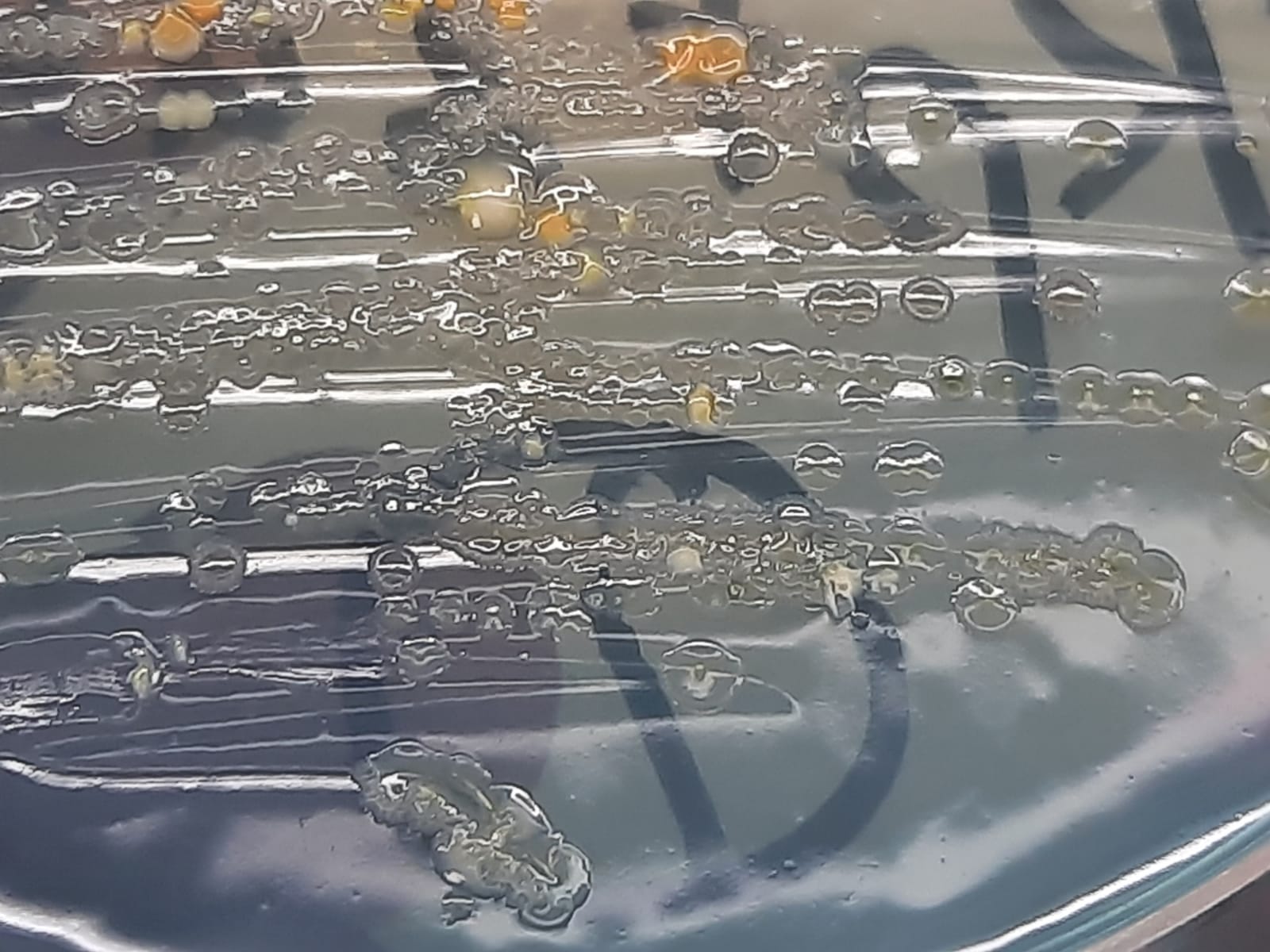
Introduction Acinetobacter ursingii is a Gram-negative, non-fermentative, opportunistic bacterium belonging to the genus Acinetobacter. It is an uncommon species compared to Acinetobacter baumannii, but it has been increasingly recognized in healthcare-associated infections (HAIs). Reported cases include bacteremia, septicemia, pneumonia, urinary tract infections, and bloodstream infections, …

Read more

Candida auris PCR-Directly on Clinical Samples: Introduction, Principle, Clinical Significance, and Keynotes

Candida auris PCR-Directly on Clinical Samples: Introduction, Principle, Clinical Significance, and Keynotes

Introduction Candida auris is an emerging multidrug-resistant yeast responsible for outbreaks of healthcare-associated infections worldwide. It is difficult to identify by conventional culture and biochemical methods, often misidentified as other Candida species (C. haemulonii, C. famata). Rapid and accurate detection is essential to initiate infection …

Read more

Fungal Culture of Clinical Samples: Introduction, Principle, Clinical Significance, and Keynotes

Body fluid and sputum for culture

Introduction Fungal culture is the gold standard method for the detection and identification of pathogenic fungi in clinical microbiology. It is essential for diagnosing superficial, subcutaneous, and systemic mycoses. Clinical specimens such as blood, sputum, bronchoalveolar lavage (BAL), urine, cerebrospinal fluid (CSF), skin scrapings, nail …

Read more

Fungal Blood Culture-Mold: Introduction, Principle, Clinical Significance, and Keynotes

Fungal Blood Culture Bottle showing fungal growth

Introduction Molds such as Aspergillus, Fusarium, Scedosporium, and members of the Mucorales are important causes of invasive fungal infections, particularly in immunocompromised patients (oncology, transplant, hematology, ICU). Unlike yeasts (Candida, Cryptococcus), which are more frequently recovered from blood cultures, molds are rarely detected in routine …

Read more

Yeast Identification by Auxacolor System-Introduction, Principle, Clinical Significance, and Keynotes

Introduction The Auxacolor System is a commercially available biochemical-based yeast identification method widely used in clinical microbiology laboratories. It provides a simple, standardized approach to identifying medically important yeasts, including Candida, Cryptococcus, Trichosporon, and others. Unlike molecular tools or MALDI-TOF MS, Auxacolor is inexpensive, does …

Read more

Histoplasma-Antibody Testing: Introduction, Principle, Clinical Significance, and Keynotes

Introduction Histoplasma capsulatum is a dimorphic fungus responsible for histoplasmosis, a systemic mycosis prevalent in endemic regions such as the Ohio and Mississippi River valleys, parts of Latin America, Africa, and Asia. Rapid and reliable diagnosis is crucial since clinical features may mimic tuberculosis, malignancy, …

Read more

Multiplex PCR assay-Directly on Respiratory samples:Introduction, Principle, Clinical Significance, and Keynotes

Introduction Respiratory tract infections are caused by a wide range of pathogens, including viruses, bacteria, and fungi. Conventional diagnostic methods such as culture, microscopy, and antigen detection are time-consuming and often lack sensitivity. Multiplex polymerase chain reaction (PCR) assays, applied directly to respiratory samples (sputum, …

Read more

Mold Identification by MALDI-TOF (BRUKER)-Introduction, Principle, Clinical Significance, and Keynotes

Introduction Accurate and timely identification of molds is essential for clinical microbiology, especially in cases of invasive fungal infections caused by Aspergillus, Fusarium, Scedosporium, Mucorales, and other filamentous fungi. Traditional methods based on morphology and phenotypic characteristics are slow, require expertise, and may misidentify cryptic …

Read more