Rothia kristinae: Introduction, Pathogenicity, Lab Diagnosis, Treatment, Prevention, and Keynotes

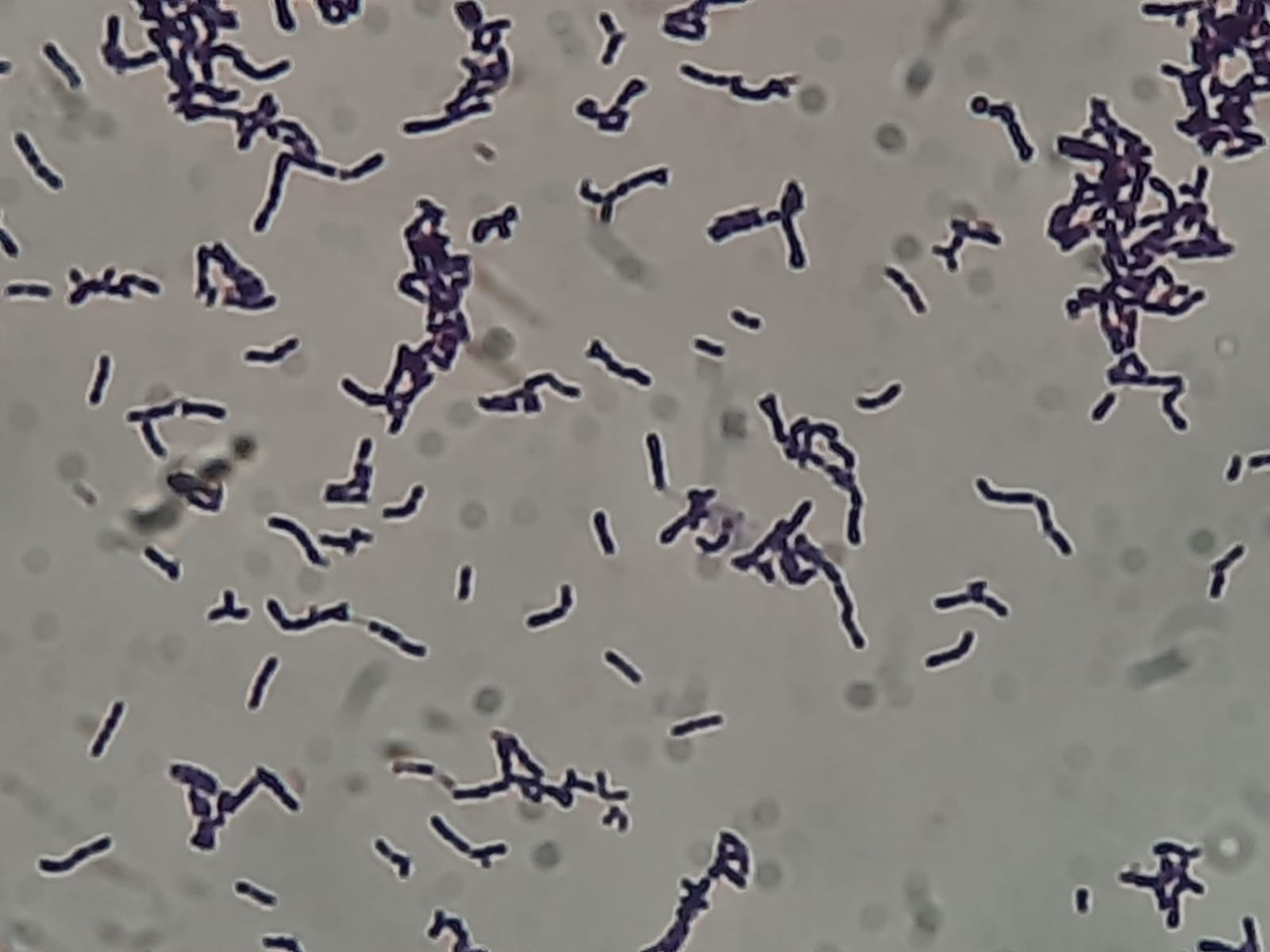
R. kristinae in Gram-stained culture microscopy shows irregular, pleomorphic Gram-positive bacilli, ranging from short rods to e

Introduction Pathogenicity While typically considered a low-grade commensal, it causes serious infections primarily in immunocompromised patients or those with indwelling medical devices.  Lab Diagnosis Treatment There are no official clinical breakpoints, so treatment is often guided by expert consultation and raw Minimum Inhibitory Concentration (MIC) values.  Prevention Keynotes …

Read more

Lactococcus garvieae: Introduction, Pathogenicity, Lab Diagnosis, Treatment, Prevention, and Keynotes

Gram positive cocci of Lactococcus garvieae in Gram staining of repeated culture at a magnification of 4000X

Introduction Lactococcus garvieae is a Gram-positive, catalase-negative, non-spore-forming coccus, typically arranged in pairs or short chains. It belongs to the lactic acid bacteria group and is well known as a major pathogen in fish (lactococcosis). In humans, it is an emerging opportunistic pathogen, increasingly recognized …

Read more

Streptococcus agalactiae (GBS): Introduction, Pathogenicity, Lab Diagnosis, Treatment, and Keynotes

Gram-positive cocci in chains Streptococcus agalactiae (GBS)

Introduction Streptococcus agalactiae, also known as Group B Streptococcus (GBS), is a Gram-positive, beta-hemolytic coccus arranged in chains. It is a major cause of neonatal sepsis, meningitis, and infections in pregnant women, and an emerging pathogen in immunocompromised adults. GBS commonly colonizes the gastrointestinal and …

Read more

Throat Swab Gram stain: Introduction, Report-Interpretation, Clinical Significance, and Keynotes

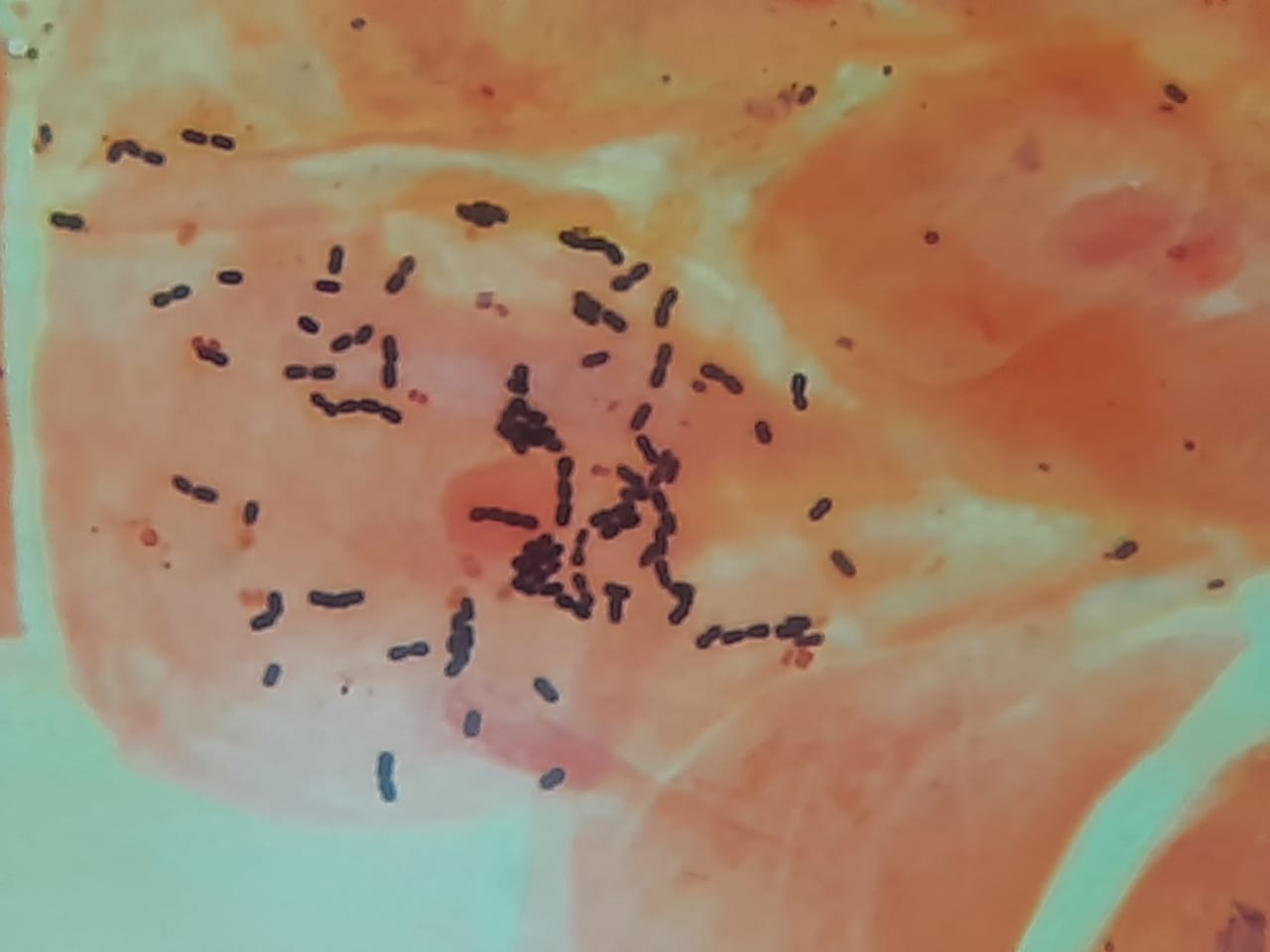
Gram positive and Gram negative bacteria in throat swab Gram stain photomicrograph at a magnification of 4000X

Introduction A throat swab Gram stain is a rapid, initial diagnostic test performed on specimens collected from the oropharynx or tonsillar region. It helps to identify bacterial flora, pathogens, and inflammatory response. While culture and molecular methods provide definitive diagnosis, Gram staining offers early guidance …

Read more

Yeast Identification by Chromogenic Media: Introduction, Principle, Clinical Significance, and Keynotes

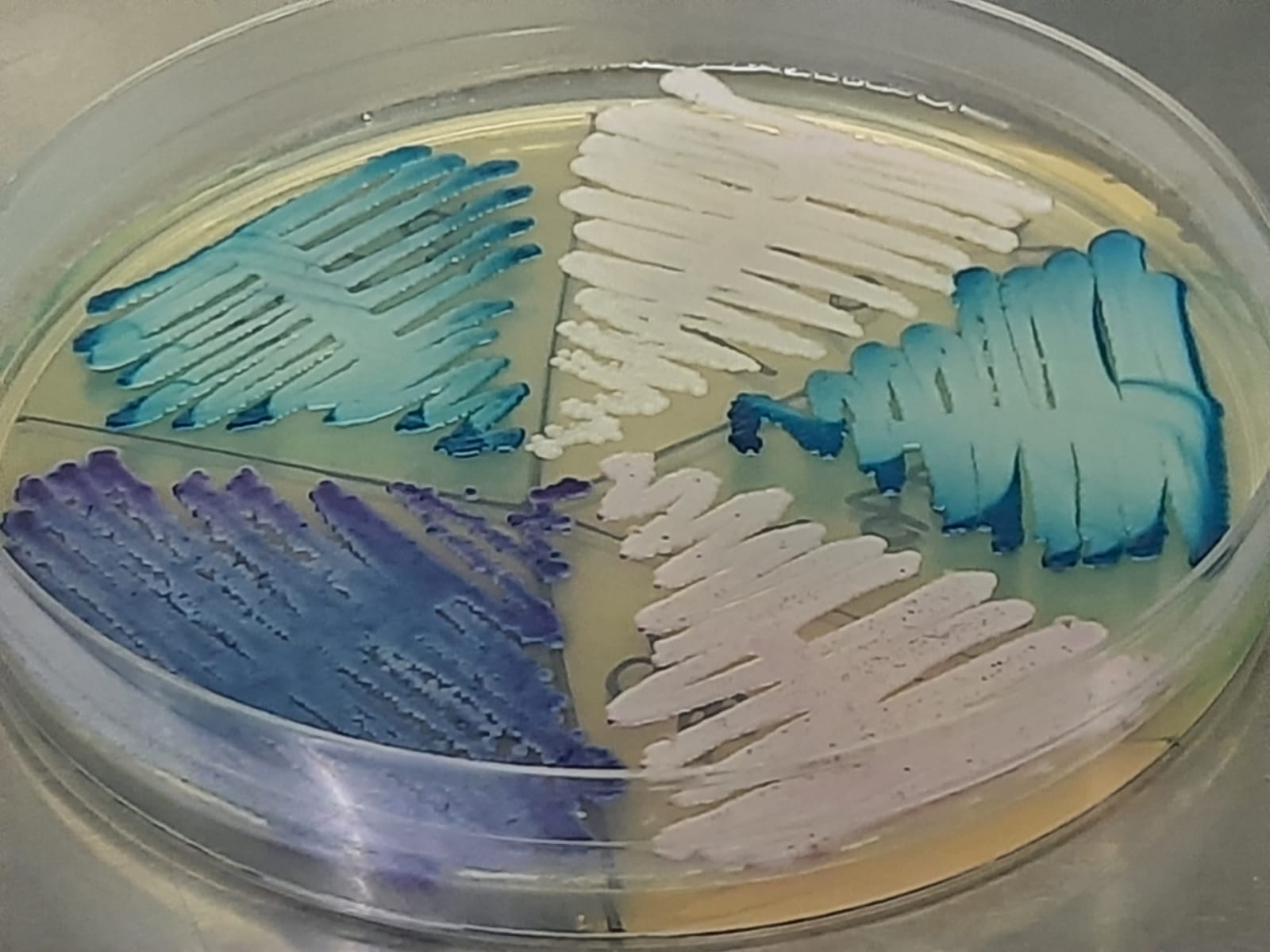
Yeast Identification by Chromogenic Media (HiMedia)

Introduction of Yeast Identification by Chromogenic Media (HiMedia) Opportunistic yeasts, especially Candida species, are frequent causes of infections ranging from superficial candidiasis to life-threatening systemic disease. Conventional identification based on culture and biochemical tests can be time-consuming and may not reliably distinguish closely related species. …

Read more

Yeast Identification by MALDI-TOF (VITEK): Introduction, Principle, Clinical Significance, and Keynotes

Yeast Identification by MALDI-TOF (VITEK): Introduction, Principle, Clinical Significance, and Keynotes

Introduction Yeasts, especially Candida species, are among the most important causes of opportunistic fungal infections in humans. Accurate and rapid identification is crucial for guiding antifungal therapy and improving patient outcomes. Traditional phenotypic methods are time-consuming and often misidentify cryptic species. Matrix-Assisted Laser Desorption/Ionization Time-of-Flight …

Read more

Acinetobacter ursingii: Introduction, Morphology, Pathogenicity, Lab Diagnosis, Treatment, Prevention, and Keynote

Introduction Acinetobacter ursingii is a Gram-negative, non-fermentative, opportunistic bacterium belonging to the genus Acinetobacter. It is an uncommon species compared to Acinetobacter baumannii, but it has been increasingly recognized in healthcare-associated infections (HAIs). Reported cases include bacteremia, septicemia, pneumonia, urinary tract infections, and bloodstream infections, …

Read more

MB-Redox Medium-Introduction, Principle, Clinical Significance, Advantage, Disadvantage, and Keynotes

Introduction MB-Redox Medium (Mycobacteria-Redox Medium) is a liquid culture medium designed for the rapid growth and detection of Mycobacteria, particularly Mycobacterium tuberculosis. It incorporates redox indicators that change color based on microbial metabolic activity, providing a visual cue for bacterial growth. It is increasingly used …

Read more