Urine Microscopy: Introduction, Principle, Test Requirements, Procedure, Findings, Clinical Significance, and Keynotes

Epithelial Cells in Urine Microscopy at 1600X Magnification

Introduction Urine microscopy is a laboratory diagnostic method used to examine the microscopic components of urine sediment. It helps detect cells, crystals, casts, microorganisms, and other formed elements. This test is critical in the diagnosis of urinary tract infections (UTIs), renal diseases, systemic disorders, and …

Read more

Fat Globules vs Cells in Ascitic Fluid Microscopy: Introduction, Comparison, and Keynote

Photomicrograph of fat globules and cells in perotionieal fluid at a magnification of 1600X

Introduction Microscopic evaluation of ascitic fluid is an essential step in differentiating between benign lipid material and pathological cellular elements. The distinction between fat globules and cells is critical because both may appear as rounded structures, yet their origin, clinical significance, and interpretation differ significantly. …

Read more

Autoclave Tape-Introduction, Principle, Testing Procedure, Result-Interpretation, and Keynotes

Autoclave tape before autoclaving

Introduction Autoclave tape is a commonly used chemical indicator in microbiology and clinical laboratories to monitor sterilization by steam autoclaves. It provides a visual confirmation that the materials have been exposed to specific sterilization conditions. While it does not prove sterility, it is an essential …

Read more

Aspergillus niger Vs Aspergillus fumigatus-Introduction, Differences, Keynotes, and Related Footage

Aspergillus niger and Aspergillus fumigatus growth on Sabouraud dextrose agar (SDA) after 7 days of incubation

Introduction Key Differences: Aspergillus niger vs Aspergillus fumigatus Feature Aspergillus niger Aspergillus fumigatus Colony color (SDA) Black, powdery colonies Blue-green to gray-green colonies Growth rate Rapid, abundant sporulation Moderate, compact colonies Conidial heads Large, radiate, globose Columnar, compact Conidia Rough, black, spherical Smooth to rough, …

Read more

Yeasts (Disk Diffusion) Assay: Introduction, Test Requirements, Procedure, Result-Interpretation, and Keynotes

Yeasts (Disk Diffusion) Assay

Introduction Disk diffusion assay is a standardized method used for testing antifungal susceptibility of yeasts, especially Candida spp. It evaluates the inhibitory effect of antifungal agents on yeast growth by measuring the zone of inhibition around drug-impregnated disks placed on inoculated agar. This method is …

Read more

Comparative Microscopy of Candida Species: Introduction, Table, and Keynotes

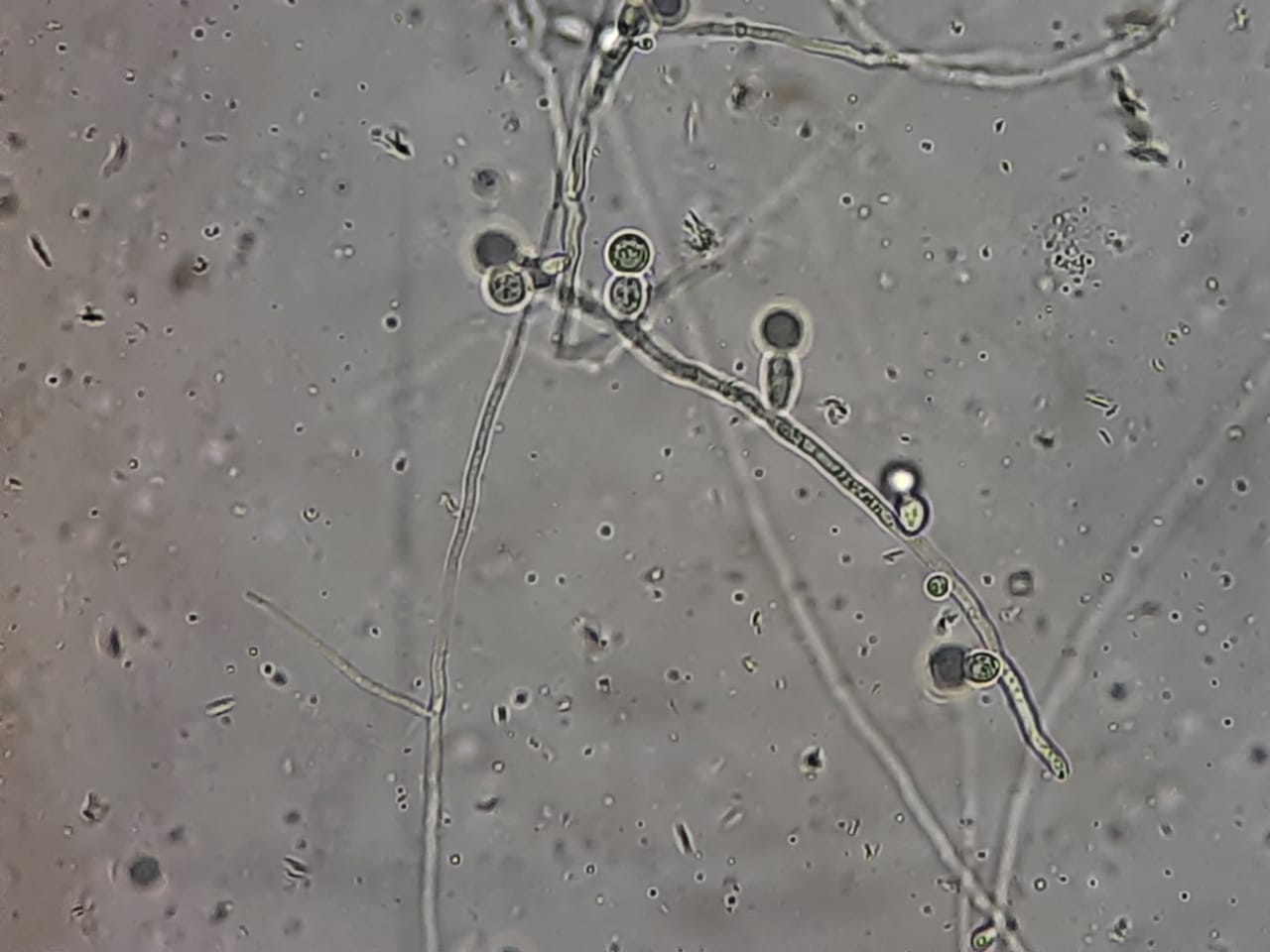
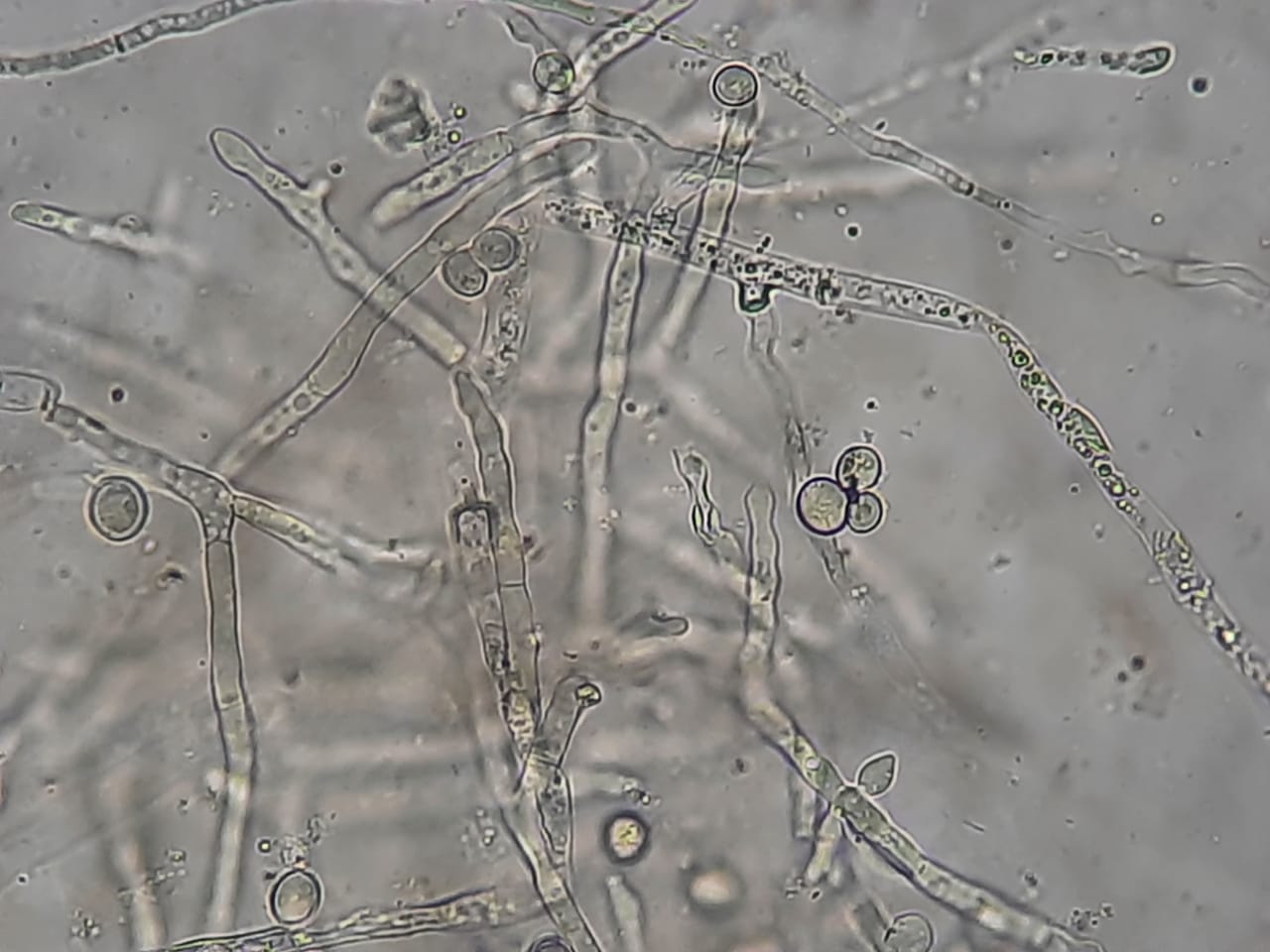
Chlamydospores of Candida albicans found in direct clinical sample(sputum) KOH mount Microscopy (Mag.1600X)

Introduction The genus Candida comprises a diverse group of opportunistic yeasts frequently isolated from human clinical specimens. Among them, Candida albicans remains the most common cause of infections; however, non-albicans Candida species, such as C. tropicalis, C. glabrata, and C. krusei, are increasingly recognized as important pathogens in immunocompromised patients, …

Read more

Comparative Microscopy of Common Clinical Fungi-Introduction, Table, and Appearance at Different Magnifications

Aspergillus in LPCB tease mount of culture

Introduction Microscopy remains one of the cornerstones of clinical mycology, providing a rapid and inexpensive method for the direct detection and preliminary identification of fungi. Comparative microscopy is particularly valuable in distinguishing the morphological features of common clinical fungi, many of which exhibit overlapping clinical …

Read more

Criteria and Decision Framework for Differentiating True Infection from Colonization or Contamination by Aspergillus niger in Cancer Patients

Aspergillus niger growth on SDA

Evaluate the Clinical Context Sample Collection & Repeatability Microscopy & Direct Detection Quantitative Culture & Sterility of Site Serological & Molecular Evidence Radiological Correlation Practical Interpretation Framework Finding Likely Contaminant Possible Colonizer Likely Pathogen Single isolate from 1 sample ✅ ✅ ❌ Repeated isolation from …

Read more