D-Zone Test: Introduction, Principle, Procedure, Result-Interpretation, Clinical Significance, and Keynotes

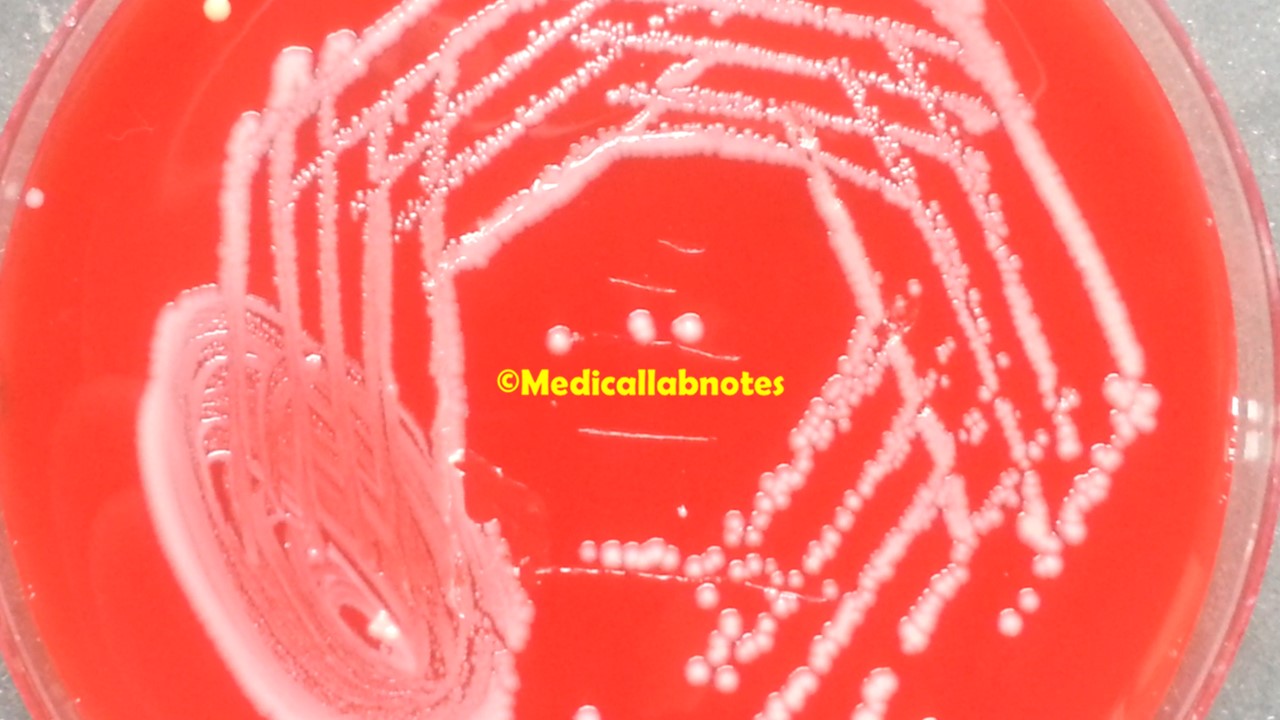
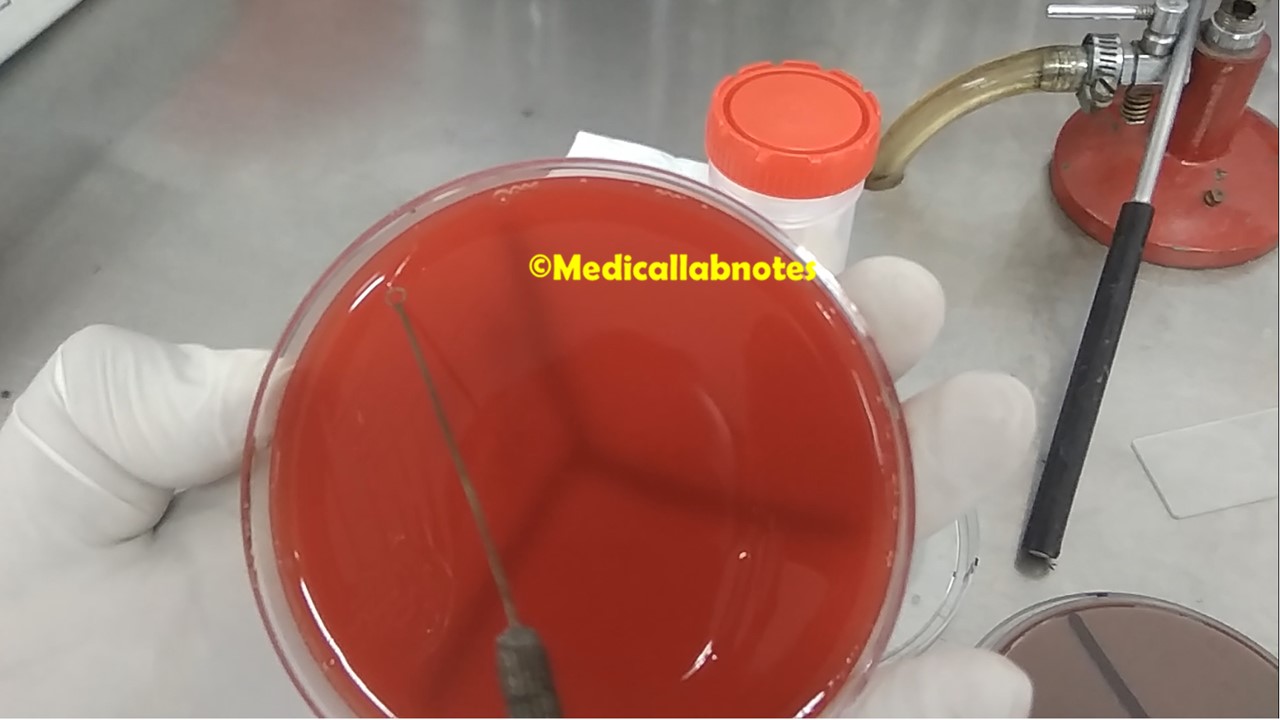
D-Zone Test Positive strain of Staphylococcus aureus

Introduction The D-Zone test identifies inducible clindamycin resistance in bacteria. Typically, it involves using erythromycin and clindamycin discs on an agar plate. When placed near each other, the interaction is observed. If a D-shaped zone appears around clindamycin, resistance is confirmed. Consequently, this test helps …
Read more

Gemella-Introduction, Morphology, Pathogenicity, Lab Diagnosis, Treatment, Prevention, and Keynotes

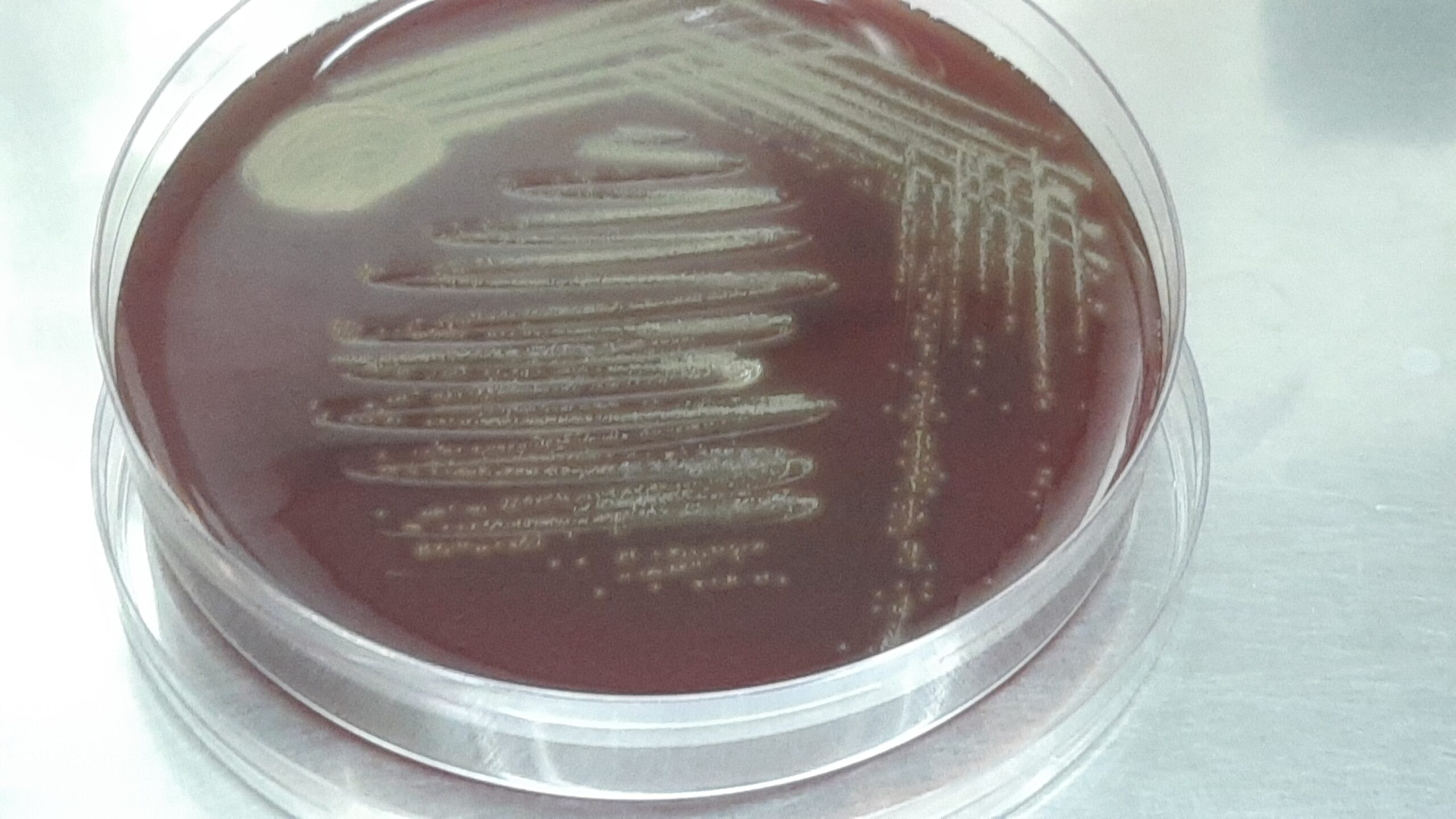
Gemella morbillorum colony morphology on blood agar of blood culture

Introduction Gemella is a genus of bacteria that is part of the normal flora of the human body, particularly found in the oral cavity, gastrointestinal tract, and upper respiratory tract. These bacteria are typically harmless but can be opportunistic pathogens, especially in individuals with compromised …

Read more

Serratia liquefaciens: Introduction, Morphology, Pathogenicity, Lab Diagnosis, Treatment, Prevention, and Keynotes

Serratia liquefaciens and Klebsiella pneumoniae growth on CLED agar of Urine Culture

Introduction Serratia liquefaciens is a species of Gram-negative, rod-shaped bacteria belonging to the genus Serratia. This bacterium is known for its diverse distribution in various environmental niches, including water, soil, plants, and human-related habitats. It has also been associated with clinical infections in humans, making …

Read more

Mycoplasma pneumoniae: Introduction, Morphology, Pathogenicity, Lab Diagnosis, Treatment, Prevention, and Keynotes

Introduction Mycoplasma pneumoniae is a unique type of bacteria that belongs to the class Mollicutes. What sets it apart from other bacteria is its lack of a cell wall, which is a characteristic feature of most bacterial species. This absence of a cell wall makes …

Read more

Pleural Fluid Culture and Sensitivity: Introduction, Report, Clinical Significance, Common Pathogens, and Keynotes

Pleural fluid for laboratory diagnosis

Introduction Pleural fluid culture and sensitivity is a diagnostic test used to identify and determine the antibiotic susceptibility of microorganisms present in the pleural fluid. The pleural fluid is a clear fluid that accumulates between the two layers of the pleura, the membrane that surrounds …

Read more

Moraxella catarrhalis: Introduction, Morphology, Pathogenicity, Lab Diagnosis, Treatment, Prevention, and Keynotes

Gram negative cocci in pairs (diplococci) of Moraxella catarrhalis in Gram staining of culture microscopy at a magnification

Introduction Moraxella catarrhalis is a Gram-negative, aerobic bacterium that belongs to the Moraxellaceae family. It is a non-motile, non-spore-forming bacterium, and it is typically found in the upper respiratory tract of humans as a commensal organism. Though generally considered a commensal, M. catarrhalis can also …

Read more

Sputum Culture and Sensitivity: Introduction, Report, Clinical Significance, Common Pathogens, and Keynotes

A step of sample inoculation on blood agar for Sputum Culture and Sensitivity

Introduction Sputum culture and sensitivity is a medical laboratory test used to identify and determine the susceptibility of bacteria or other microorganisms present in a patient’s sputum, a mixture of saliva and mucus coughed up from the respiratory tract. This diagnostic test is crucial in …

Read more

Pus Culture and Sensitivity: Introduction, Report, Clinical Significance, Common Pathogens, and Keynotes

Introduction Pus culture and sensitivity is a diagnostic test commonly performed in medical settings to identify and analyze the microorganisms present in a wound, abscess, or other sources of pus. Pus is a thick, yellowish or greenish fluid that accumulates at the site of infection …

Read more