Geotrichum klebahnii: Introduction, Morphology, Pathogenicity, Lab Diagnosis, Treatment, and Prevention
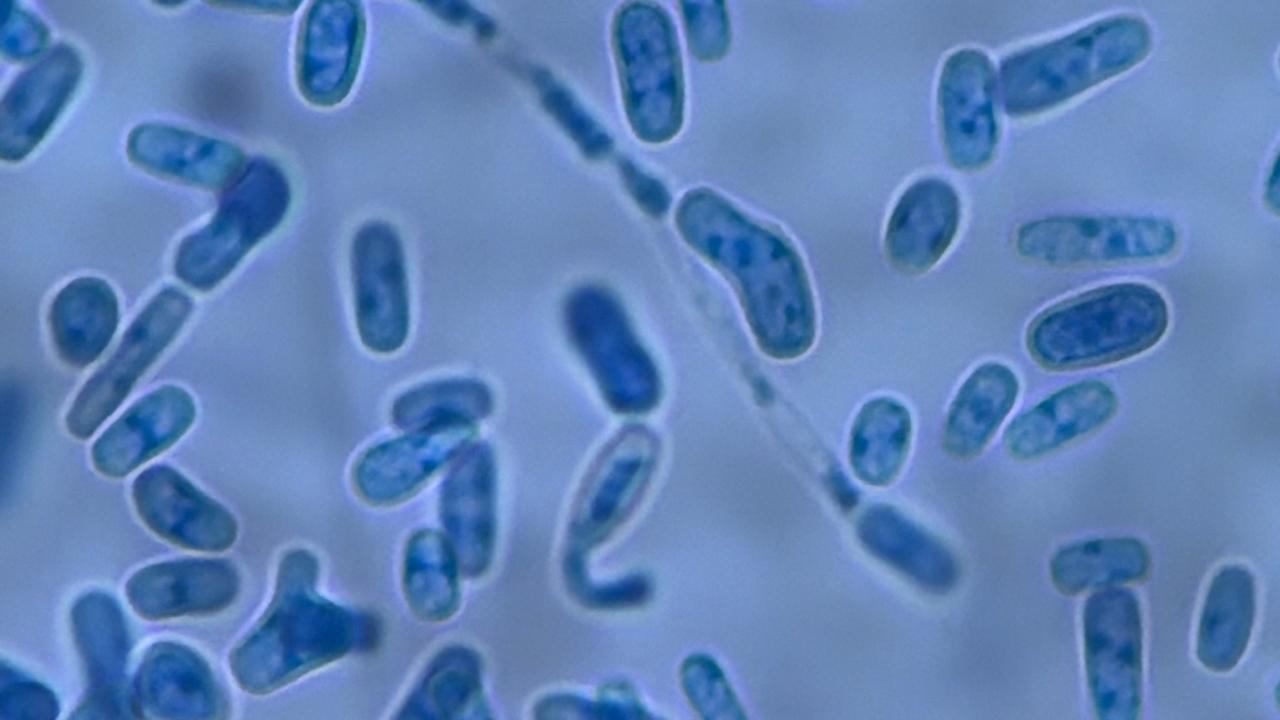
Lacking blastoconidia (budding yeast cells), distinguishing Geotrichum klebahnii from Trichosporon

Introduction Geotrichum klebahnii is a rare, opportunistic, yeast-like fungus that is found globally in environments like soil, dairy products, and organic waste, but can act as an emerging pathogen in humans. Along with Geotrichum candidum, it is one of the only species within its genus …
Read more

Streptococcus mitis: Introduction, Morphology, Pathogenicity, Lab Diagnosis, Treatment, Prevention, and Keynotes

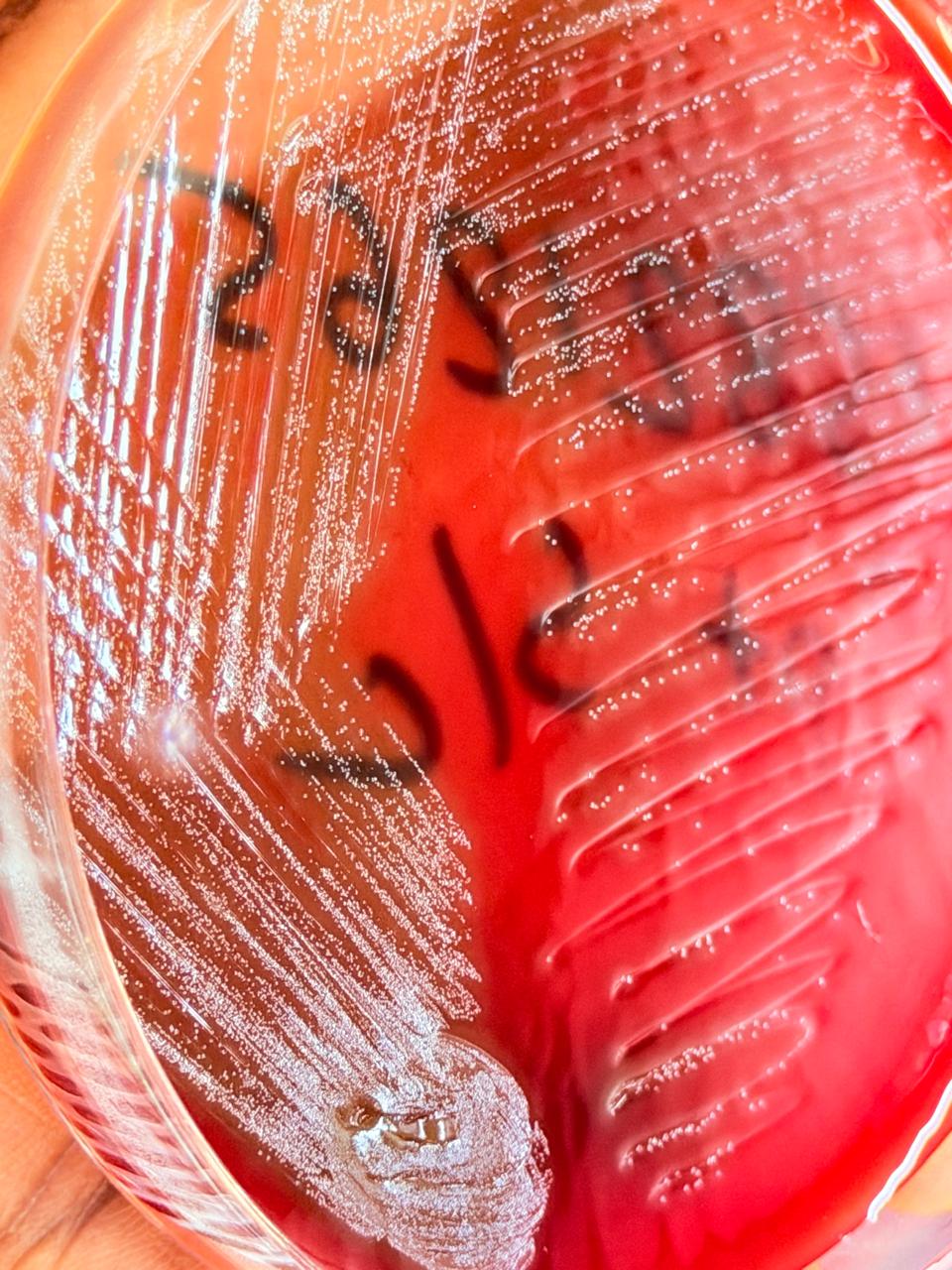
Streptococcus mitis colony morphology on blood agar

Introduction Streptococcus mitis is a Gram-positive, alpha-hemolytic bacterium commonly found as a harmless commensal in the human oral cavity, but it can act as an opportunistic pathogen causing severe infections like infective endocarditis. Morphology Pathogenicity Lab Diagnosis Treatment Prevention Keynotes Further Reading

Anemometer: Introduction, Principle, Handling Procedure, Application, and Keynotes

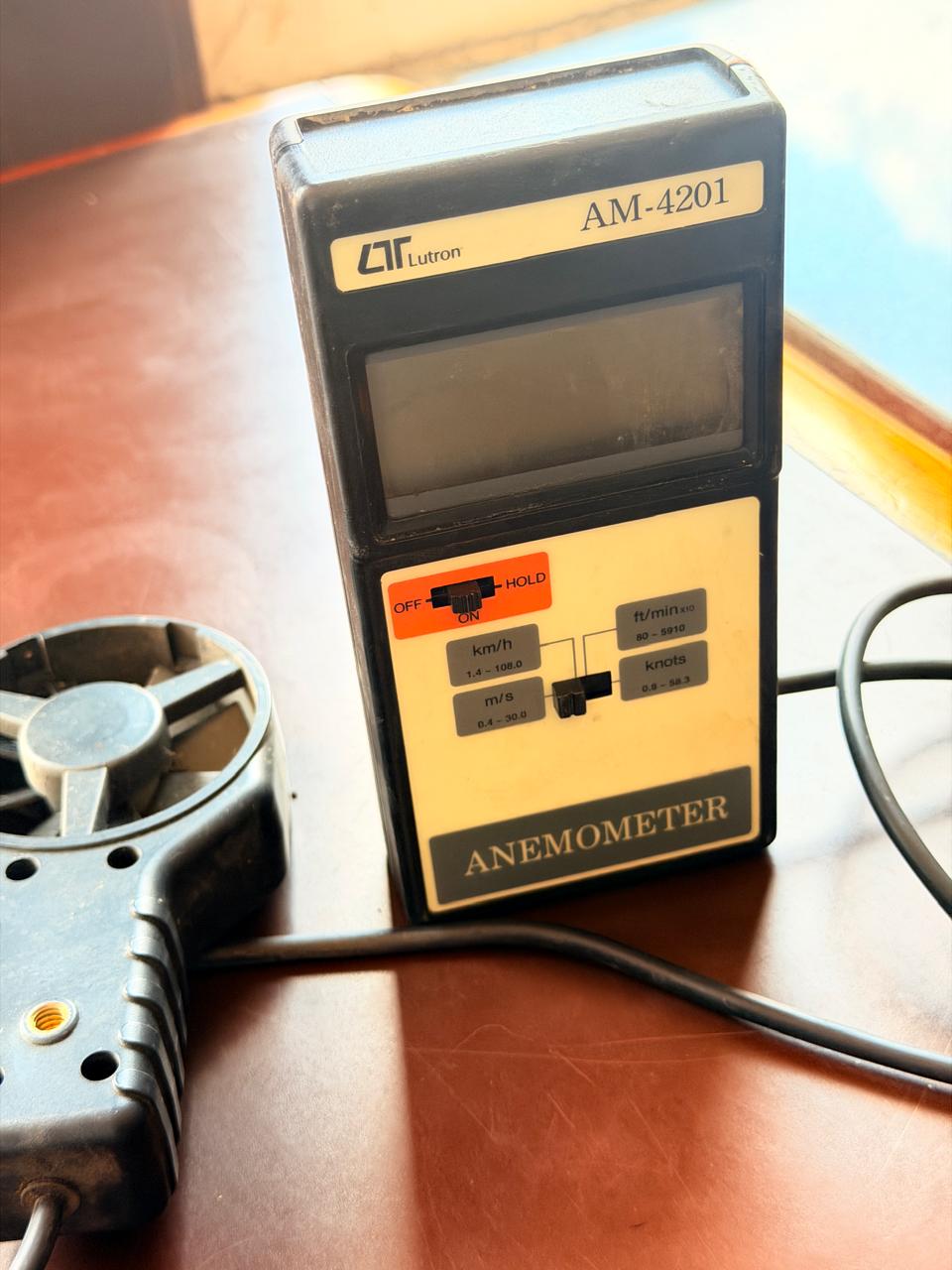
A portable digital vane anemometer used for measuring air velocity across multiple measurement units

Introduction Principle Handling Procedure Application Keynotes Further Readings

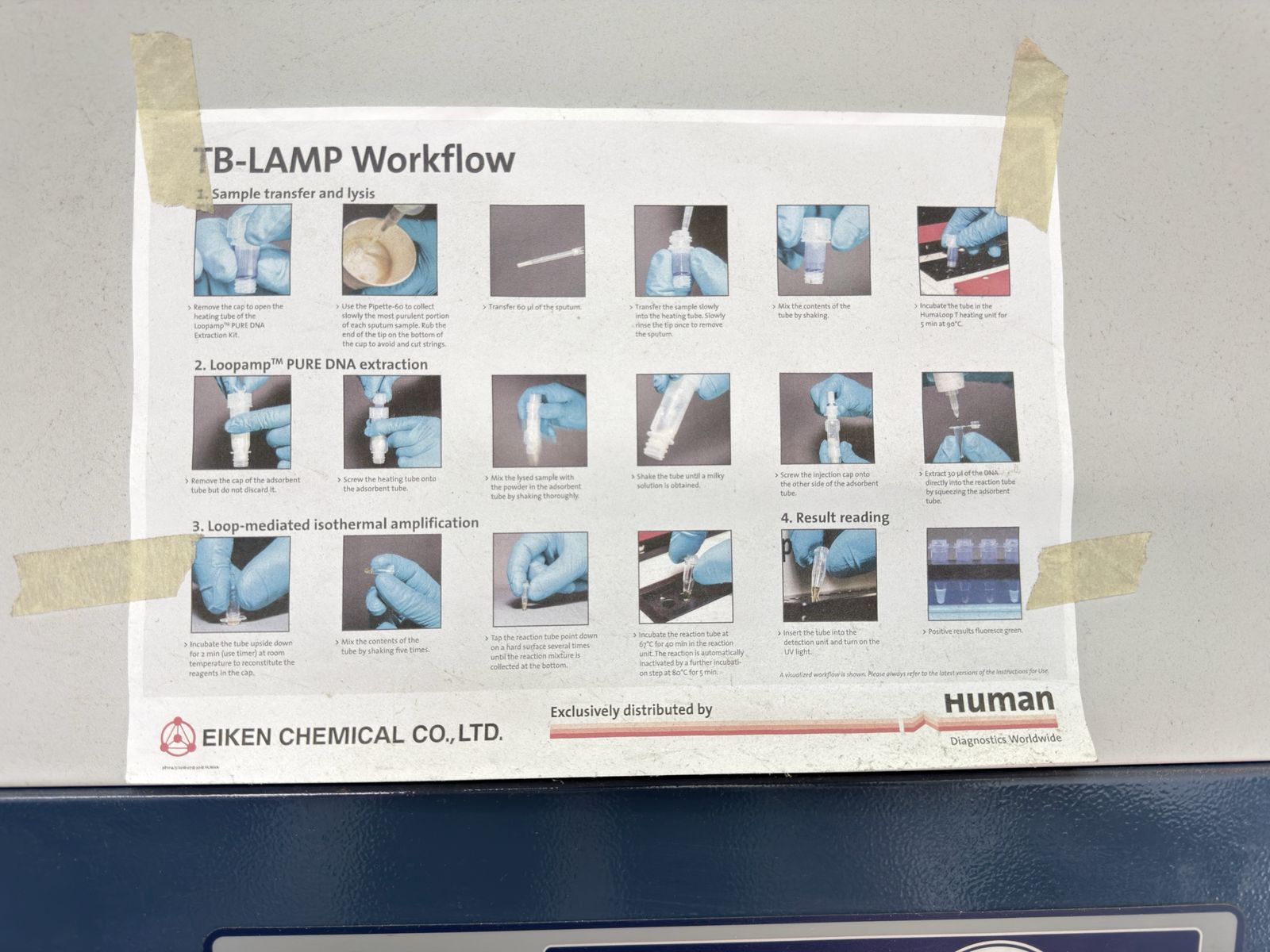
TB-LAMP: Introduction, Principle, Procedure, Result Interpretation, and Keynotes

TB-LAMP Flowchart

Introduction TB-LAMP (Tuberculosis Loop-Mediated Isothermal Amplification) is a manual, rapid molecular diagnostic test endorsed by the World Health Organization (WHO) to detect the Mycobacterium tuberculosis complex (MTBC) in sputum samples. It serves as a highly sensitive alternative to traditional sputum smear microscopy, particularly optimized for …

Read more

NALC -NAOH Preparation for Tuberculosis Lab: Introduction, Procedure, Application, and Keynotes

NALC -NAOH Preparation for Tuberculosis Lab- Introduction, Procedure, Application, and Keynotes

Introduction The NALC-NaOH (N-acetyl-L-cysteine–sodium hydroxide) method is the gold standard for processing clinical specimens in mycobacteriology laboratories. It prepares contaminated samples (like sputum) for successful culture on liquid media (such as the BD BACTEC™ MGIT™ 960) and solid media. Clinical samples from non-sterile sites naturally …

Read more

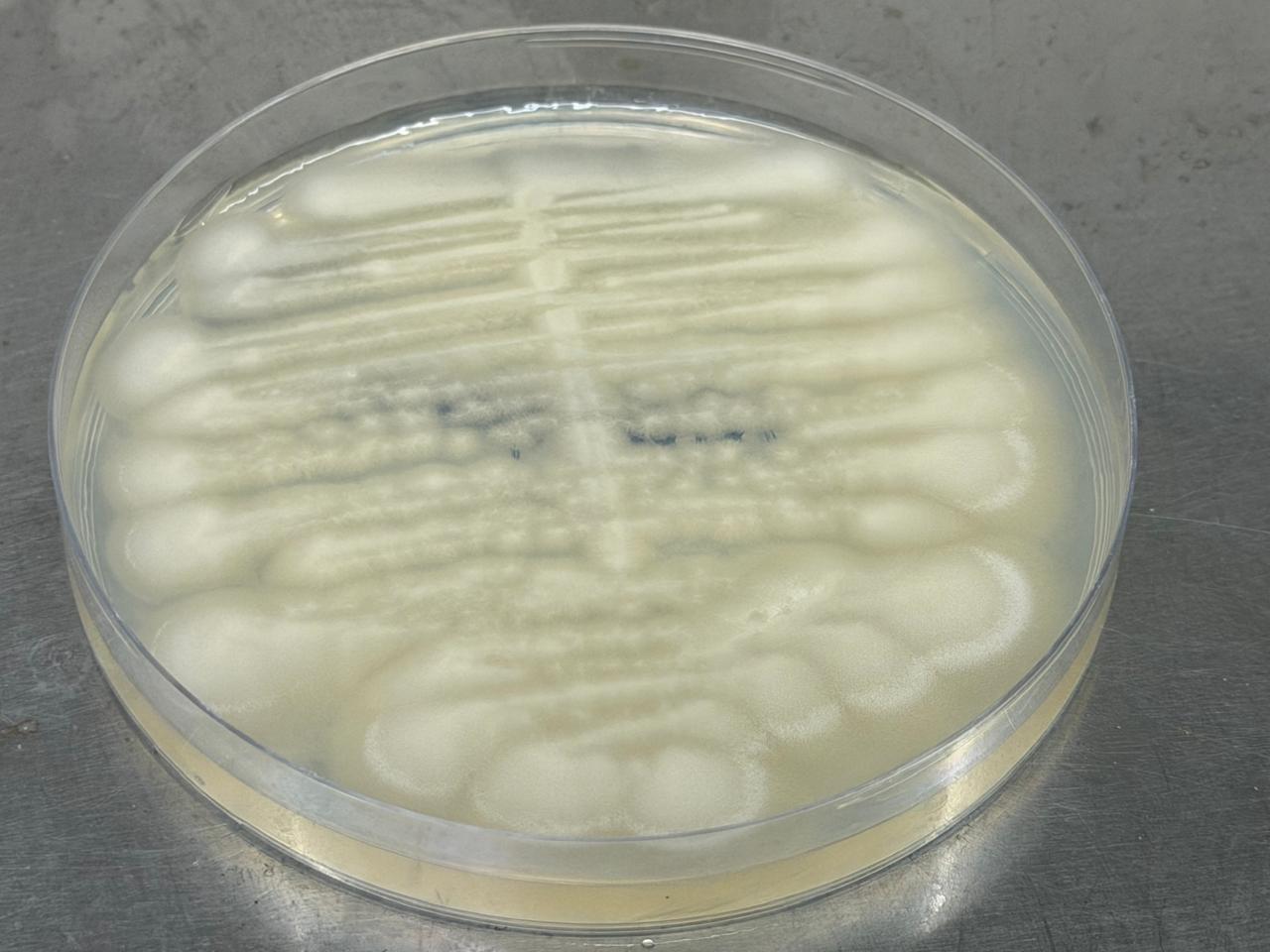
Trichosporon species: Introduction, Morphology, Medically Important Species, Pathogenicity, Lab Diagnosis, Treatment, Prevention, and Keynotes

A plastic petri dish containing a light-yellowish, finely wrinkled (cerebriform) and dry Trichosporon microbial culture with a flat, mealy (farinose) covering on PDA agar

Introduction Trichosporon is a genus of anamorphic, yeast-like basidiomycetous fungi widely distributed in nature, particularly in tropical and temperate regions. First identified by Beigel in 1865, it commonly exists as a saprophytic organism in soil, water, plants, and animal droppings. In humans, it is a …

Read more

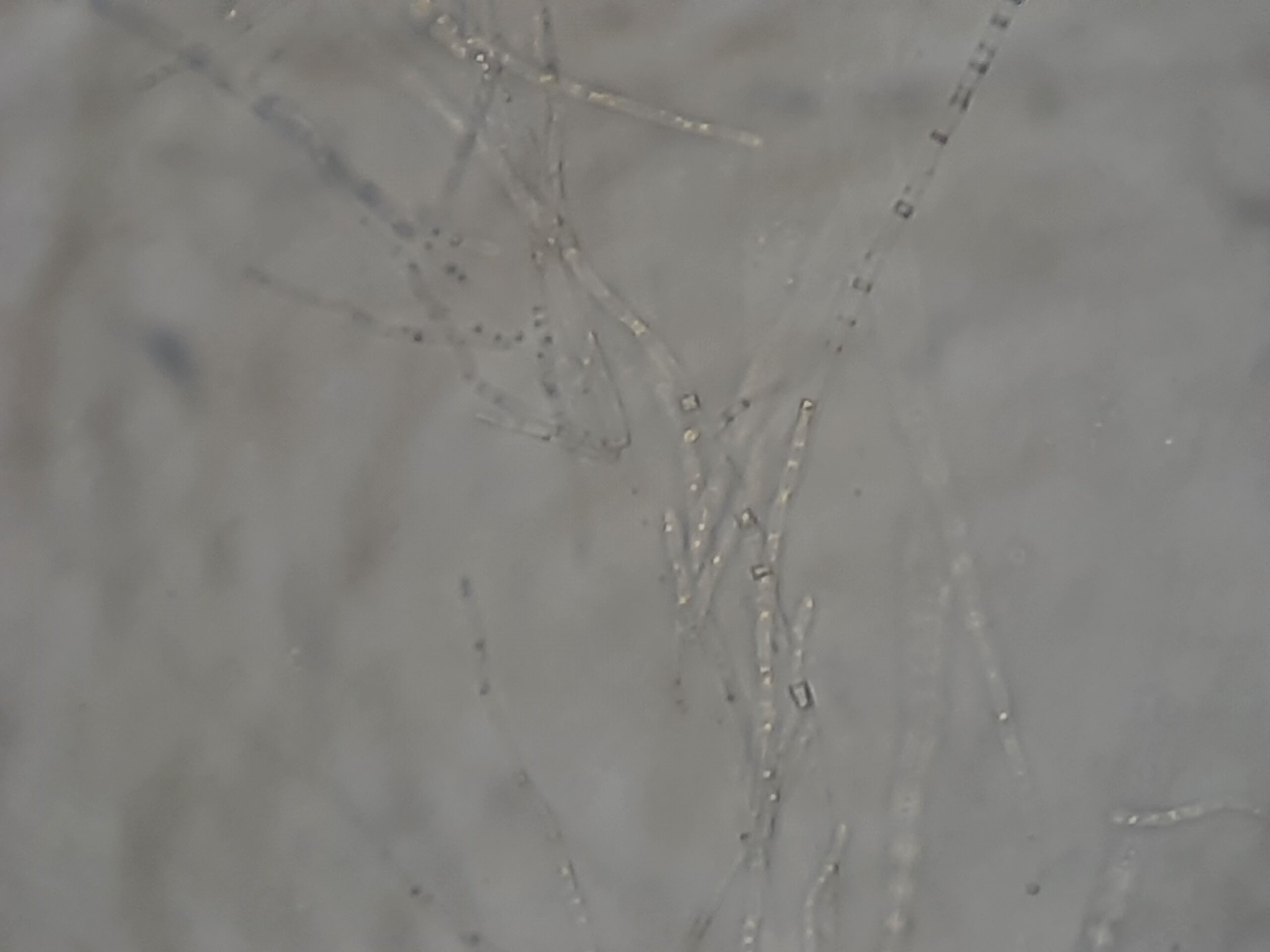
Saprochaete capitata:Introduction, Morphology, Pathogenicity, Lab Diagnosis, Treatment, Prevention, and Keynotes

Saprochaete capitata in Dalmau plate technique microscopic footage

Introduction Saprochaete capitata is an emerging opportunistic fungal pathogen that causes severe, frequently fatal systemic infections in profoundly immunocompromised individuals. It is notorious for its intrinsic resistance to echinocandins and high resistance to fluconazole, which often results in breakthrough fungemia during standard empirical antifungal therapy. …

Read more

CRISPR/Cas9: Introduction, Application, and Keynotes

Introduction and  Mechanism CRISPR stands for Clustered Regularly Interspaced Short Palindromic Repeats. In nature, bacteria use this system as adaptive immunity against viruses by saving a memory of viral DNA. The engineered laboratory tool consists of two fundamental components: Once Cas9 cuts the DNA, the …

Read more