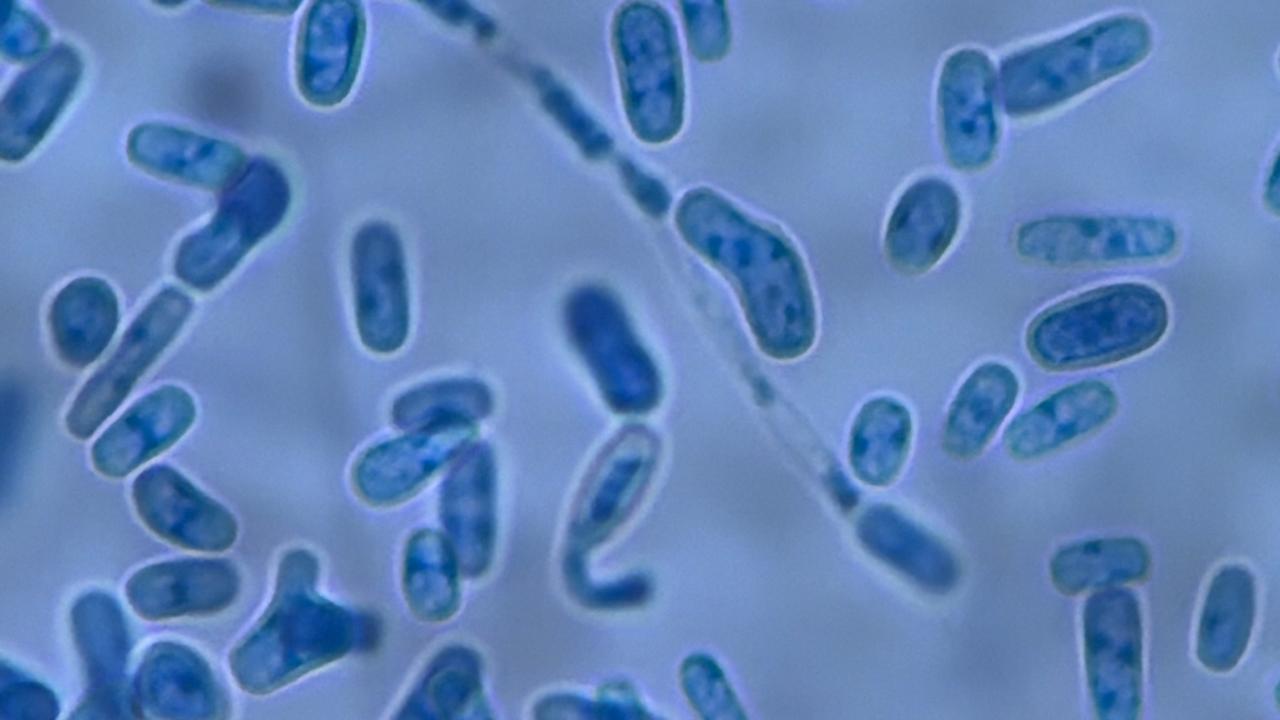
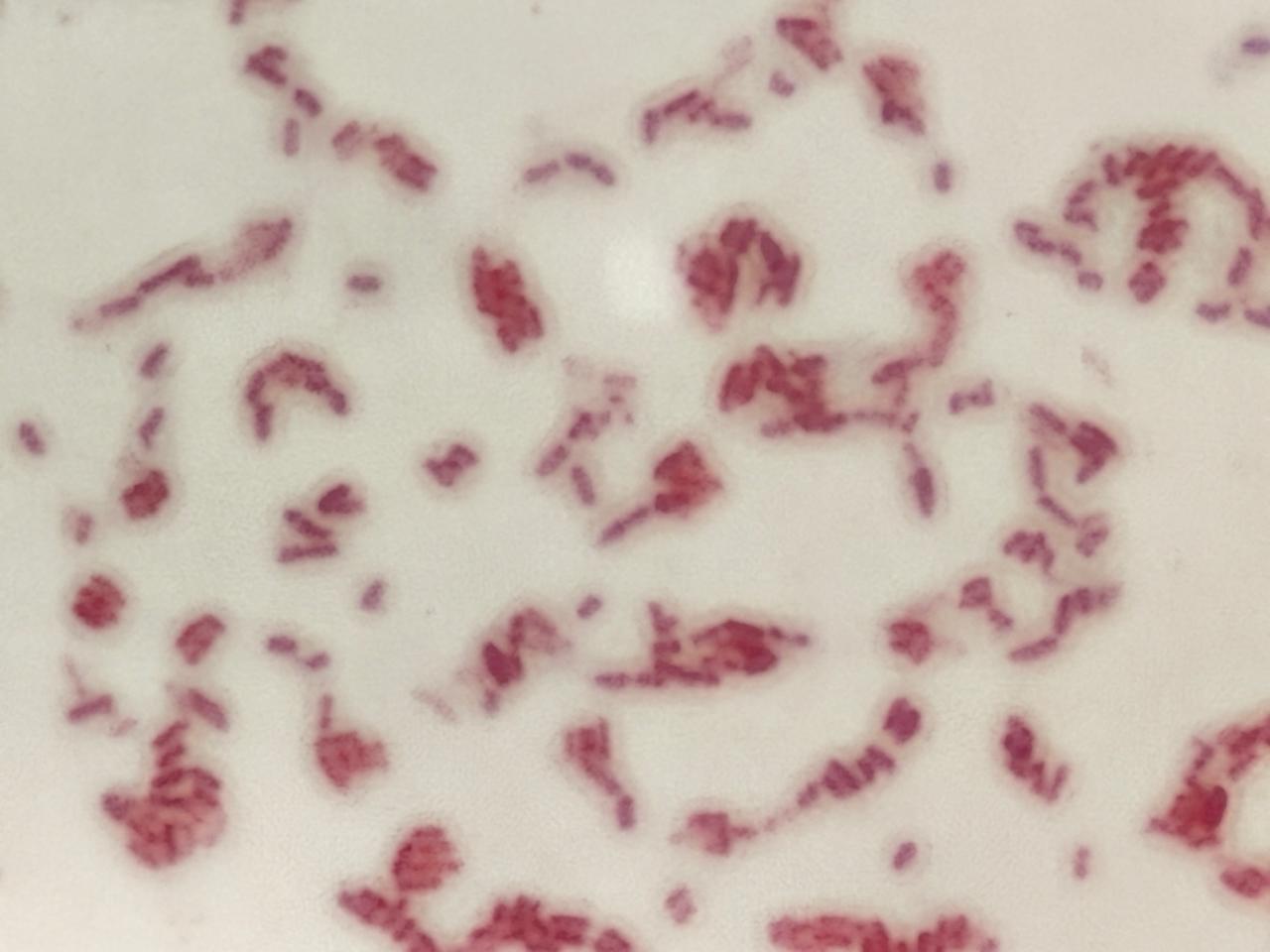
Sphingomonas paucimobilis-Introduction, Morphology, Pathogenicity, Lab Diagnosis, Treatment, Prevention, and Keynotes
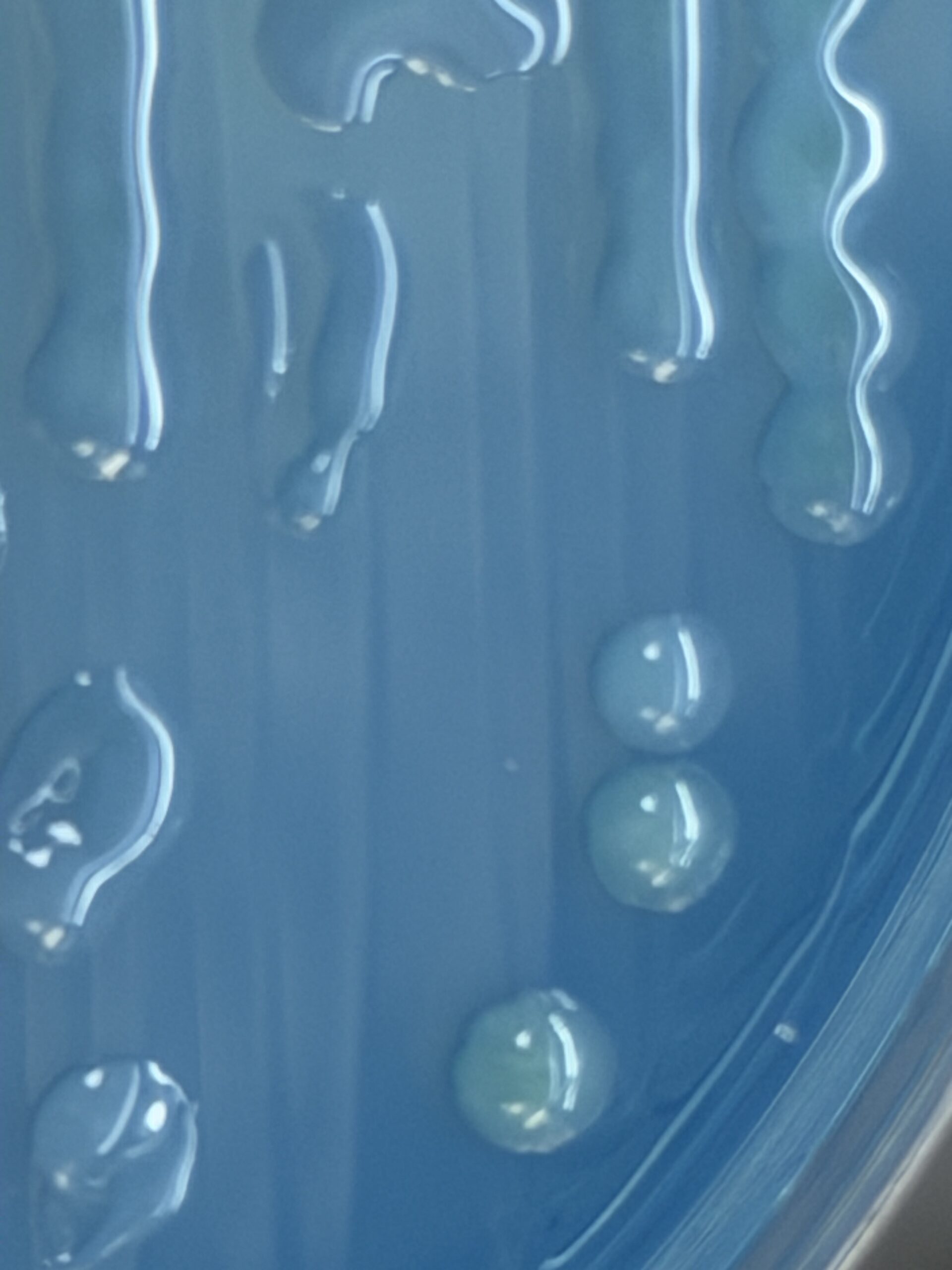
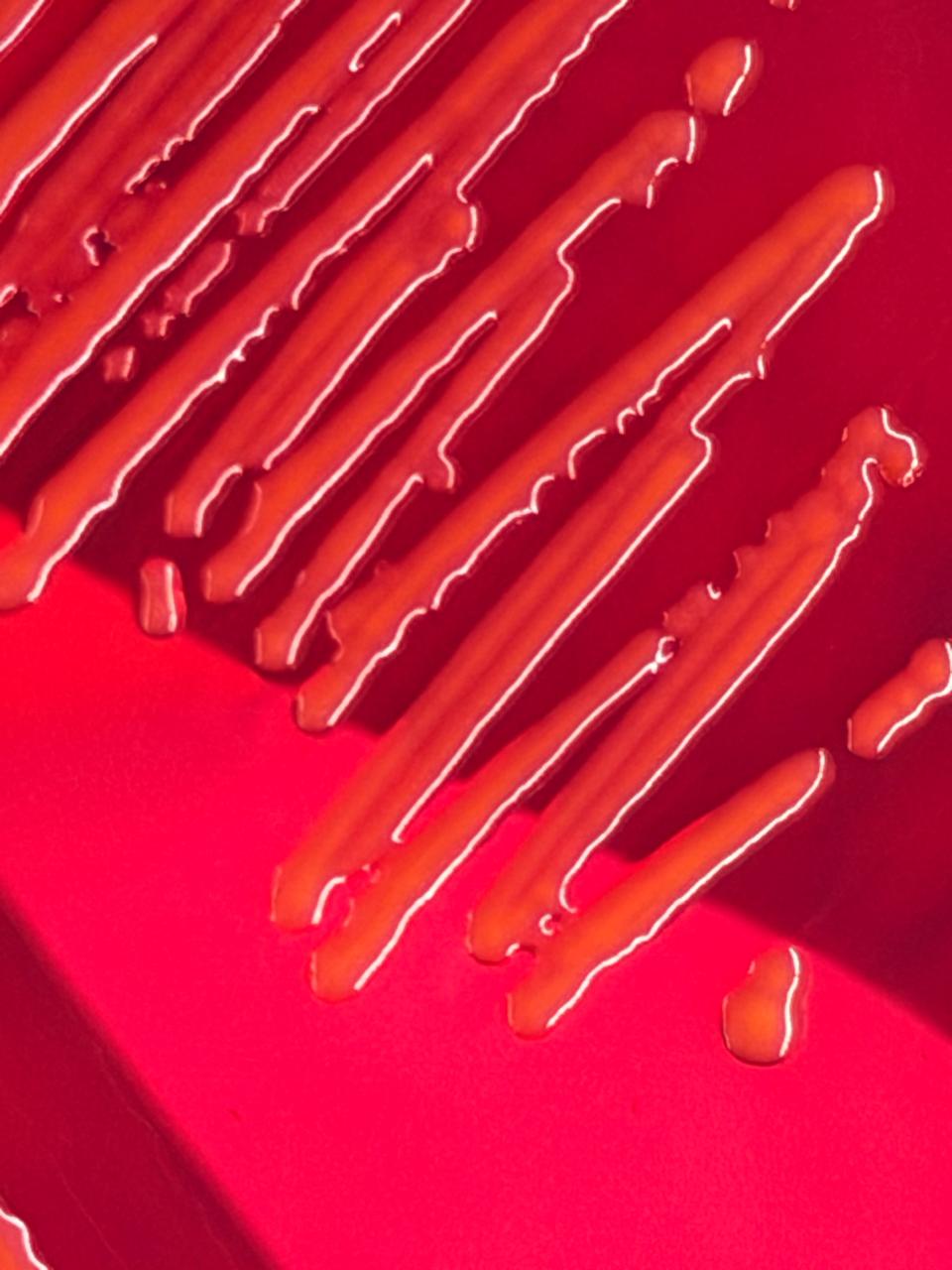
Sphingomonas paucimobilis colony morphology on CLED agar

Introduction Sphingomonas paucimobilis (formerly classified as Pseudomonas paucimobilis) is a strictly aerobic, non-fermenting, Gram-negative bacillus. It is an environmental oligotroph found widely in soil and water systems. It serves as a stealthy opportunistic pathogen in clinical settings. It can survive in nutrient-poor conditions and form …

Read more

Acinetobacter baumannii complex-Introduction, Species in this group, Morphology, Pathogenicity, Lab Diagnosis, Treatment, Prevention, and Keynotes

Gram-negative coccobacilli (often in pairs) of Acinetobacter baumannii complex

Introduction The Acinetobacter baumannii complex (ABC) is a group of highly resilient, opportunistic Gram-negative bacteria that pose a critical threat in healthcare settings. Classified as an “ESKAPE” pathogen, it is a leading cause of severe hospital-acquired (nosocomial) infections. The World Health Organization (WHO) categorizes carbapenem-resistant …

Read more

CRISPR/Cas9: Introduction, Application, and Keynotes

Introduction and  Mechanism CRISPR stands for Clustered Regularly Interspaced Short Palindromic Repeats. In nature, bacteria use this system as adaptive immunity against viruses by saving a memory of viral DNA. The engineered laboratory tool consists of two fundamental components: Once Cas9 cuts the DNA, the …

Read more

TOP 10 Bacterial Diseases: Introduction, List, Pathogenicity, Lab Diagnosis, Treatment, Prevention, and Keynotes

Introduction to Bacterial Diseases Bacterial diseases are illnesses caused by pathogenic bacteria entering the body, multiplying, and releasing toxins that damage host tissues. These pathogens spread through contaminated food, water, airborne droplets, sexual contact, or vectors. Despite the advent of antibiotics, bacterial infections remain a …

Read more

HVAC Vs HEPA Filters: Introduction, Comparison, and Keynotes

HVAC Vs HEPA Filters-Introduction, Comparison, and Keynotes

Introduction The fundamental difference is that standard HVAC filters are primarily designed to protect heating and cooling equipment, whereas HEPA filters are designed to purify the air for human health. Direct Comparison Feature Standard HVAC Filters (MERV 8–13) HEPA Filters (MERV 17–20 equivalent) Primary Purpose …

Read more

HVAC Filters-Introduction, Principle, Working Mechanism, Application, and Keynotes

Introduction to HVAC Filters Air filters act as the first line of defense in an HVAC system. As air continuously circulates through a building, it carries invisible particulate matter, including dust, pollen, pet dander, mold spores, and bacteria. Without an air filter, these particles settle …

Read more

Air Handling Unit (AHU)-Introduction, Principle, Working Mechanism, Application, and Keynotes

Introduction An Air Handling Unit (AHU) is the heart of a building’s Heating, Ventilation, and Air Conditioning (HVAC) system. It regulates and circulates air to maintain comfortable indoor environments. An AHU is a large metal box containing various components to condition indoor air. It collects …

Read more

HEPA Vs ULPA Filters: Introduction, Comparison, and Keynotes

HEPA filter (High-Efficiency Particulate Air) present in this biosafety cabinet

Introduction to the Filters Direct Comparison The critical trade-offs between HEPA and ULPA filtration systems are outlined below: Feature HEPA Filters ULPA Filters Efficiency Rating 99.97%efficiency 99.999%efficiency Target Particle Size 0.3 µm (Most Penetrating Particle Size) 0.12 µm or larger Airflow Resistance Lower static pressure …

Read more