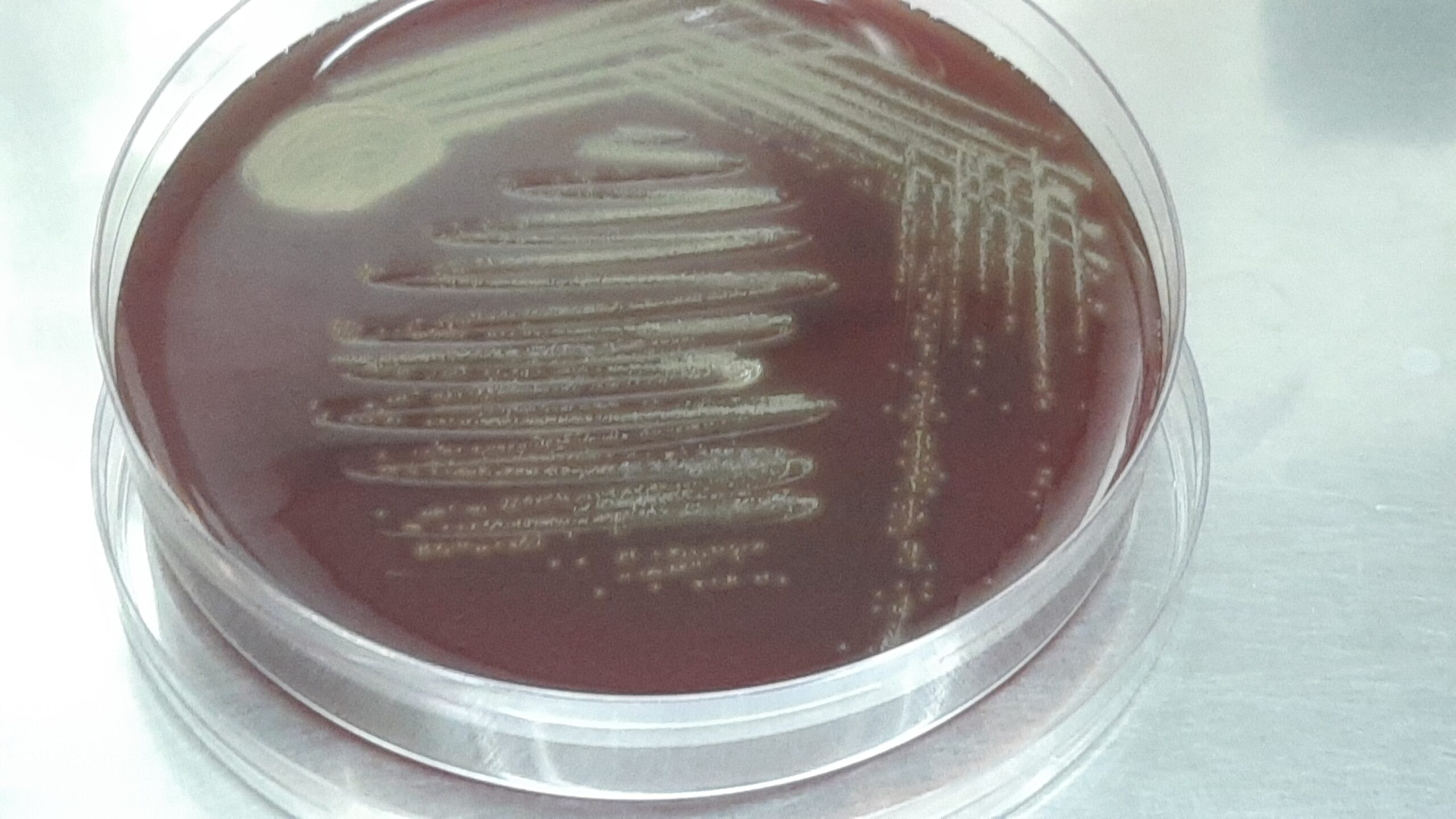
Comparative Analysis of Capsule Expression in Cryptococcus neoformans: India Ink Visualization from Clinical CSF Samples versus SDA Agar Cultures

Cryptococcus neoformans capsules in India Ink Preparation of Culture of organisms

Introduction of India Ink preparation Cryptococcus neoformans is an encapsulated yeast that causes cryptococcal meningitis, particularly in immunocompromised individuals. The capsule is a critical virulence factor, and its visualization is essential for diagnosis. This preparation is a common method used to visualize the capsule. Here, …

Read more

Presence of Numerous Pus Cells Without Detectable Microbes in Gram-Stained Sputum: Introduction, Diagnostic Implications, and Clinical Considerations

Presence of Numerous Pus Cells Without Detectable Microbes in Gram-Stained Sputum: Introduction, Diagnostic Implications, and Clinical Considerations

Introduction Gram staining is a routine diagnostic tool for respiratory infections. It reveals bacteria in sputum samples. Occasionally, Gram staining shows numerous pus cells but no microbes. This finding raises several clinical questions and concerns. Pus cells indicate an inflammatory response. They suggest a possible …

Read more

Enterococcus gallinarum – Introduction, Morphology, Pathogenicity, Lab Diagnosis, Treatment, Prevention, and Keynotes

E. gallunarum in Gram stain of culture showing Gram positive cocci in pairs

Introduction Enterococcus gallinarum is a Gram-positive, facultatively anaerobic bacterium. It naturally inhabits the intestines of humans and animals. This bacterium exhibits intrinsic resistance to vancomycin. It can cause infections in immunocompromised patients. It is associated with urinary tract infections and bacteremia. Proper laboratory techniques are …

Read more

Gemella morbillorum-Introduction, Morphology, Pathogenicity, Lab Diagnosis, Treatment, Prevention, and Keynotes

Gemella morbillorum in Gram staining of culture microscopy

Introduction Gemella morbillorum is a gram-positive bacterium, typically found in the human mouth, throat, and respiratory tract. It occasionally causes infections, particularly in immunocompromised individuals or those with underlying health conditions. Common infections include endocarditis, bacteremia, and abscesses. Notably, it can lead to serious complications …

Read more

Raoultella ornithinolytica: Introduction, Morphology, Pathogenicity, Lab Diagnosis, Treatment, Prevention, and Keynotes

Routella ornithinolytica lactose fermenting colony on MacConkey agar

Introduction Raoultella ornithinolytica is a Gram-negative, encapsulated, non-motile, rod-shaped bacterium belonging to the family Enterobacteriaceae. Originally classified under the genus Klebsiella, it has been reclassified due to its distinct biochemical properties, including the ability to metabolize ornithine. This bacterium is commonly found in water, soil, …

Read more

Streptococcus sanguinis-Introduction, Morphology, Pathogenicity, Lab Diagnosis, Treatment, Prevention, and Keynotes

Streptococcus sanguinis colony morphology on blood agar of urine culture

Introduction Streptococcus sanguinis is a Gram-positive bacterium belonging to the Streptococcaceae family. It is a commensal bacterium commonly found in the human oral cavity and is part of the normal oral microbiota. While it generally coexists peacefully with its host, S. sanguinis can also play …

Read more

Gemella-Introduction, Morphology, Pathogenicity, Lab Diagnosis, Treatment, Prevention, and Keynotes

Gemella morbillorum colony morphology on blood agar of blood culture

Introduction Gemella is a genus of bacteria that is part of the normal flora of the human body, particularly found in the oral cavity, gastrointestinal tract, and upper respiratory tract. These bacteria are typically harmless but can be opportunistic pathogens, especially in individuals with compromised …

Read more

PPLO Agar- Introduction, Composition, Principle, Preparation Requirements, Test Procedure, Result -Interpretation, Uses, and Keynotes

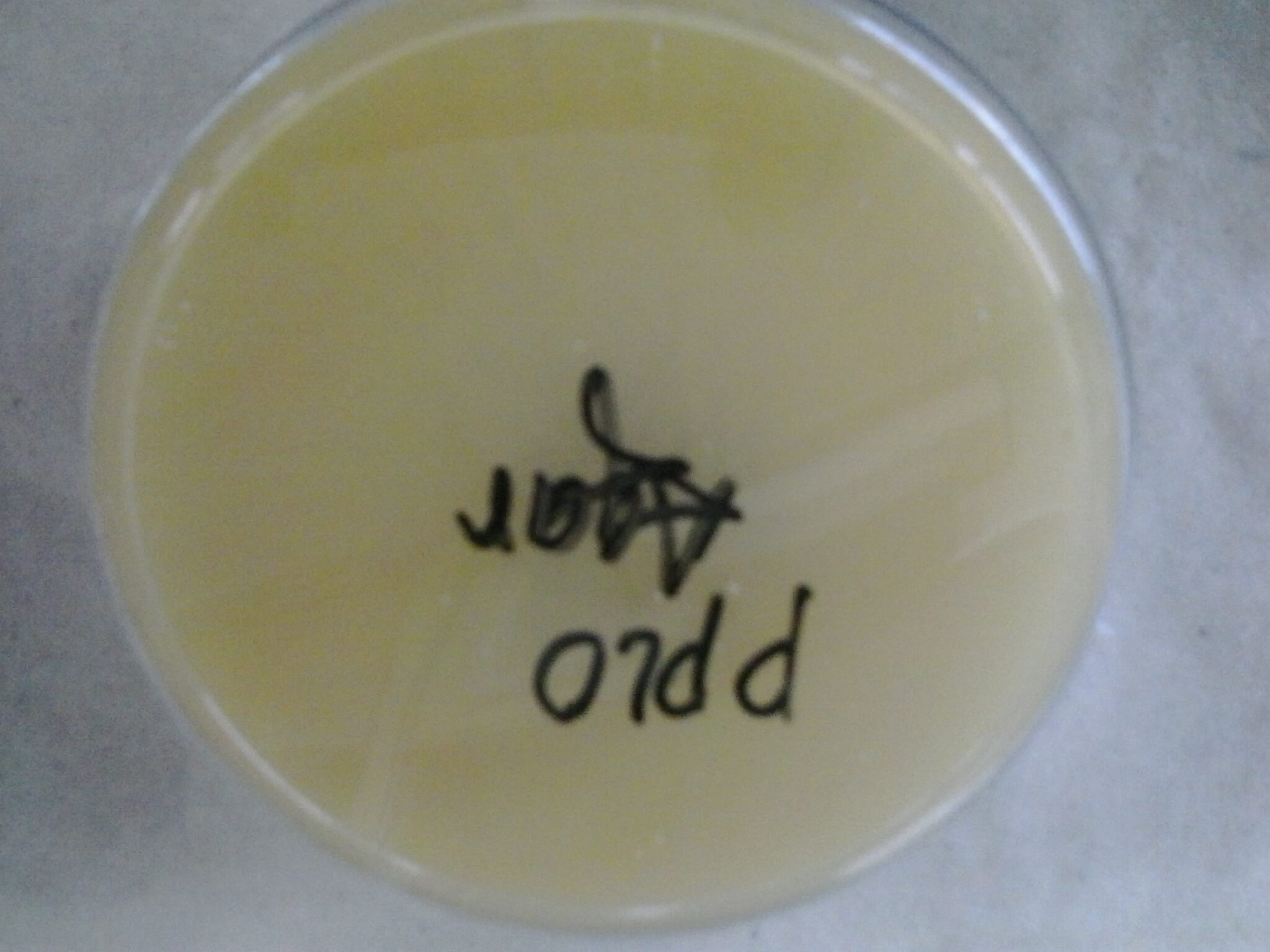
PPLO Agar- Introduction, Composition, Principle, Preparation Requirements, Test Procedure, Result -Interpretation, Uses, and Keynotes

Introduction PPLO (Pleuropneumonia-Like Organisms) Agar is a specialized growth medium used primarily for the cultivation of Mycoplasma. Mycoplasma species are unique prokaryotes that lack a cell wall and, therefore, have specific nutritional requirements that are provided by the PPLO agar. Components of PPLO Agar: Characteristics …

Read more