Pichia kudriavzevii-Introduction, Morphology, Pathogenicity, Lab Diagnosis, Treatment, Prevention, and Keynotes

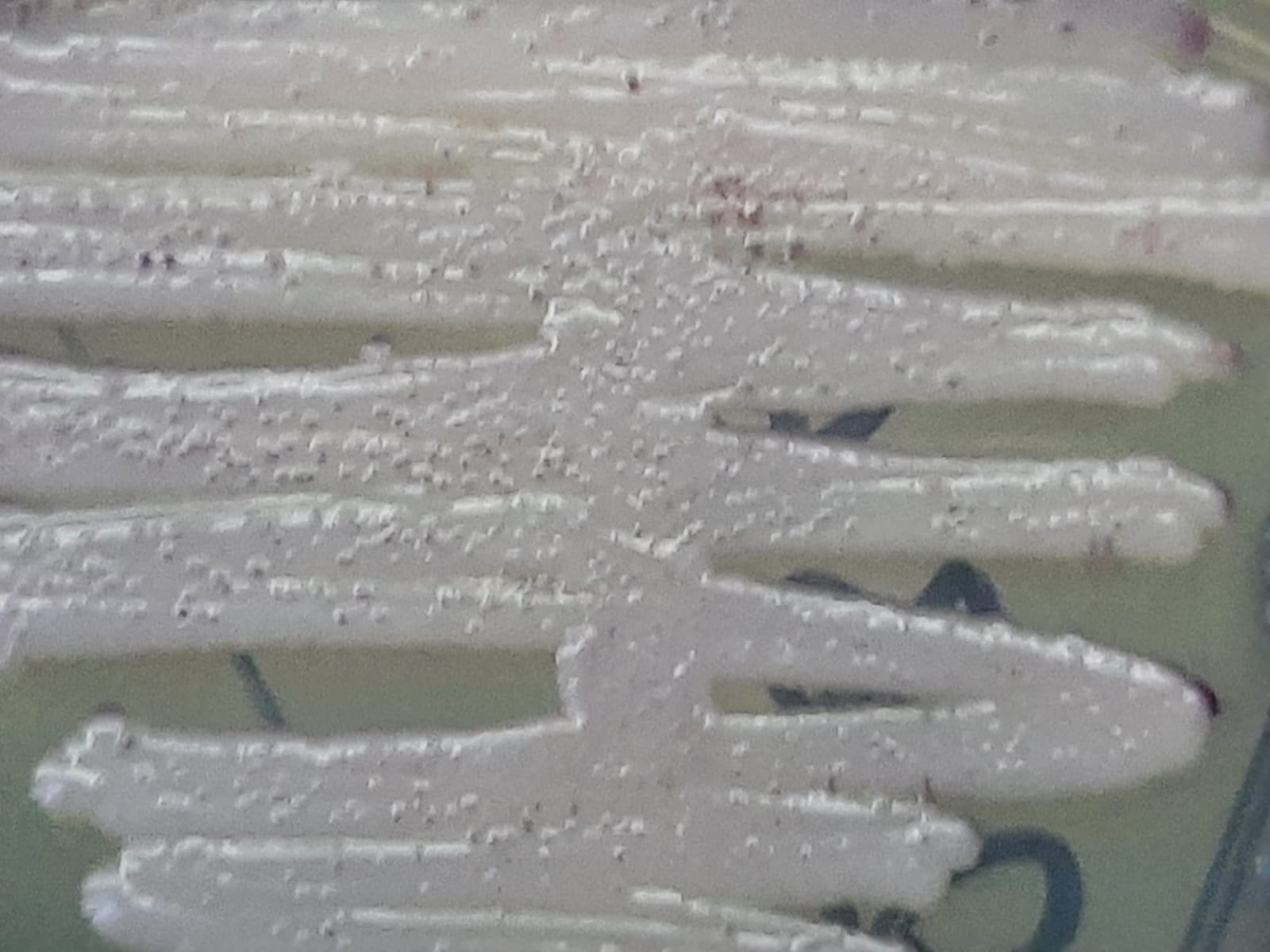
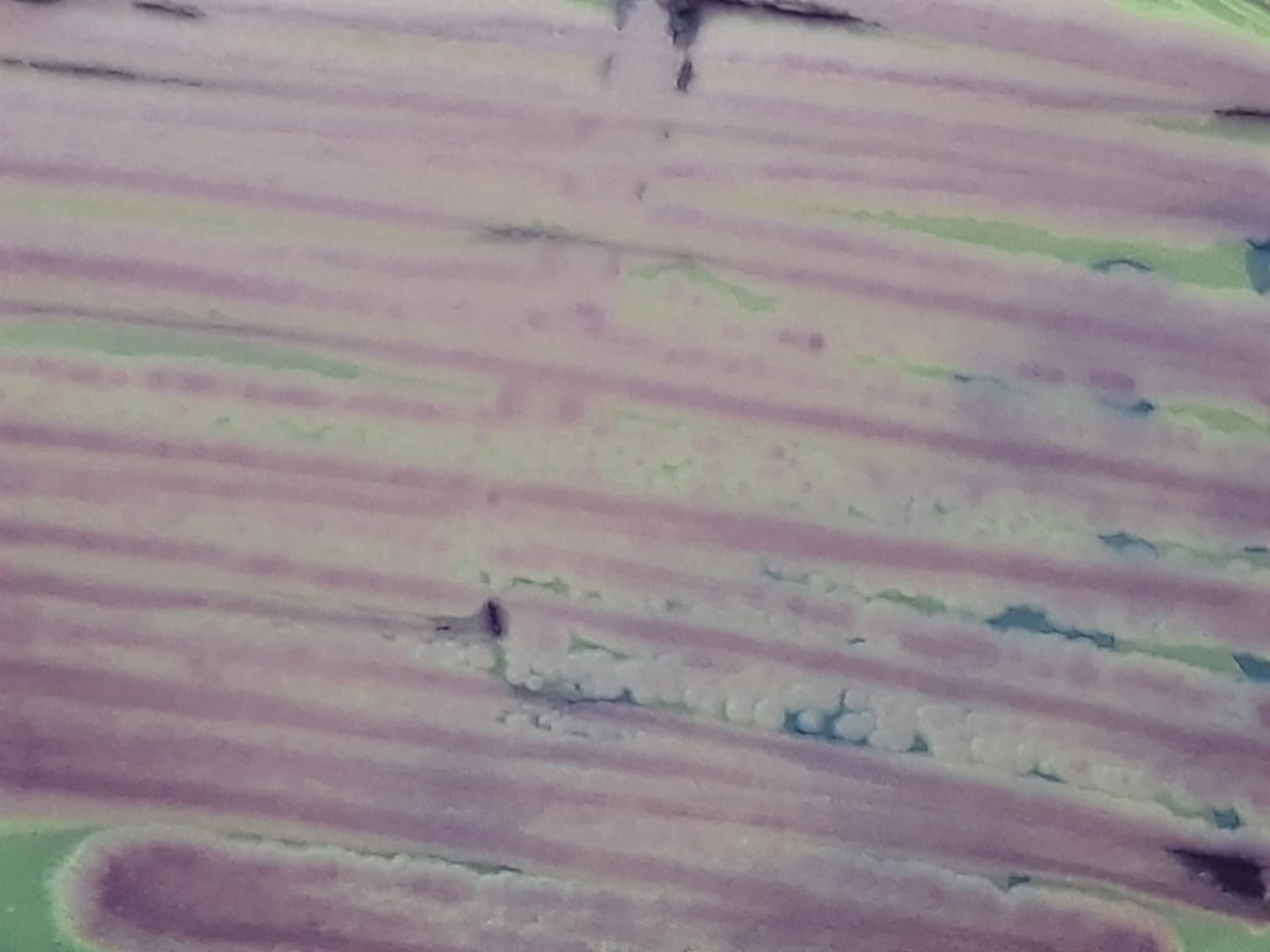
Pichia kudriavzevii growth on HiCrome Candida Differential Agar

Introduction Pichia kudriavzevii, formerly known as Candida krusei, is a unique budding yeast that holds a dual status as both a critical industrial organism and an emerging opportunistic pathogen.  Taxonomy: It is the teleomorph (sexual state) of Candida krusei. It has also been historically known as Issatchenkia orientalis. …

Read more

Transforming Infectious Disease Diagnostics with tNGS Technology

In the world of modern diagnostics, speed, accuracy, and comprehensiveness are critical—especially when dealing with complex infections. The latest advancements in targeted next-generation sequencing (tNGS) are redefining how laboratories detect pathogens and manage antimicrobial resistance (AMR). At the core of this innovation is HyPA (Hyperplex …

Read more

Unmasking Fungal Pathogens: A Deep Dive into the MYCOscreen18 PCR Panel

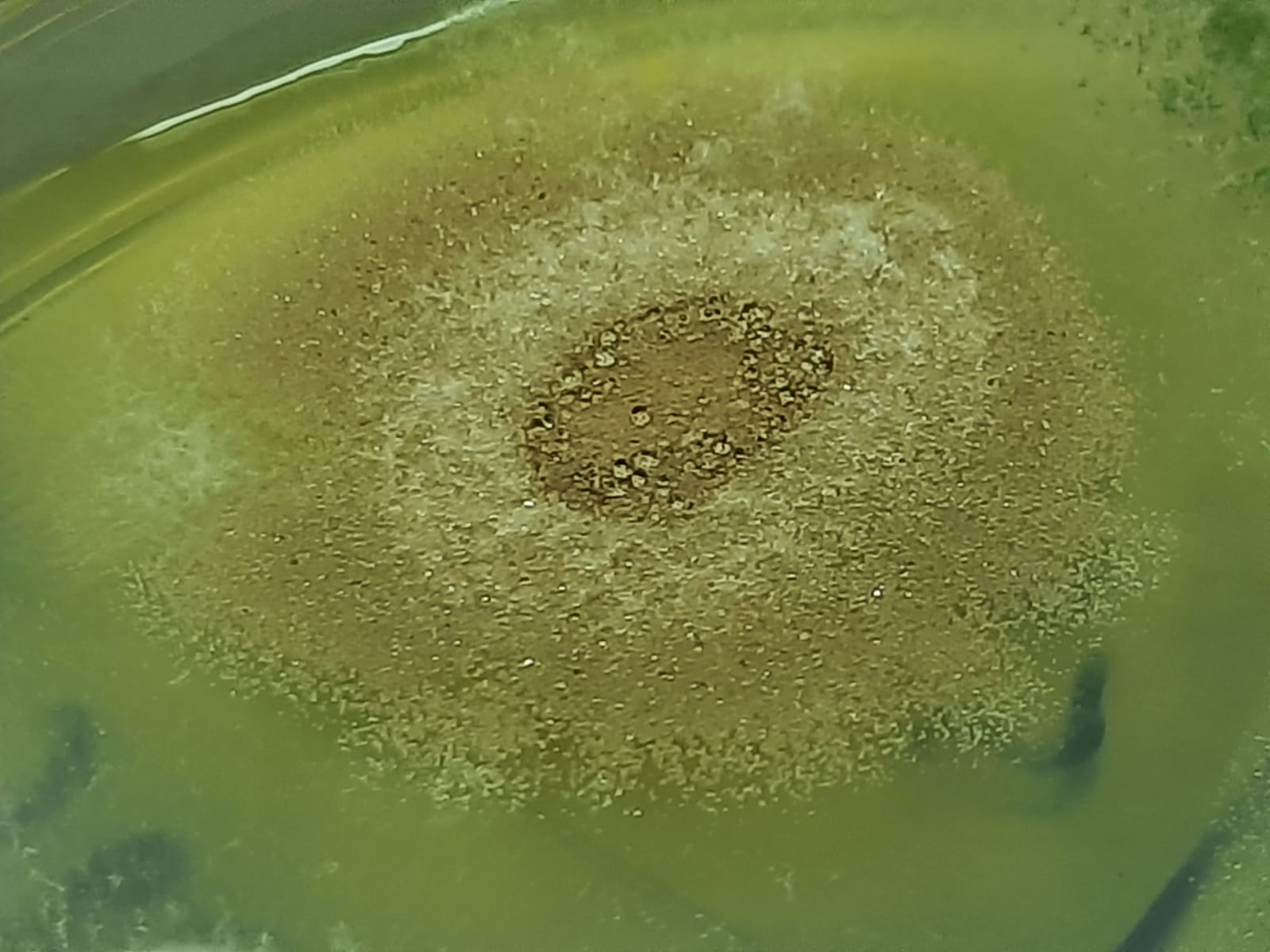
Fungal growth on SDA

Introduction to MYCOscreen18 PCR Panel Identifying fungal infections quickly and accurately is a critical challenge in clinical diagnostics. Traditional culture methods can take weeks, often delaying life-saving treatments. Enter the MYCOscreen18 Fungus PCR Panel Kit by Genient—a multiplexed qPCR solution designed to detect and identify …

Read more

Advanced Molecular Fungal Diagnostics: Bridging the Gap in Clinical Mycology

Fungal infections represent a growing global health challenge, causing over 1.7 million deaths annually, with nearly 75% of cases remaining undiagnosed or diagnosed too late. The increasing burden of antifungal resistance (AMR) further complicates treatment outcomes, highlighting an urgent need for rapid, accurate, and comprehensive …

Read more

Molecular Typing of Fungi: Introduction, Common Molecular Typing Method, and Application

Various Candida species growth on HiCrome Candida Differential Agar

Introduction Molecular typing of fungi uses DNA-based methods to identify species and differentiate strains for clinical, epidemiological, and environmental studies. Key techniques include Internal Transcribed Spacer (ITS) sequencing (the standard for identification), Multilocus Sequence Typing (MLST), restriction fragment length polymorphism (RFLP), and Whole Genome Sequencing (WGS). These methods are crucial for tracking …

Read more

VITEK MS Prime: Introduction, Principle, Components, Procedure, Result -Interpretation, Application, and Keynotes

VITEK MS Prime Introduction, Principle, Components, Procedure, Result -Interpretation, Application, and Keynotes

Introduction The VITEK MS PRIME is a benchtop, high-throughput automated identification system that works on the principle of Matrix-Assisted Laser Desorption Ionization-Time of Flight (MALDI-TOF) mass spectrometry. It is applicable to enhance laboratory workflow for the rapid identification of microbes like bacteria, yeasts, molds, and mycobacteria.  Principle …

Read more

HiCrome Candida Differential Agar: Introduction, Principle, Test Requirement, Procedure, Result-Interpretation, and Keynotes
Various Candida species growth on HiCrome Candida Differential Agar after 4 days of incubation

Introduction HiCrome™ Candida Differential Agar is a specialized chromogenic medium used in clinical microbiology for the rapid isolation and presumptive identification of Candida species. The medium is designed to differentiate between major Candida species—Candida albicans, Candida tropicalis, Candida krusei (Pichia kudriavzevii), and Candida glabrata—based on colony color and morphology within 48 hours. …

Read more

Dalmau Plate Technique: Introduction, Principle, Test Requirements, Procedure, Application, and Keynotes

Dalmau Plate Microscopy at high power field (40X objective)

Introduction The Dalmau plate technique is a classic mycological method used to identify and differentiate yeast species, specifically Candida species, by observing their unique morphological features.  The technique is a specialized culture method that uses a “starvation medium” to induce the formation of characteristic structures like pseudohyphae, blastoconidia, and chlamydospores. It remains …

Read more