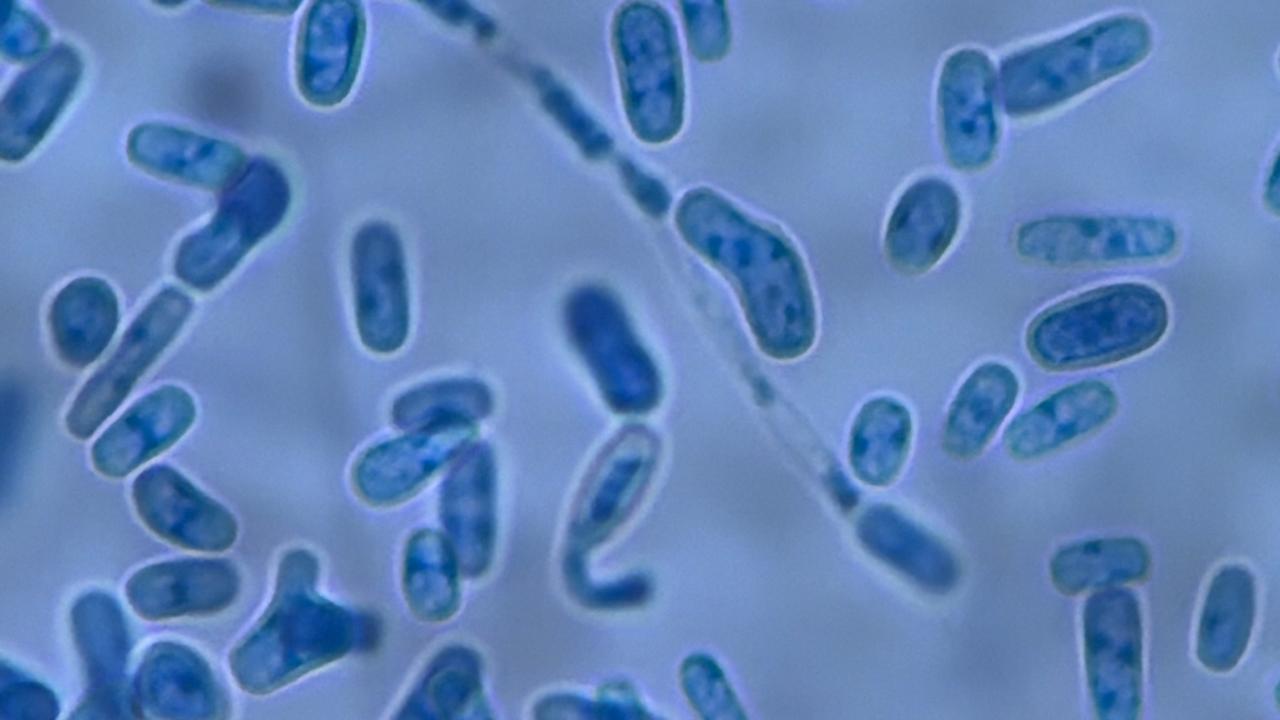
Hantavirus: Introduction, Morphology, Pathogenicity, Lab Diagnosis, Treatment, Prevention, and Keynotes

Introduction Hantaviruses are a group of rodent-borne viruses that cause two main life-threatening diseases in humans: Hantavirus Pulmonary Syndrome (HPS) and Hemorrhagic Fever with Renal Syndrome (HFRS). Unlike many other bunyaviruses, they are not transmitted by insects but primarily through the inhalation of aerosolized rodent …

Read more

Second-Line Drug Susceptibility Testing (SL-DST) for Tuberculosis:Introduction, Principle, Procedure, Result-Interpretation, and Keynotes

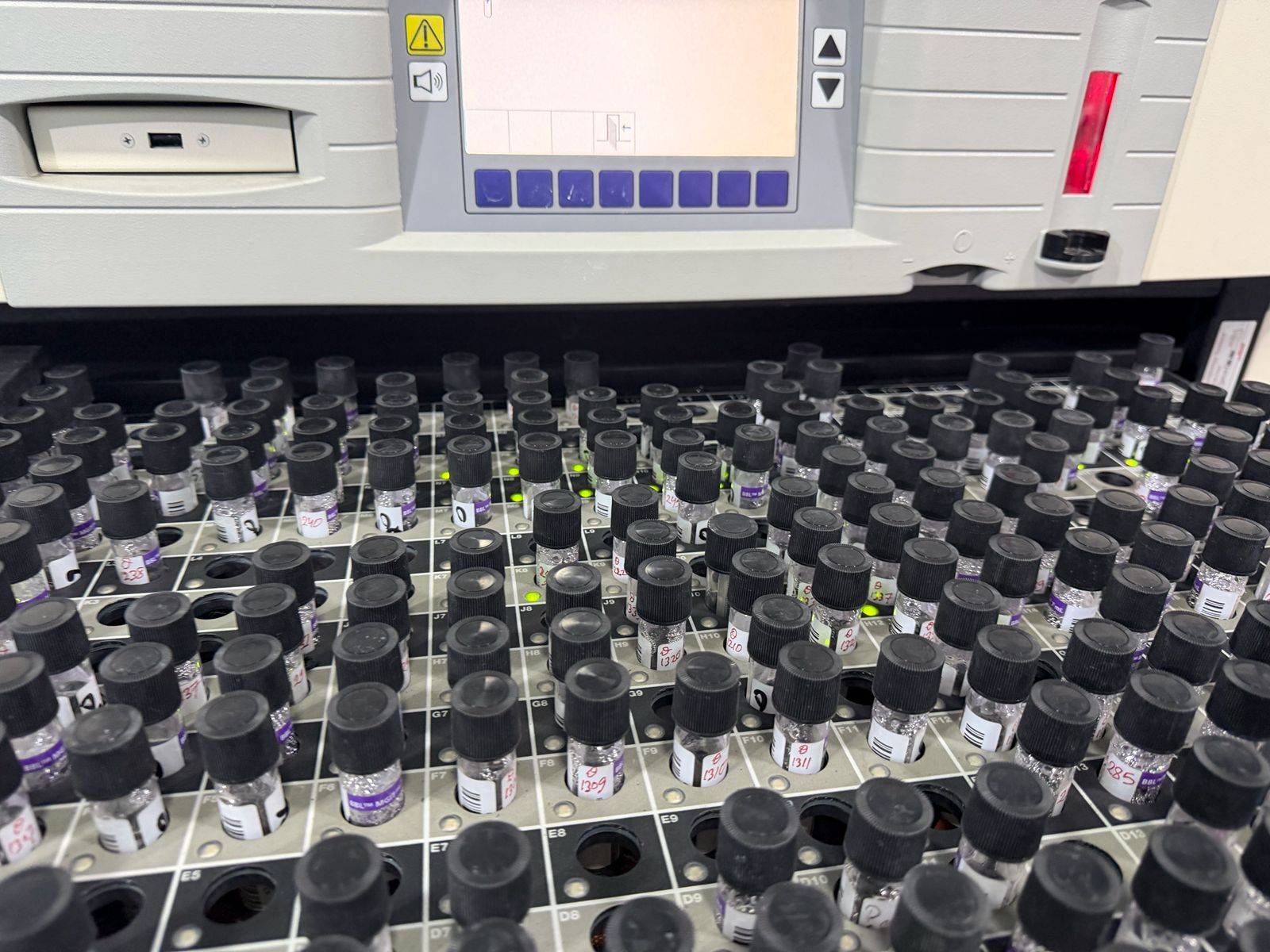
Phenotypic drug susceptibility testing (DST) of Mycobacterium tuberculosis using the BACTEC MGIT 960 system

Introduction Second-line drug susceptibility testing (SL-DST) for tuberculosis is a crucial laboratory procedure designed to detect resistance to anti-TB drugs used when first-line treatment fails (i.e., multidrug-resistant TB – MDR-TB).  Principle SL-DST measures the susceptibility of Mycobacterium tuberculosis to specific agents by determining the Critical …

Read more

Red Sore on Inner Lip: Common Oral Conditions and Common Care Options

Red Sore on Inner Lip

Red Sore on Inner Lip The image shows a red, oval lesion on the inner lower lip with a small white center, surrounded by an area of inflammation. Common Oral Conditions This visual description is consistent with common oral conditions such as: Common Care Options …

Read more

Xpert MTB/RIF: Introduction, Principle, Procedure, Result-Interpretation, Uses, and Keynotes

GeneXpert® Xpert® MTBRIF Test Result- MTB Detected (Very Low) and Rifampicin Resistance Not Detected

Introduction The Xpert MTB/RIF assay is an automated, cartridge-based molecular test used to detect Mycobacterium tuberculosis (MTB) and rifampicin (RIF) resistance, the most potent first-line anti-TB drug. Endorsed by the WHO in 2010, the Xpert MTB/RIF assay revolutionized TB diagnosis by providing results in less than two …

Read more

Bacterial Load (Decoding the CFU): Introduction, Ranges, Application, and Keynotes

Bacterial Count in a Colony Forming Unit (CFU)

Introduction of Bacterial Load (Decoding the CFU) Bacterial load, measured in Colony-Forming Units (CFU), is a fundamental concept in microbiology used to estimate the number of viable (living) microorganisms in a sample. Unlike total cell counts that include dead bacteria, the CFU method only counts …

Read more

Xpert MTB/RIF Ultra: Introduction, Principle, Procedure, Result-Interpretation, Uses, and Keynotes

GeneXpert Dx System software interface displaying a completed diagnostic result for an Xpert MTB-RIF Ultra assay

Introduction Xpert MTB/RIF Ultra is an automated diagnostic test designed for the rapid and simultaneous detection of Mycobacterium tuberculosis (MTB) and resistance to rifampin (RIF). It is a second-generation assay developed by Cepheid to provide significantly higher sensitivity than the original Xpert MTB/RIF, particularly for …

Read more

Contamination in L-J Media: Introduction, Common Contaminant, Identification clues, Minimization tricks, and Keynotes 

Advanced Fungal Contamination and Decolorization of L-J Medium: Fungal Overgrowth-The slants show dense, white, "cotton-like" mycelial growth. This morphology is a classic indicator of contamination by environmental molds, such as Aspergillus or Penicillium. Media Alteration- There is a total loss of the characteristic malachite green color. The medium has turned pale yellow or colorless, suggesting a significant shift in pH or the enzymatic degradation of the selective agent by the contaminants. Diagnostic Interpretation-The rapid growth of these organisms has completely masked any potential slow-growing Mycobacterium tuberculosis. These cultures are invalid and must be recorded as contaminated.

Introduction Lowenstein-Jensen (L-J) medium is the gold standard for the cultivation of Mycobacterium tuberculosis. However, because it is an egg-based, non-selective (or semi-selective) medium that requires long incubation periods, it is highly susceptible to contamination. L-J medium is rich in nutrients (eggs, glycerol, potato flour), …

Read more

Xpert MTB-XDR: Introduction, Principle, Procedure, Result-Interpretation, Uses, and Keynotes

The image shows a GeneXpert software interface displaying an Xpert MTB/XDR test result with M. tuberculosis (MTB) detected and a specific drug resistance profile.Key Findings:MTB DETECTED: Positive for Mycobacterium tuberculosis complex.Low FLQ Resistance DETECTED: Indicates low-level resistance to fluoroquinolones (e.g., levofloxacin or moxifloxacin).Resistance NOT DETECTED: No mutations were found for isoniazid (INH), amikacin (AMK), kanamycin (KAN), capreomycin (CAP), or ethionamide (ETH).This result is consistent with a pre-XDR-TB diagnosis, as there is resistance to fluoroquinolones but susceptibility to second-line injectables.

Introduction The Xpert MTB/XDR assay is an advanced molecular diagnostic tool designed by Cepheid to rapidly detect Mycobacterium tuberculosis complex (MTBC) and its resistance to multiple first- and second-line drugs. Launched in 2021, it is categorized as a “low complexity” automated nucleic acid amplification test …

Read more