Anemometer: Introduction, Principle, Handling Procedure, Application, and Keynotes
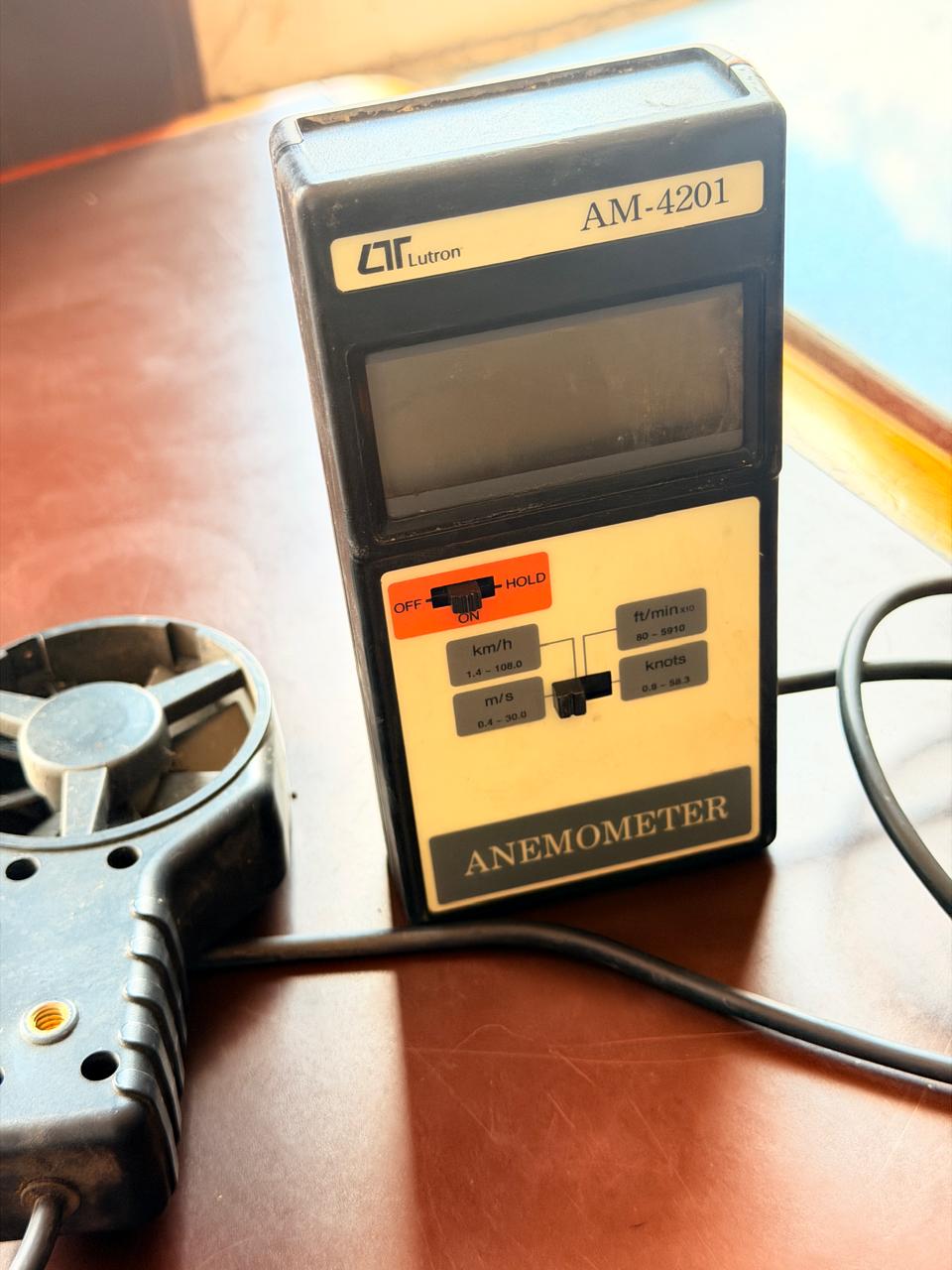
Introduction Principle Handling Procedure Application Keynotes Further Readings

This site is fully related to medical laboratory information for public and health care professionals.
Introduction Principle Handling Procedure Application Keynotes Further Readings
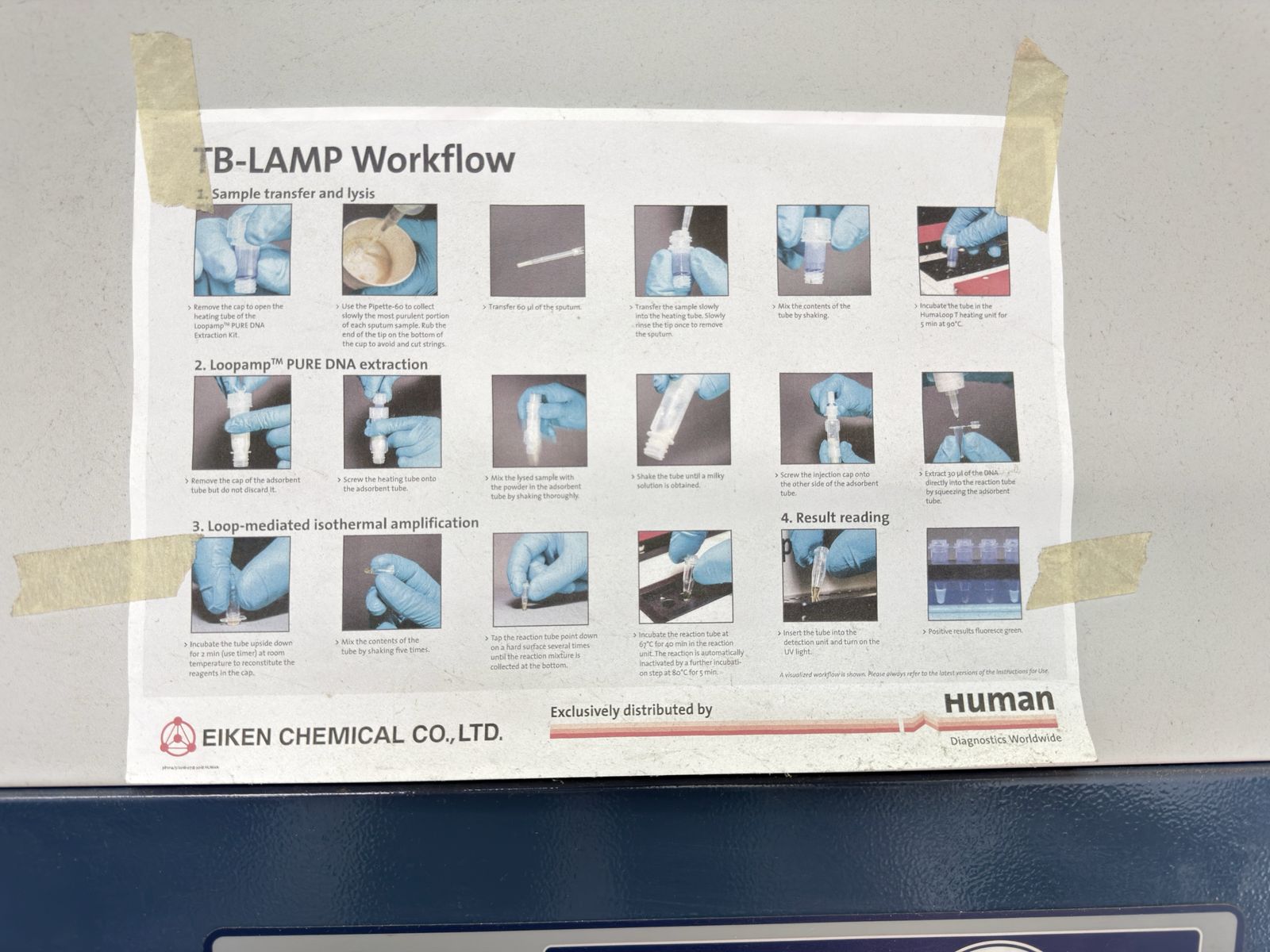
Introduction TB-LAMP (Tuberculosis Loop-Mediated Isothermal Amplification) is a manual, rapid molecular diagnostic test endorsed by the World Health Organization (WHO) to detect the Mycobacterium tuberculosis complex (MTBC) in sputum samples. It serves as a highly sensitive alternative to traditional sputum smear microscopy, particularly optimized for …
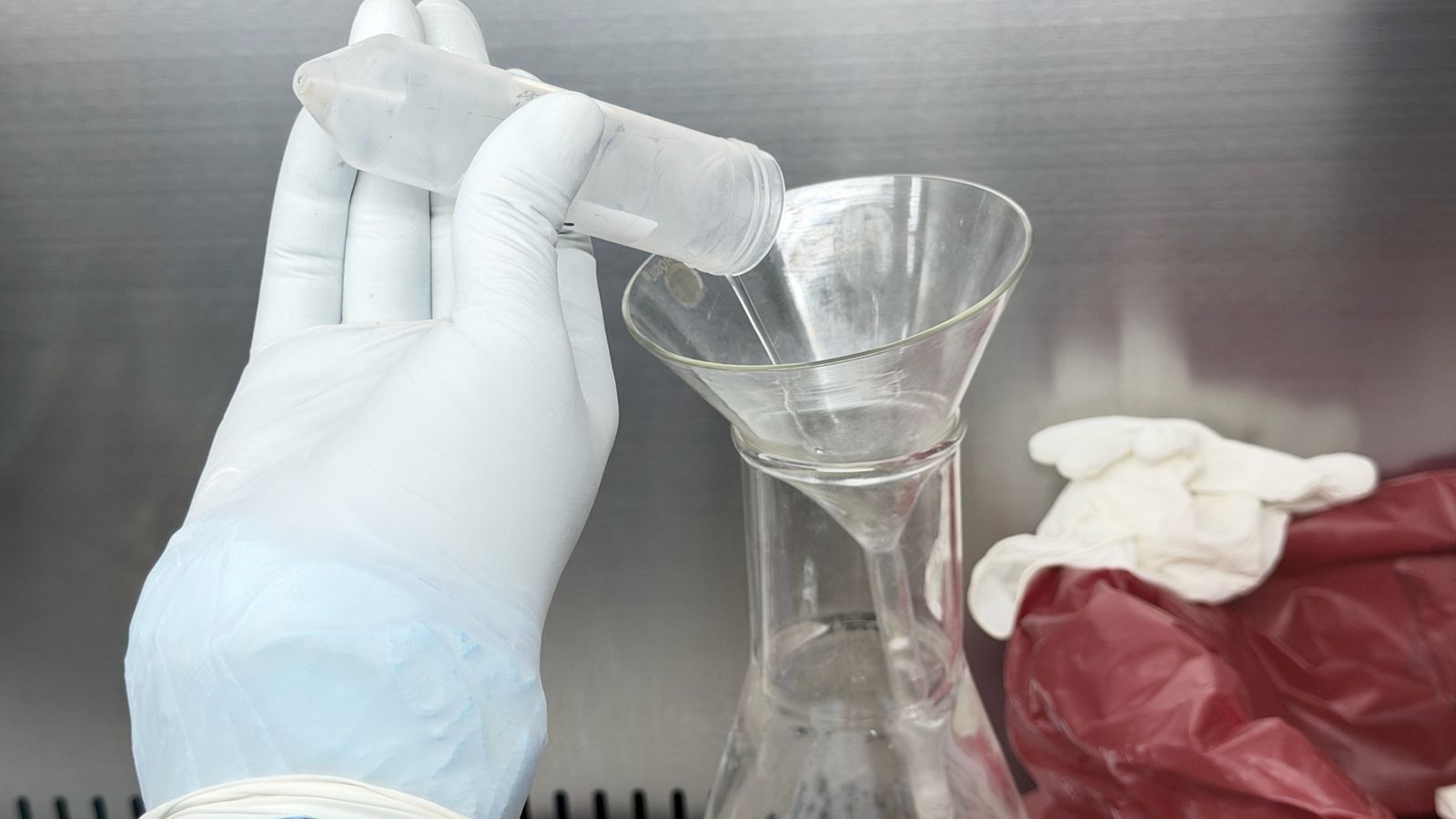
Introduction The NALC-NaOH (N-acetyl-L-cysteine–sodium hydroxide) method is the gold standard for processing clinical specimens in mycobacteriology laboratories. It prepares contaminated samples (like sputum) for successful culture on liquid media (such as the BD BACTEC™ MGIT™ 960) and solid media. Clinical samples from non-sterile sites naturally …
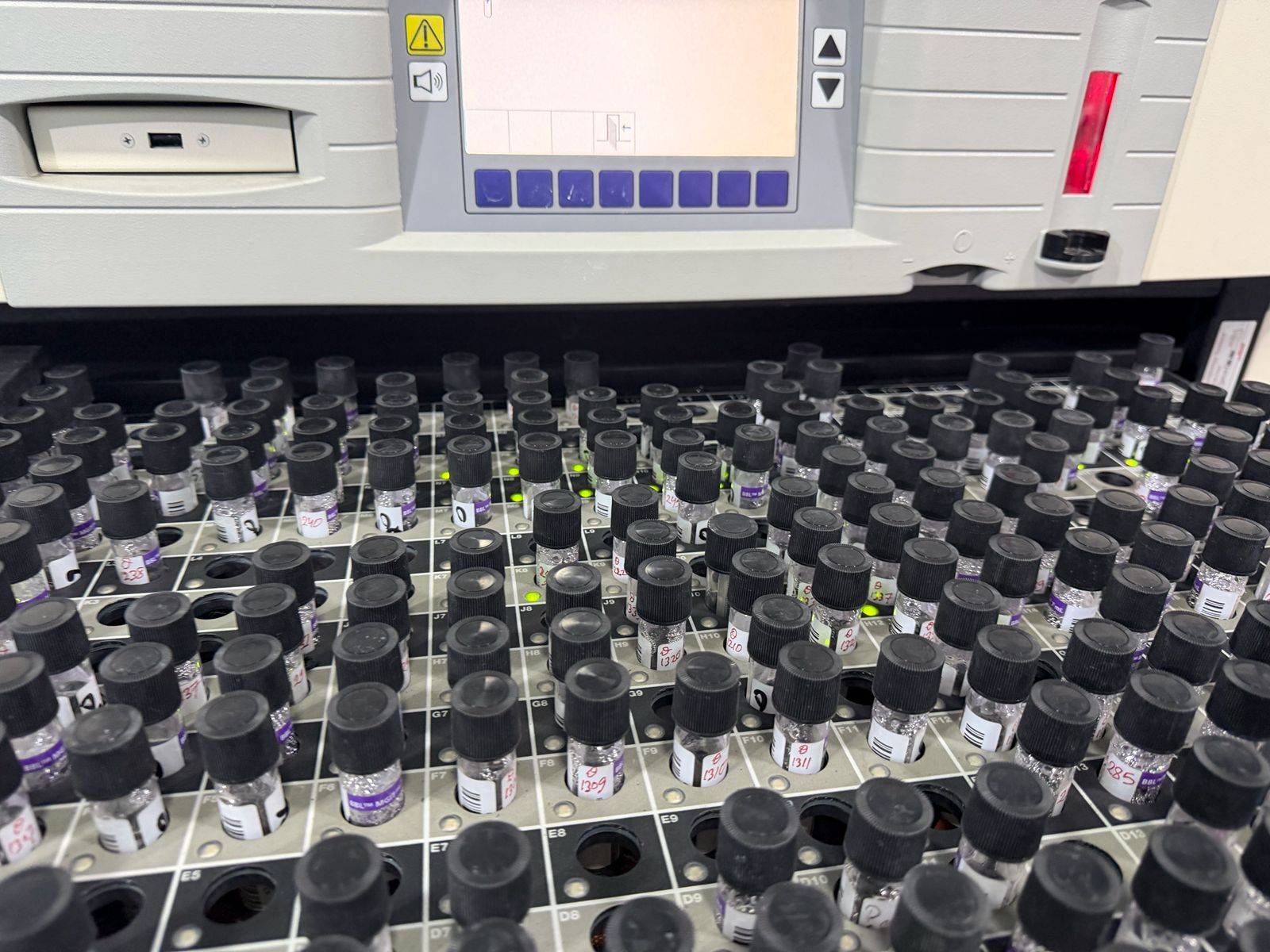
Introduction The BD BACTEC™ MGIT™ 960 (Mycobacteria Growth Indicator Tube) is a fully automated, high-volume culture system designed for the rapid detection of mycobacteria and subsequent drug susceptibility testing (DST). Developed by Becton Dickinson (BD), this nonradiometric system addresses the critical clinical need for accelerated …
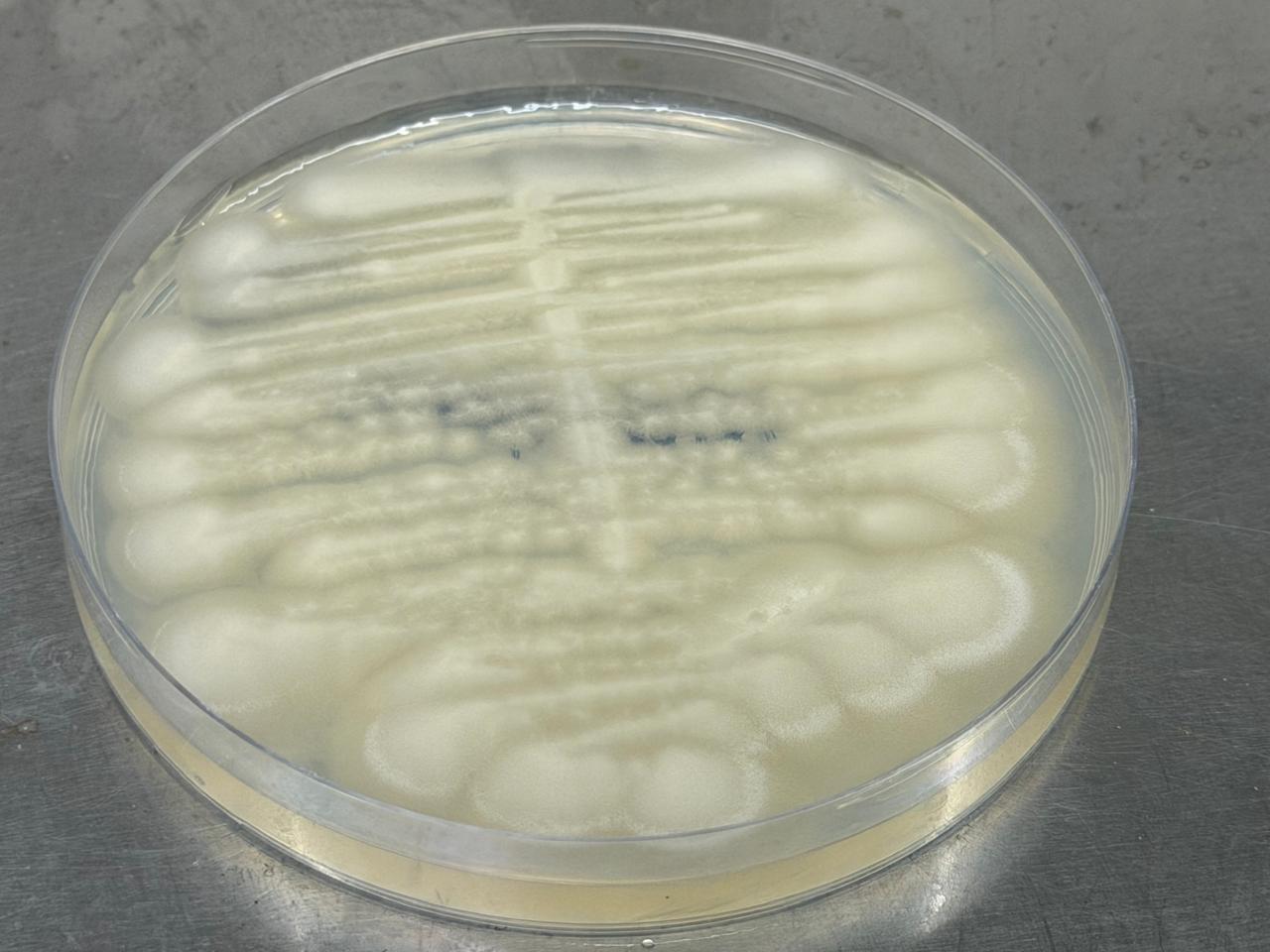
Introduction Trichosporon is a genus of anamorphic, yeast-like basidiomycetous fungi widely distributed in nature, particularly in tropical and temperate regions. First identified by Beigel in 1865, it commonly exists as a saprophytic organism in soil, water, plants, and animal droppings. In humans, it is a …
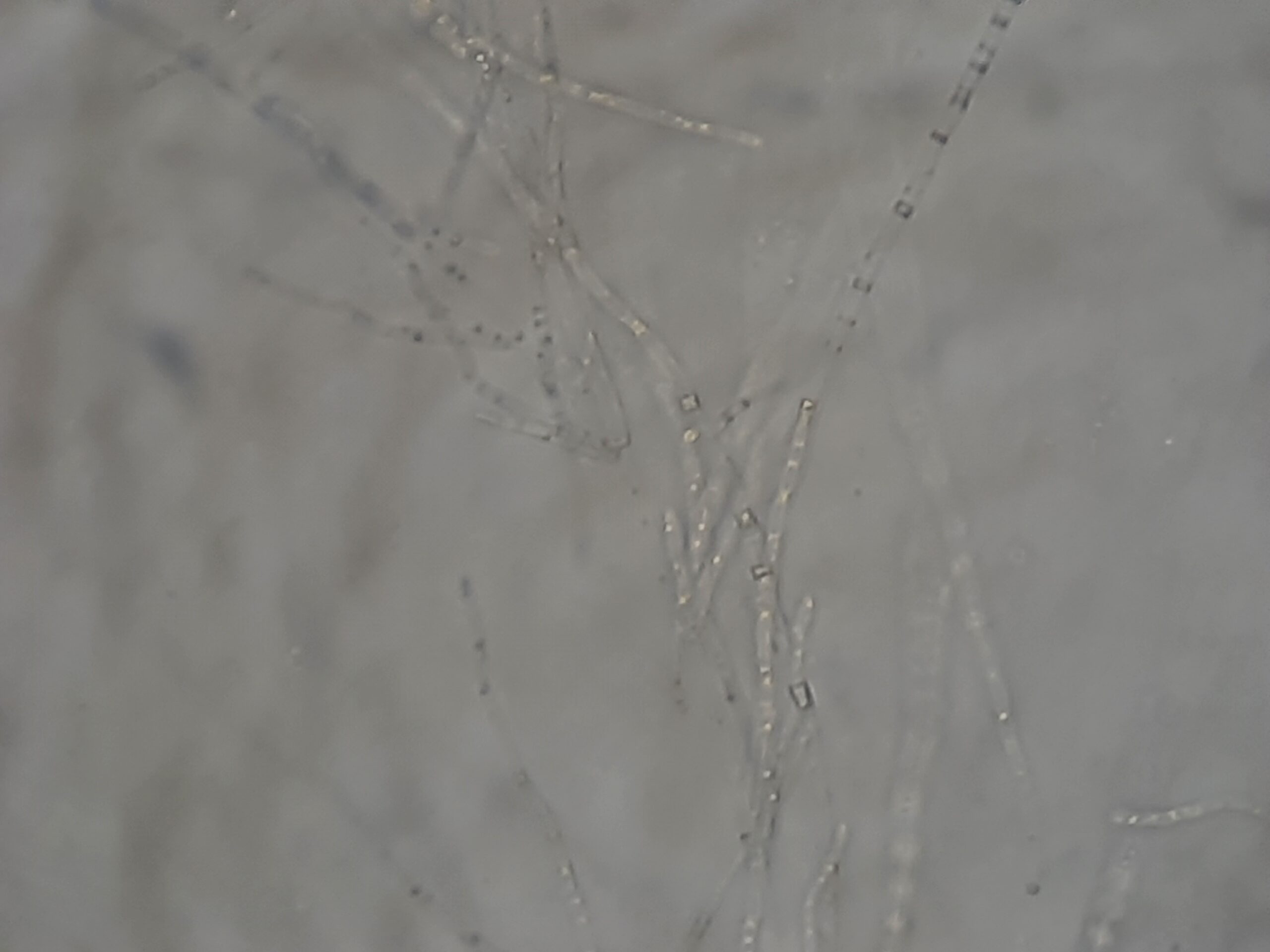
Introduction Saprochaete capitata is an emerging opportunistic fungal pathogen that causes severe, frequently fatal systemic infections in profoundly immunocompromised individuals. It is notorious for its intrinsic resistance to echinocandins and high resistance to fluconazole, which often results in breakthrough fungemia during standard empirical antifungal therapy. …
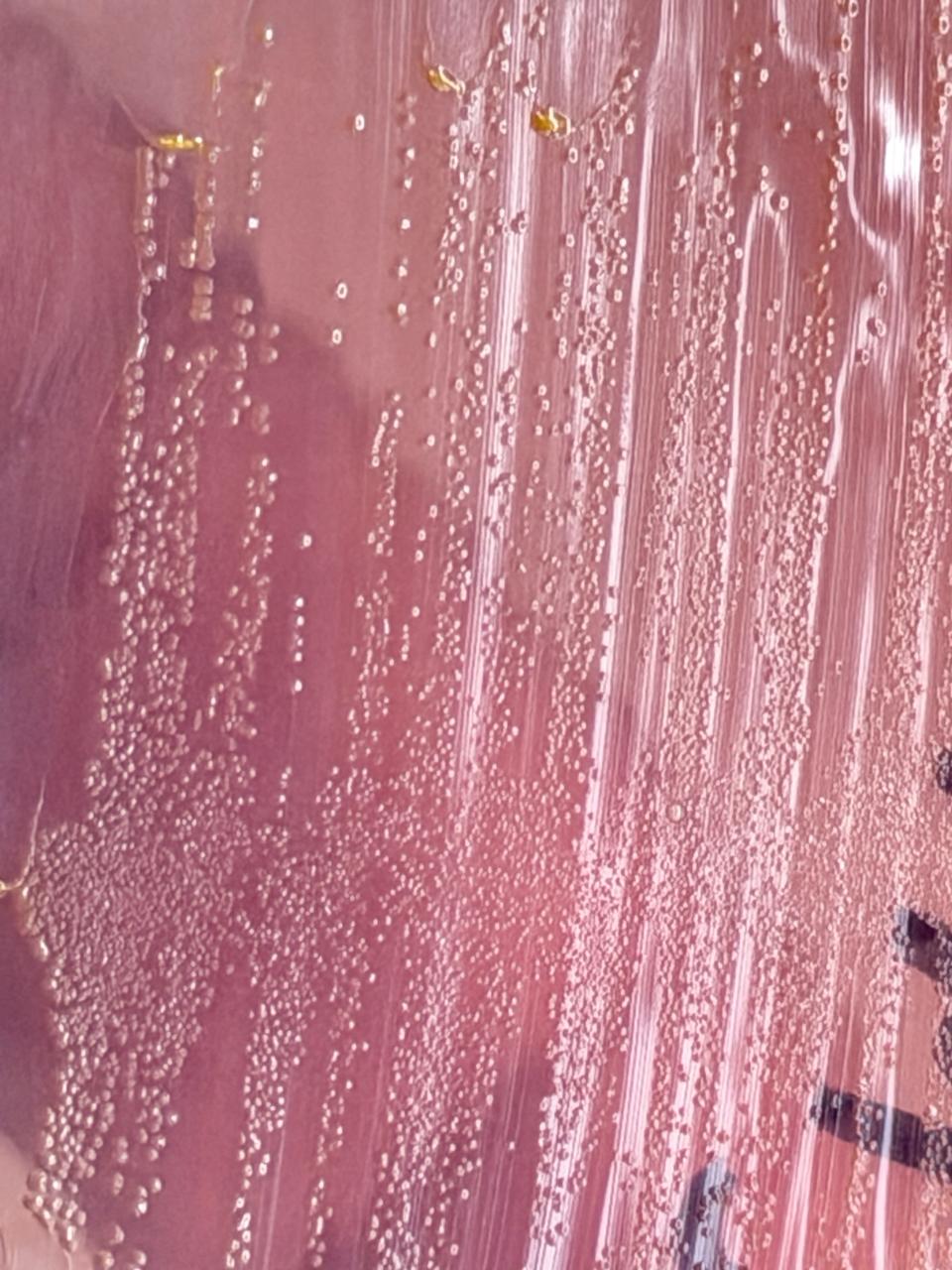
Introduction Sphingomonas paucimobilis (formerly classified as Pseudomonas paucimobilis) is a strictly aerobic, non-fermenting, Gram-negative bacillus. It is an environmental oligotroph found widely in soil and water systems. It serves as a stealthy opportunistic pathogen in clinical settings. It can survive in nutrient-poor conditions and form …
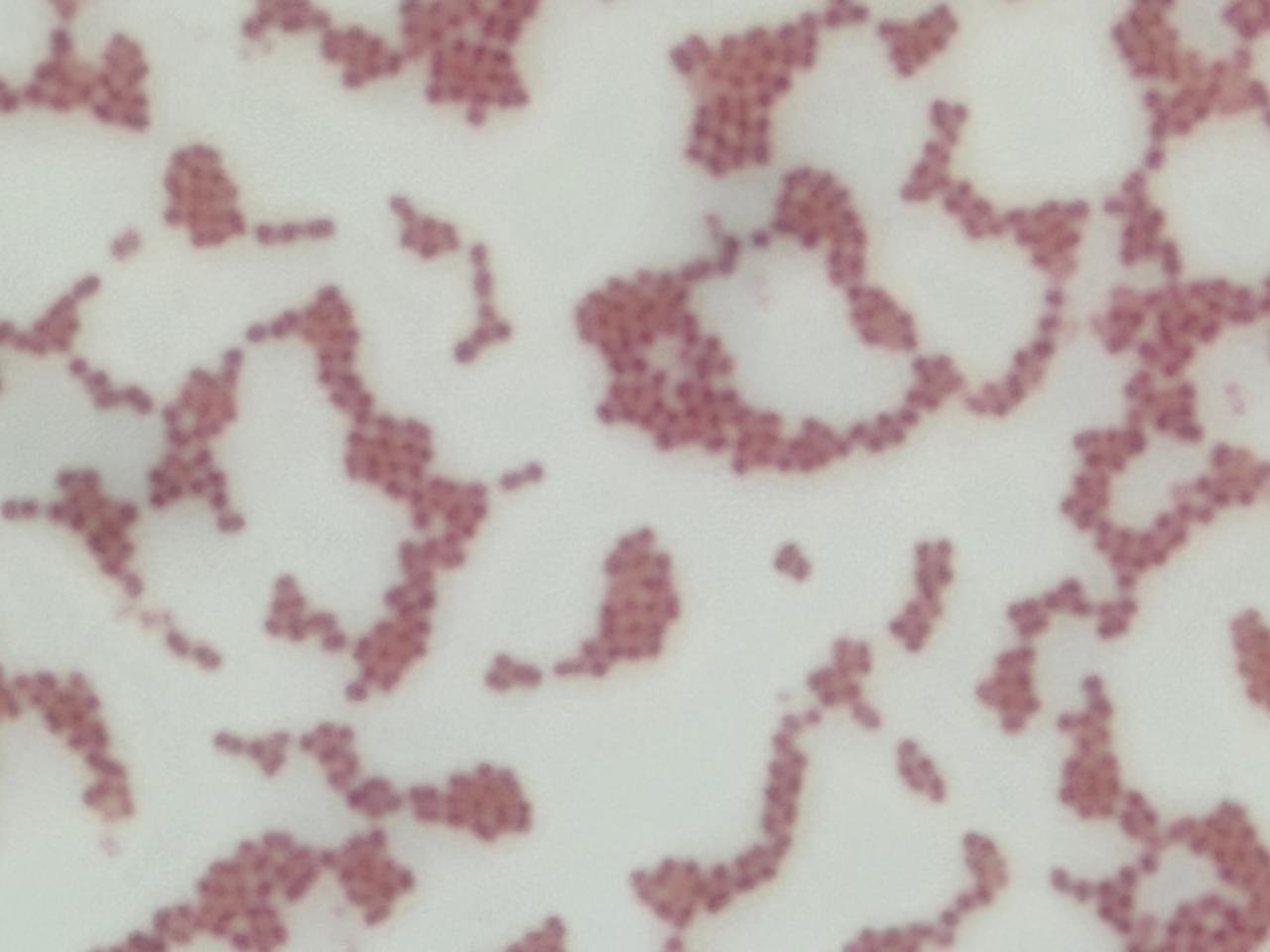
Introduction The Acinetobacter baumannii complex (ABC) is a group of highly resilient, opportunistic Gram-negative bacteria that pose a critical threat in healthcare settings. Classified as an “ESKAPE” pathogen, it is a leading cause of severe hospital-acquired (nosocomial) infections. The World Health Organization (WHO) categorizes carbapenem-resistant …