HVAC Filters-Introduction, Principle, Working Mechanism, Application, and Keynotes

Introduction to HVAC Filters Air filters act as the first line of defense in an HVAC system. As air continuously circulates through a building, it carries invisible particulate matter, including dust, pollen, pet dander, mold spores, and bacteria. Without an air filter, these particles settle …

Read more

Air Handling Unit (AHU)-Introduction, Principle, Working Mechanism, Application, and Keynotes

Introduction An Air Handling Unit (AHU) is the heart of a building’s Heating, Ventilation, and Air Conditioning (HVAC) system. It regulates and circulates air to maintain comfortable indoor environments. An AHU is a large metal box containing various components to condition indoor air. It collects …

Read more

HEPA Vs ULPA Filters: Introduction, Comparison, and Keynotes

HEPA filter (High-Efficiency Particulate Air) present in this biosafety cabinet

Introduction to the Filters Direct Comparison The critical trade-offs between HEPA and ULPA filtration systems are outlined below: Feature HEPA Filters ULPA Filters Efficiency Rating 99.97%efficiency 99.999%efficiency Target Particle Size 0.3 µm (Most Penetrating Particle Size) 0.12 µm or larger Airflow Resistance Lower static pressure …

Read more

Laminar Air Flow (LAF)Hood/Cabinet: Introduction, Principle, Parts, Handling Procedure, Uses, and Keynotes

Laminar Air Flow (LAF)Hood or Cabinet with A sleek control panel and power switch mounted on a white wall above a textured gray backsplash

Introduction A Laminar Air Flow cabinet creates a sterile work environment by capturing dust and microbes through a filtration system and exhausting the air across the work surface in a uniform, unidirectional stream. It provides product protection but does not protect the operator from hazardous …

Read more

Colon Cancer: An Overview of Introduction, Types, Pathogenesis,Lab Diagnosis, Treatment, Prevention, and Keynotes

Introduction Colon cancer is a highly prevalent gastrointestinal malignancy originating from the inner lining (mucosal epithelium) of the large intestine. It ranks as the second leading cause of cancer-related deaths worldwide. While historically more common in older individuals, the incidence has steadily risen in younger …

Read more

Mycobacteria Growth Indicator Tube (MGIT) Culture Outcomes: Introduction, Identification, Causes of Contamination, and Keynotes

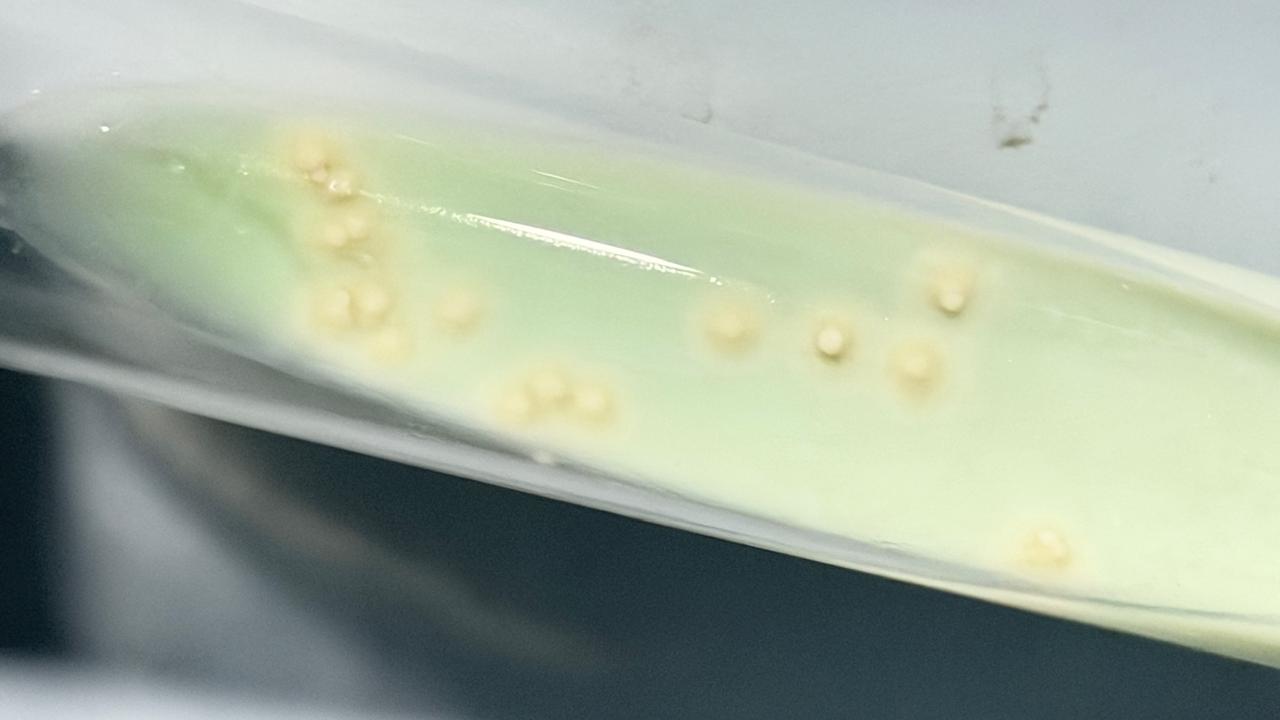
Mycobacteria Growth Indicator Tube (MGIT)-Positive

Introduction The Mycobacteria Growth Indicator Tube (MGIT) system is a high-throughput, automated method optimized for the rapid isolation and detection of Mycobacterium tuberculosis complex and non-tuberculous mycobacteria (NTM).  [Initial Stage]     Oxygen is high —–> Quenches sensor —–> NO FLUORESCENCE [Bacterial Growth]  Oxygen consumed —-> Frees …

Read more

Leukemia/Leukaemia: An Overview of Introduction, Types, Pathogenesis,Lab Diagnosis, Treatment, Prevention, and Keynotes

Introduction Leukemia (also spelled leukaemia) is a group of malignant hematological cancers originating in the bone marrow, characterized by the rapid, uncontrolled proliferation of abnormal, non-functional white blood cells (leukocytes). As these malignant cells accumulate, they crowd out healthy red blood cells, functional white blood …

Read more

Endometrial Cancer: An Overview of Introduction, Types, Pathogenesis,Lab Diagnosis, Treatment, Prevention, and Keynotes

Introduction Endometrial cancer is a malignancy that originates in the endometrium, the inner epithelial lining of the uterus. It stands as the most common gynecological cancer in developed countries and primarily affects postmenopausal women, with a median age of diagnosis around 62–63 years. The most …

Read more