Acinetobacter baumannii complex-Introduction, Morphology, Pathogenicity, Lab Diagnosis, Treatment, Prevention, and Keynotes

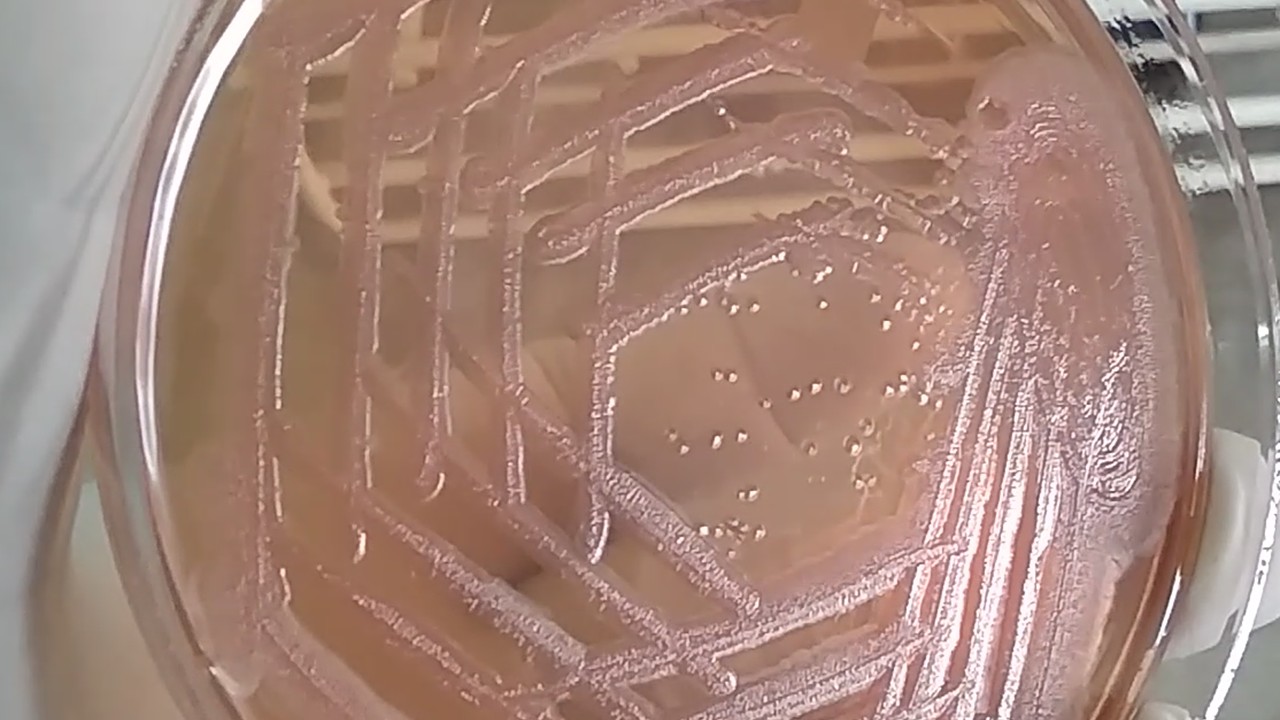
Acinetobacter baumannii complex (ABC) colony morphology on MacConkey agar after 48 hours of incubation-Showing mucoid lactose-fermenting colonies

Introduction Acinetobacter baumannii complex is a group of Gram-negative, non-fermenting bacilli known for causing healthcare-associated infections. It includes closely related species like A. baumannii, A. pittii, A. nosocomialis, and A. calcoaceticus. This complex thrives in hospital environments and poses a serious challenge due to its …

Read more

Proteus hauseri-Introduction, Morphology, Pathogenicity, Lab Diagnosis, Treatment, Prevention, and Keynotes

Proteus hauseri colony morphology on MacConkey agar of urine culture

Introduction Proteus hauseri is a Gram-negative, facultatively anaerobic bacillus in the Enterobacteriaceae family. It is closely related to other Proteus species and commonly found in soil, water, and the human gastrointestinal tract. Though less prevalent than P. mirabilis, P. hauseri can cause opportunistic infections—especially in …

Read more

Enterobacter cloacae complex: Introduction, Morphology, Pathogenicity, Lab Diagnosis, Treatment, Prevention, and Keynotes

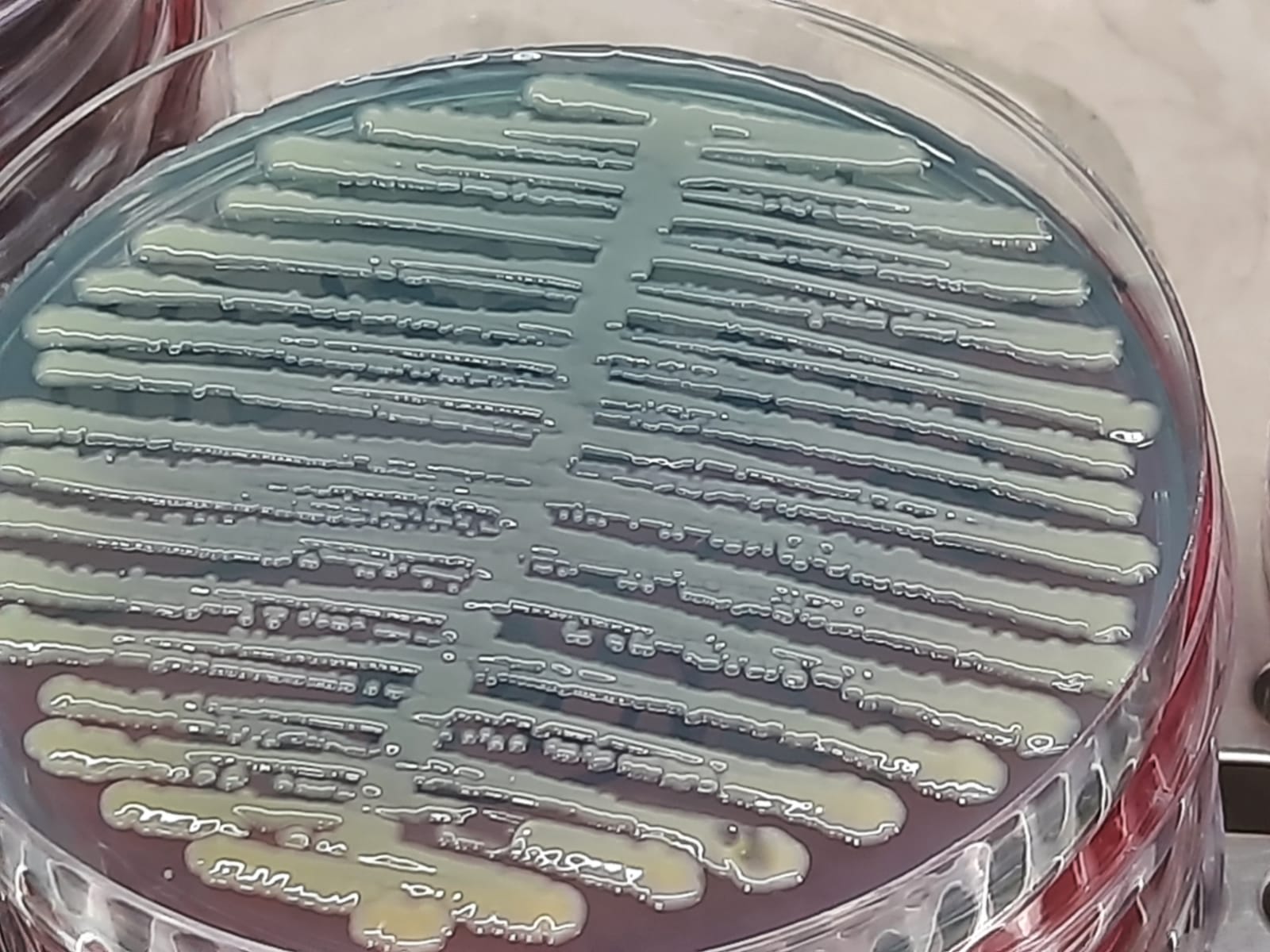
Enterobacter cloacae complex (ECC) colony morphology on CLED agar

Introduction The Enterobacter cloacae complex (ECC) is a group of closely related bacterial species, including Enterobacter cloacae, Enterobacter hormaechei, and others, that can cause a variety of infections, particularly in healthcare settings. ECC is a significant cause of nosocomial (hospital-acquired) infections, including bloodstream infections, pneumonia, and urinary …

Read more

Klebsiella ozaenae : Introduction, Morphology, Pathogenicity, Lab Diagnosis, Treatment, Prevention, and Keynotes

Klebsiella ozaenae colony morphology on CLED agar

Introduction of Klebsiella ozaenae Klebsiella pneumoniae subspecies ozaenae (Klebsiella ozaenae) is a Gram-negative bacterium (GNB), primarily associated with atrophic rhinitis (ozena), a chronic condition of the nasal cavity characterized by tissue thinning and unpleasant odor. It is also known as a normal inhabitant of the oral and …

Read more

Pseudomonas fluorescens: Introduction, Morphology, Pathogenicity, Lab Diagnosis, Treatment, Prevention, and Keynotes

Gram negative rods (GNRs) of Pseudomonas fluorescens in Gram staining of culture

Introduction Pseudomonas fluorescens inhabits diverse environments and thrives in soil and water. Moreover, it plays a significant role in nutrient cycling. The bacterium exists in numerous ecological niches and adapts quickly to changes. Furthermore, researchers study it for its beneficial and harmful properties. It interacts …

Read more

MDR ESKAPE-Introduction, Group of Pathogens, Clinical Importance, and Keynotes

Mucoid -lactose fermenting (MLF) colony of Klebsiella pneumonie on MacConkey agar of blood culture

Introduction MDR ESKAPE refers to a group of bacteria that resist multiple antibiotics. Firstly, these pathogens escape the effects of standard treatments. Moreover, they spread easily in healthcare settings. Additionally, they cause serious hospital-acquired infections. Consequently, clinicians face challenges treating these infections. Furthermore, MDR ESKAPE …

Read more

Serratia odorifera-Introduction, Morphology, Pathogenicity, Lab Diagnosis, Treatment, Prevention, and Keynotes

Serratia odorifera-Introduction, Morphology, Pathogenicity, Lab Diagnosis, Treatment, Prevention, and Keynotes

Introduction Serratia odorifera is a Gram-negative bacterium from the Enterobacteriaceae family. Moreover, it inhabits environmental and clinical settings. Additionally, it shows potential as an opportunistic pathogen. Furthermore, it often causes nosocomial infections in vulnerable patients. Morphology The bacterium appears as a short, rod-shaped cell. It …

Read more

Foley Catheter Culture and Sensitivity- Introduction, Report, Clinical Significance, Common Pathogens, and Keynotes

Foley Catheter Culture and Sensitivity- Introduction, Report, Clinical Significance, Common Pathogens, and Keynotes

Introduction The Foley catheter culture and sensitivity test identifies bacteria from catheterized urine samples. Additionally, it detects infections linked to catheter use. Furthermore, clinicians order the test for precise diagnosis. Moreover, the test distinguishes contamination from true infection. Consequently, it improves patient management. Report The …

Read more