Serpentine Cord: Introdction, Clinical Significance, and Keynotes
Introduction Clinical Significance Keynotes Further Readings
Introduction Lactococcus garvieae is a Gram-positive, catalase-negative, non-spore-forming coccus, typically arranged in pairs or short chains. It belongs to the lactic acid bacteria group and is well known as a major pathogen in fish (lactococcosis). In humans, it is an emerging opportunistic pathogen, increasingly recognized …
Introduction Sabouraud Dextrose Agar (SDA) is a commonly used culture medium in clinical mycology laboratories for the isolation of fungi, particularly yeasts and molds. Due to its acidic pH and high dextrose concentration, SDA favors fungal growth; however, bacteria and yeasts may also grow, especially …
Introduction Streptococcus agalactiae, also known as Group B Streptococcus (GBS), is a Gram-positive, beta-hemolytic coccus arranged in chains. It is a major cause of neonatal sepsis, meningitis, and infections in pregnant women, and an emerging pathogen in immunocompromised adults. GBS commonly colonizes the gastrointestinal and …
Introduction A Bio-Incubator is a laboratory device designed to provide a controlled environment of temperature, humidity, and time for the growth and maintenance of microbial cultures, cell lines, and biological reactions. It is an essential tool in microbiology, molecular biology, biotechnology, and clinical diagnostics.By maintaining …
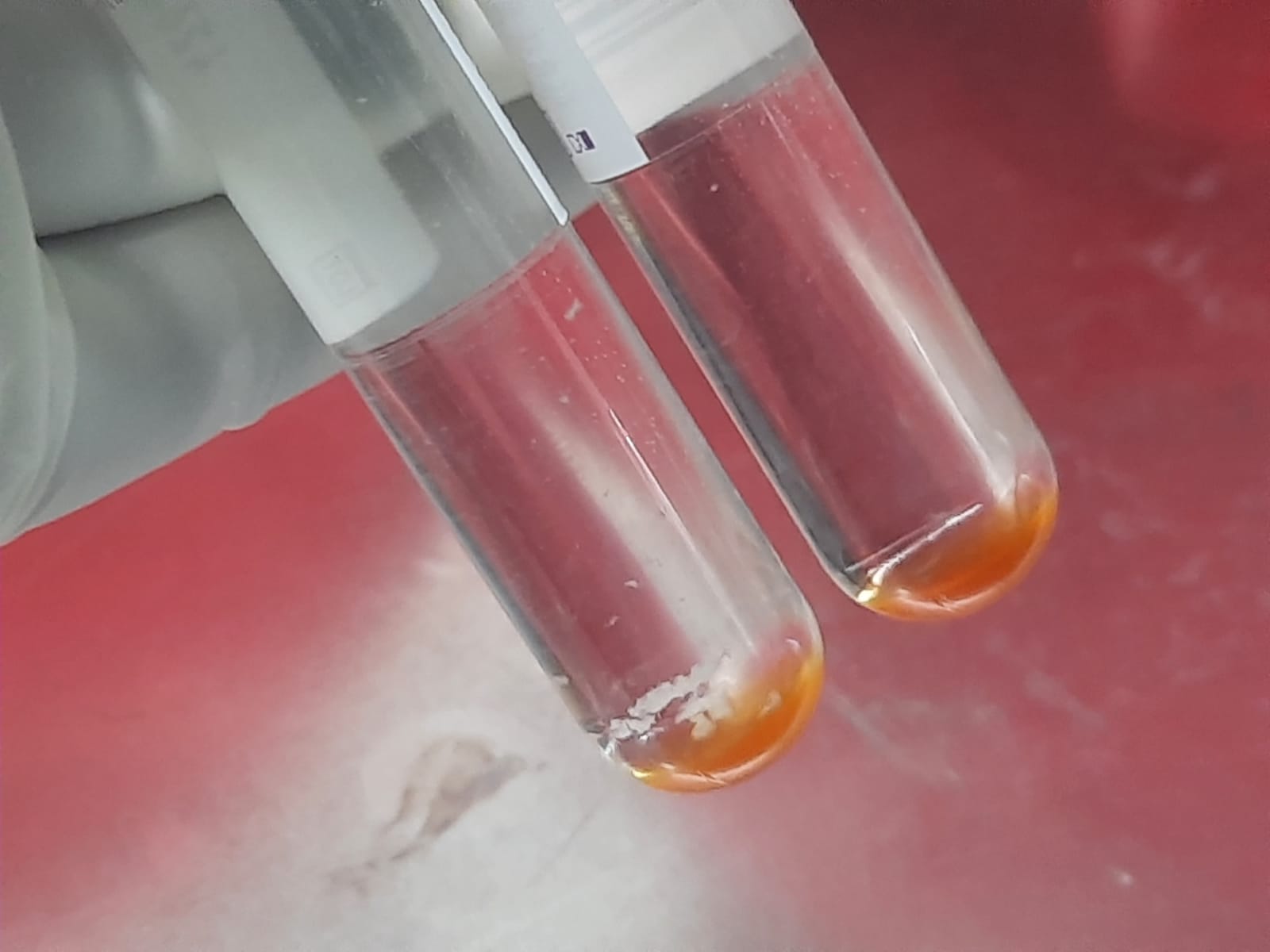
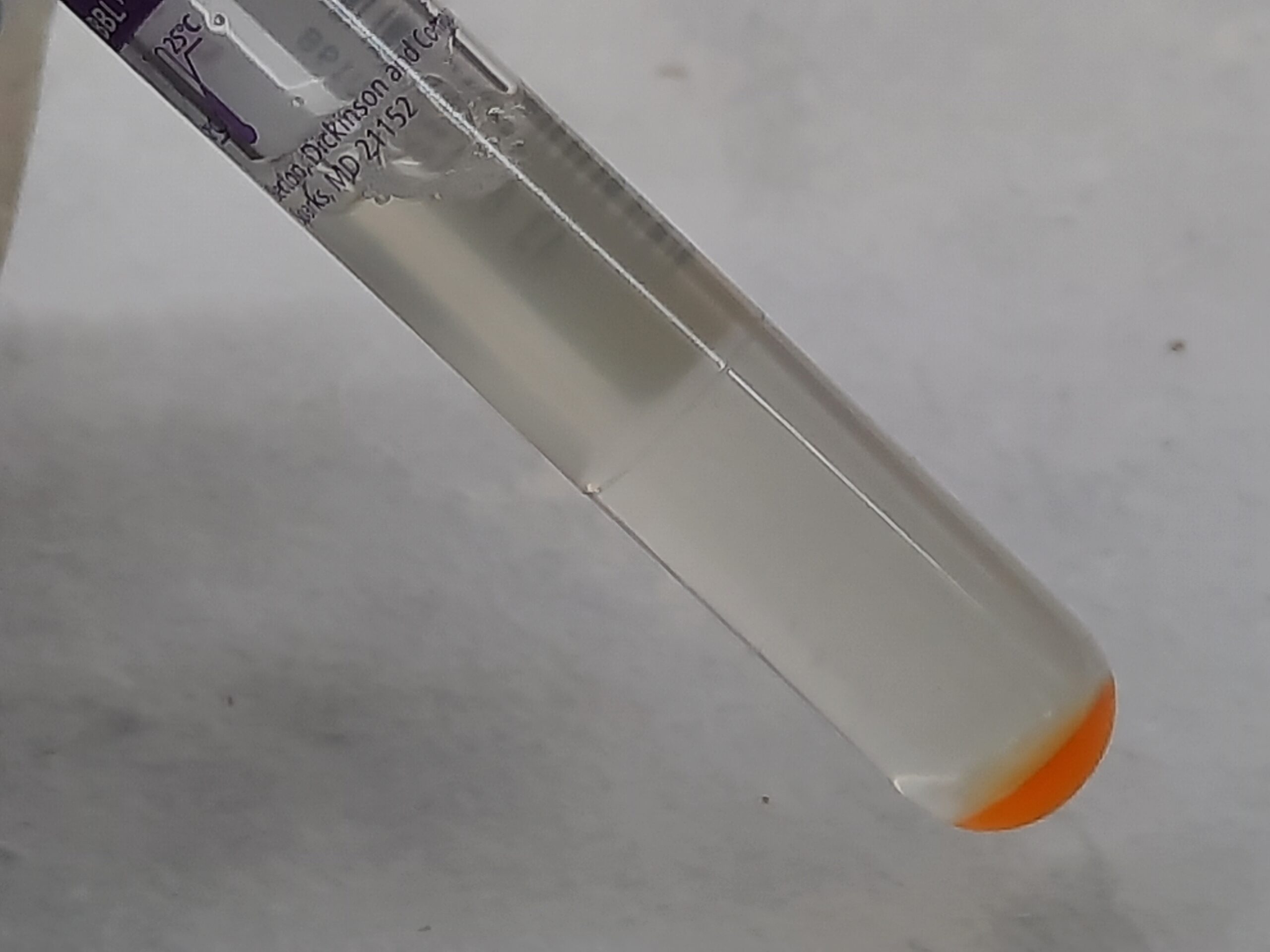
Introduction Bionova BT20 Biological Indicators (BIs) are specialized tools used to verify the efficiency of steam sterilization (autoclaving) in laboratories, hospitals, and industrial settings. Each indicator vial contains a defined population of Geobacillus stearothermophilus spores, known for their high resistance to moist heat. During an …
Introduction Bronchoalveolar lavage (BAL) is a diagnostic procedure used to collect specimens from the lower respiratory tract, particularly from the alveolar spaces. It is performed by instilling sterile saline into a segment of the lung via a bronchoscope and then aspirating it back. Gram staining …
Introduction Direct microscopic examination is one of the most rapid and inexpensive diagnostic methods for detecting fungal elements in clinical specimens. Potassium hydroxide (KOH) smear is a routine technique in mycology that helps visualize fungal structures such as hyphae, yeast cells, and sclerotic bodies directly …